Utah lawmakers weigh tighter license plate reader rules after local data-sharing concerns

Proposed 2027 legislation comes months after TownLift reporting showed Park City and Summit County plate data was accessible through a national law enforcement network.
PARK CITY, Utah — Utah lawmakers are considering tighter rules for automatic license plate readers ahead of the 2027 legislative session, months after TownLift reported that vehicle-location data collected in Park City and Summit County was shared through a national law enforcement network that included federal immigration agencies.
The Legislature’s Law Enforcement and Criminal Justice Interim Committee has opened a bill file titled “Law Enforcement Technology Amendments” for the 2027 General Session, according to legislative records. The bill has not yet been introduced or assigned a bill number.
The Salt Lake Tribune reported Thursday that lawmakers are considering a broader legislative package that could restrict access to license plate data, require faster deletion of stored records, and create additional avenues for people to challenge misuse of their information.
The proposal follows months of debate in Utah over the rapidly expanding use of automatic license plate readers, or ALPRs, and questions about who can search the data they collect.
At a September meeting of the Law Enforcement and Criminal Justice Interim Committee, Sen. Calvin Musselman, R-West Haven, said lawmakers recognize both the technology’s public-safety value and privacy concerns.
“We recognize the value for law enforcement purposes,” Musselman said, according to Utah News Dispatch. “We can also recognize there’s some legitimate privacy concerns.”
Utah law currently limits searches of license plate databases to purposes including active criminal investigations, outstanding warrants, locating missing or endangered people, and finding stolen vehicles, according to Utah News Dispatch.
The Utah Law Enforcement Legislative Committee, which represents groups including police chiefs, sheriffs, peace officers, and prosecutors, has said it supports responsible use of the technology while strengthening safeguards.
“ULELC believes the responsible use of ALPR technology is not a choice between public safety and individual rights. Utah can protect both,” the group said in a statement submitted to lawmakers in September.
Local data reaches national network
The statewide discussion follows TownLift’s documentation that license plate information collected locally can travel beyond Park City and Summit County.
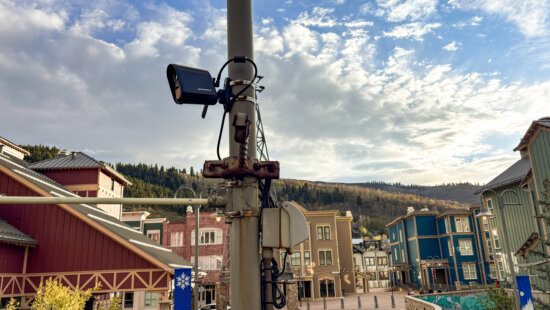
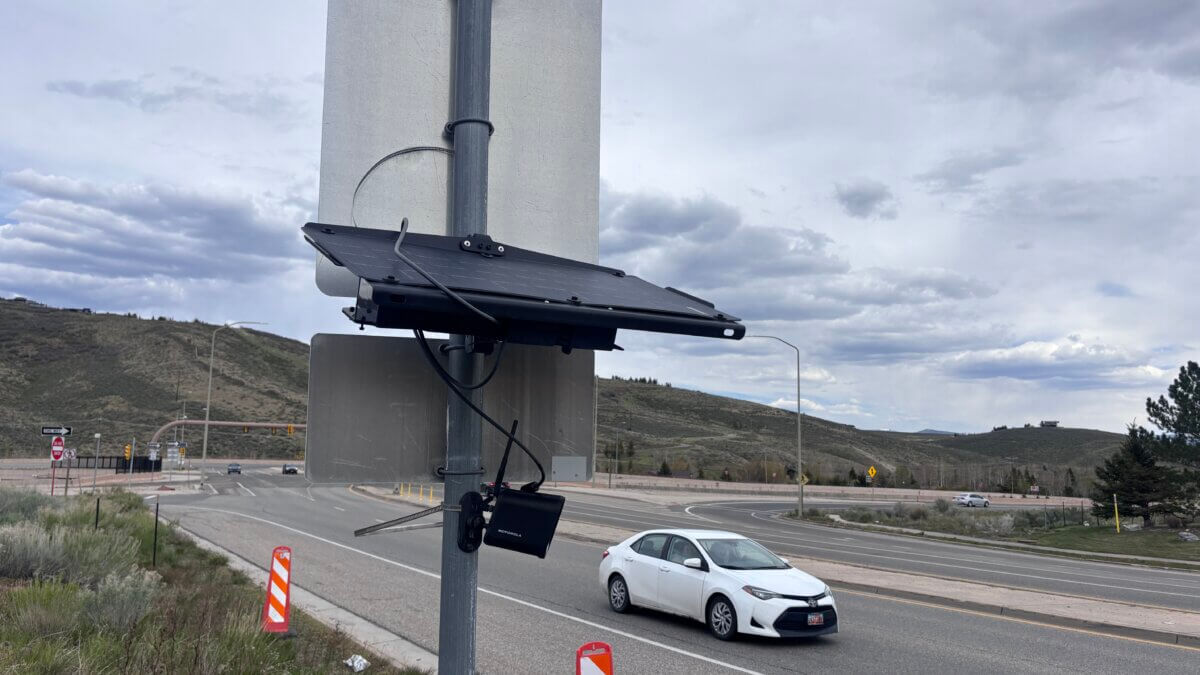
In May, TownLift identified more than a dozen Motorola Solutions Vigilant license plate readers along major local roadways and reported that Park City police and the Summit County Sheriff’s Office participate in a national data-sharing network.
Both agencies told TownLift at the time that they do not routinely monitor or oversee access by authorized outside agencies. U.S. Customs and Border Protection was among the agencies authorized to use the platform.
TownLift obtained additional records in July showing that Motorola VehicleManager data-sharing reports for both Park City police and the Sheriff’s Office listed more than 4,000 law enforcement agencies in the network.
Those included U.S. Immigration and Customs Enforcement’s Enforcement and Removal Operations, Homeland Security Investigations, U.S. Customs and Border Protection, and the U.S. Border Patrol.
The records did not show that ICE or any other outside agency had searched Park City or Summit County data in a particular case.
Summit County and Park City primarily use Motorola license plate reader technology, not Flock-branded cameras.
Summit County separately signed a $55,000 contract with Flock Group Inc. in September 2025 for Flock Nova, a data-integration platform designed to combine multiple public safety data sources into one searchable system. The contract documents listed Motorola ALPR data among the sources available for integration.
TownLift previously reported that neither Summit County’s license plate reader program nor the Flock Nova contract went to the County Council for a public vote or hearing. Councilor Canice Harte said at the time that he was unaware of any public outreach or council discussion regarding outside-agency access to locally collected plate data.
Law enforcement points to public safety uses
Local law enforcement officials have repeatedly defended license plate readers as an important investigative tool.
Summit County Sheriff’s Office spokesperson Sgt. Skyler Talbot has said deputies must have an open case and case number to conduct searches and that the technology can help locate missing or endangered people, identify suspects, and track vehicles connected to serious crimes.
In July, the Sheriff’s Office said plate reader technology helped deputies track a vehicle approximately 30 miles to South Jordan after a woman reported being followed and punched in the face in Summit County.
Park City Mayor Ryan Dickey has similarly pointed to cases in which license plate readers helped police locate suspects in an armed burglary and a reported knife threat. Dickey told TownLift in July that the city expects officers to use the technology only for lawful public safety purposes with appropriate privacy safeguards.
The technology has also drawn public opposition. In August, the Summit County Sheriff’s Office said two local Motorola plate readers had been intentionally damaged within four months, part of more than $10,000 in damage to multiple devices.
As lawmakers prepare for the 2027 session, the debate is increasingly shifting from whether police should use license plate readers to what limits should govern access, retention, sharing, and oversight of the data they collect.
The 2027 Utah Legislature convenes in January.


2266 E Garfield Avenue
Salt Lake City, UT 84108