Growth puts Snyderville Basin’s long-term water supply in focus

Officials say 5,000 acre-feet is reserved for future use, but bringing it from East Canyon could require a roughly $200 million project
SUMMIT COUNTY, Utah — As development increases pressure on Snyderville Basin water systems, local officials say the long-term question is not simply whether additional water exists, but how much it will cost to deliver it.
During an Oct. 21 Summit County Council discussion, water officials said demand that eventually exceeds the basin’s available surplus could trigger a major project to import water from East Canyon Reservoir.
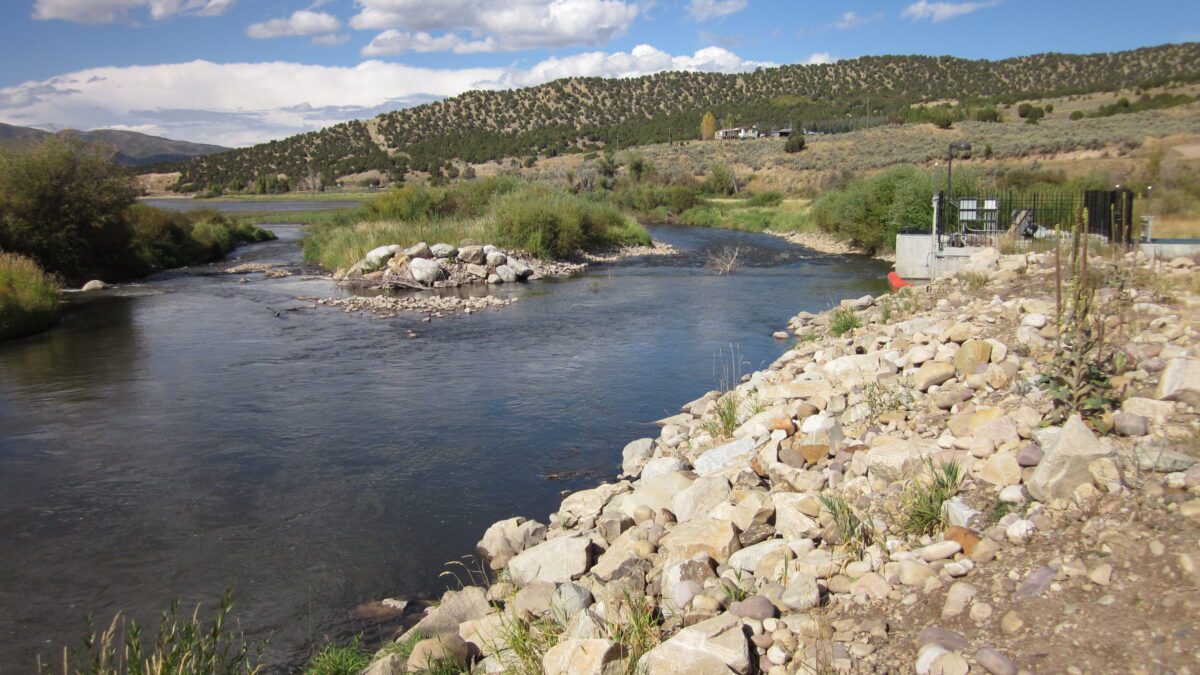
Weber Basin Water Conservancy District has contracted with the Davis and Weber Counties Canal Company for 5,000 acre-feet of water in East Canyon Reservoir for future use, officials said. But the infrastructure needed to bring that water into the Snyderville Basin has not been built.
Mountain Regional Water Special Service District General Manager Andy Garland estimated the importation project could cost about $200 million. He also gave a rough estimate of $5,000 to $6,000 per acre-foot annually for the imported water. The figures were planning estimates, not an approved construction budget or rate proposal.
TownLift reported in September that Mountain Regional can meet its existing water commitments but projected an approximately 800-gallon-per-minute shortfall if additional development requests are added without further conservation or new sources. Garland estimated the East Canyon importation project at $150 million to $200 million at the time.
Officials said conservation could help stretch existing supplies and delay the need for that larger investment.
The council discussion also focused on Summit County’s water concurrency program, which is intended to prevent water providers from committing more water than they can physically produce.
Summit County Health Director Phil Bondurant described the goal as ensuring that “wet water” matches “paper water.”
Under the program, five Snyderville Basin water providers report their production, existing commitments, and available capacity. Those figures are reviewed by a third-party engineer and county health officials. The system requires a 15% reserve and uses a 10-year operating window to account for fluctuations in water production, including drought conditions.
If a provider is found to be non-concurrent, it cannot issue new willing-to-serve or commitment-to-serve letters until the problem is resolved. Bondurant said only one provider has been found non-concurrent since the program began, and that instance resulted from a reporting error that was quickly corrected.
The distinction between a willing-to-serve letter and a firm water commitment became a point of discussion around Junction Commons.
Councilmember Tonja Hanson asked how the county could approve the redevelopment before securing all the water needed for its expanded uses.
County officials explained that a willing-to-serve letter can be part of the development approval process without representing a final commitment of water. Junction Commons has an existing water provider, they said, but additional water needed for expanded uses has not yet been committed.
Officials emphasized that the developer cannot build the additional development unless it secures the necessary water.
Garland told the council Mountain Regional’s current planning extends through 2060, but the district could face a deficit if conservation measures are not met. Mountain Regional is also seeking additional water sources, expanding treatment capacity, and drilling wells.
“Water is finite,” Garland said. “Nothing is guaranteed.”


621 E Canyon Gate
Park City, UT 84098
4251 E Lipizzan Jump
Moab, UT 84532