Live zebra mussel found in Utah stretch of Colorado River

UTAH — About a month after detecting zebra mussel DNA on the Utah side of the Colorado River, Utah Division of Wildlife Resources biologists discovered a live adult zebra mussel on Sept. 22.
Test results confirmed the discovery Wednesday, prompting a response from the DWR, the Utah Department of Natural Resources Law Enforcement Division and partner agencies to prevent the further spread of the aquatic invasive species.
Though small, zebra mussels reproduce rapidly and can disrupt aquatic ecosystems, damage infrastructure and create hazards for recreational users.
The mussels filter plankton from the water, reducing a food source for fish. They can also clog water lines and damage boat systems, while the sharp shells of dead mussels can cut the feet of people walking along beaches.
If zebra mussels spread into water delivery systems, removing them and keeping pipes clear can cost millions of dollars annually, potentially increasing utility bills.
“Utah is dedicated to coordinating with our partners to contain and manage this aquatic invasive species threat,” DNR Law Enforcement Aquatic Invasive Species Statewide Operations Lt. Bruce Johnson said. “We need everyone’s help to protect our waterways. If you’re getting out on the water — whether on a boat, kayak or paddleboard — please make it a habit to clean, drain and dry your gear every single time. It’s a simple step that makes a huge difference.”
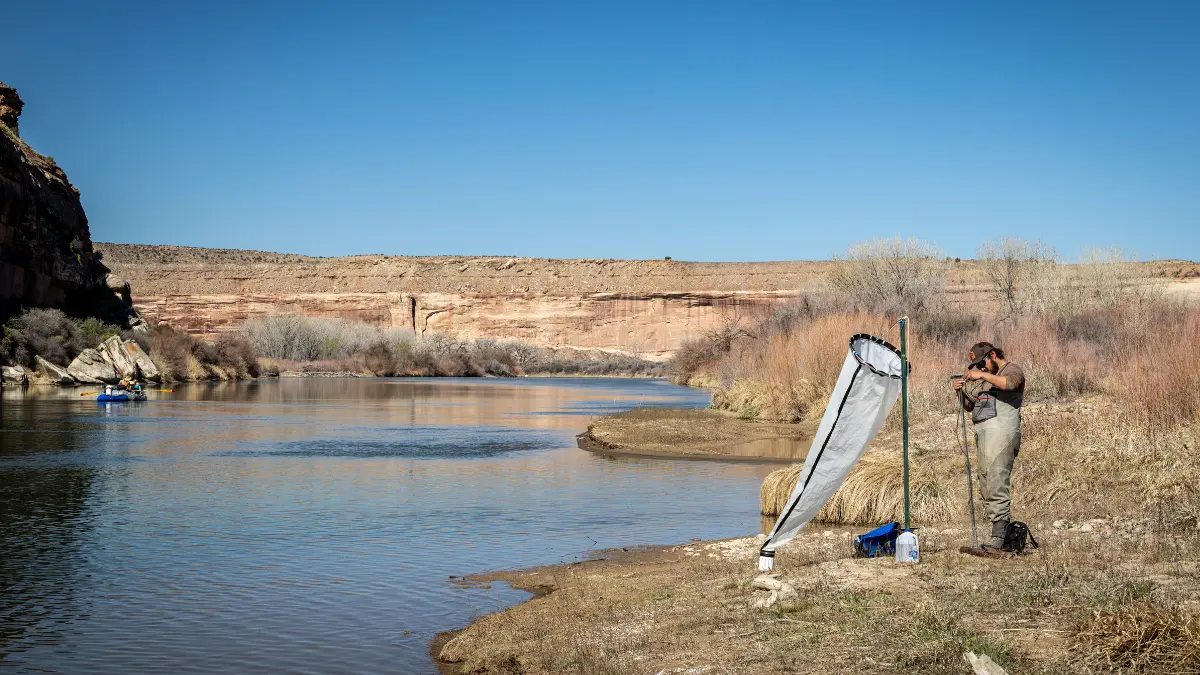
After an established infestation was documented near Loma, Colorado, in 2025, the DWR began more extensive sampling for invasive mussels along the Utah stretch of the Colorado River, from the state line to Moab. These areas are downstream from the Colorado infestation.
This summer, an environmental DNA autosampler was deployed about 14 river miles downstream of Moab. Four of 22 samples tested positive for zebra mussel DNA, as TownLift previously reported. Biologists subsequently discovered the live adult mussel during monitoring efforts in September.
The detection underscores the risk of invasive mussels spreading to other Utah waterways. Once transported to new waterbodies, zebra mussels can threaten aquatic ecosystems and water infrastructure in a state that relies heavily on irrigation.
All river users in Utah, including those using nonmotorized watercraft such as canoes, paddleboards and rafts, are required to clean, drain and dry their watercraft when leaving a waterbody. This includes removing debris, mud and water from the watercraft and trailer.
People using motorized watercraft must also complete the mandatory Mussel-Aware Boater Program course and pay the associated aquatic invasive species fee. Drain plugs must be removed before transporting a watercraft away from a waterbody within Utah.
Learn more about preventing the spread of invasive mussels and other aquatic invasive species on the STD of the Sea website.


4251 E Lipizzan Jump
Moab, UT 84532