Meteor season is here as the Perseids begin

The annual summer sky show peaks Aug. 12-13 under a moonless sky
PARK CITY, Utah — One of the year’s most anticipated meteor showers is already underway, building toward a mid-August peak that is expected to offer especially favorable viewing conditions.
The Perseid meteor shower will peak overnight Aug. 12 into the early morning hours of Aug. 13, according to NASA and the American Meteor Society. The shower became active July 17 and will continue through Aug. 24.
This year’s peak will coincide with a new moon, meaning little to no moonlight will interfere with the view. The American Meteor Society said observers in rural locations may see roughly 30 to 50 meteors per hour during the strongest activity. However, actual numbers will depend on cloud cover, darkness, and viewing location.
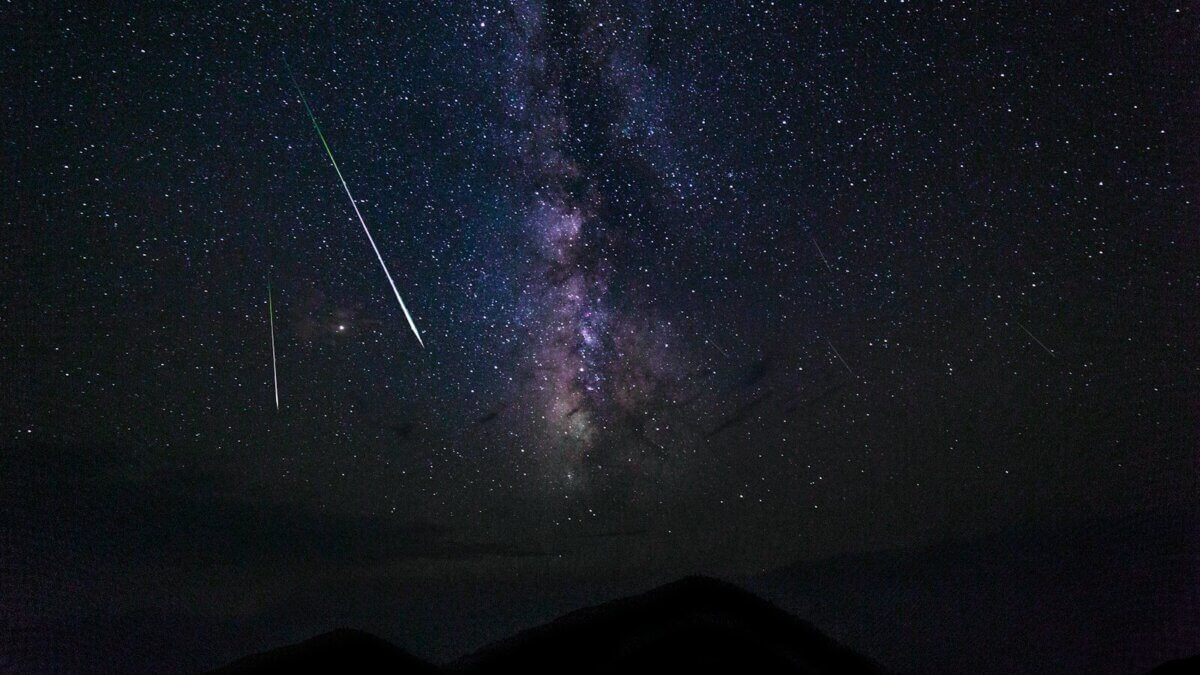
The Perseids are among the most popular meteor showers because they produce fast, bright meteors during relatively warm summer nights. NASA said the shower is also known for fireballs, which are larger and brighter bursts of light that can remain visible longer than an average meteor streak.
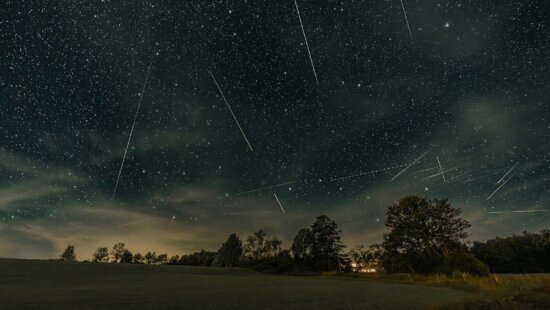
The meteors are created by particles left behind by comet 109P/Swift-Tuttle. Each year, Earth travels through the comet’s trail of debris. Small pieces enter the atmosphere at high speed and burn up, creating streaks of light commonly called shooting stars.
NASA said Perseid meteors travel at about 37 miles per second. They appear to radiate from the constellation Perseus, though meteors may be visible anywhere across the sky.
The best viewing typically comes after midnight and before dawn, when the constellation Perseus rises higher in the northeastern sky. Some meteors may become visible as early as 10 p.m.
No telescope or binoculars are required. NASA recommends finding an open location away from streetlights, buildings, and other sources of artificial light. Viewers should allow their eyes time to adjust to the darkness and look across a wide section of sky rather than focusing on a single point.
For Park City and Summit County residents, darker areas away from commercial centers and major roadways will generally provide a better view, as long as public access and nighttime parking rules allow.
The Perseids will remain visible on nights before and after the peak, although meteor activity is expected to be highest overnight Aug. 12-13.


4251 E Lipizzan Jump
Moab, UT 84532