Great Salt Lake dust storm pushed pollution to hazardous levels

July 8 storm sent particle pollution to about four times the healthy limit, The Salt Lake Tribune reported
SALT LAKE CITY, Utah — A dust storm that swept off the Great Salt Lake earlier this month pushed air pollution in parts of the Salt Lake Valley to hazardous levels, according to The Salt Lake Tribune.
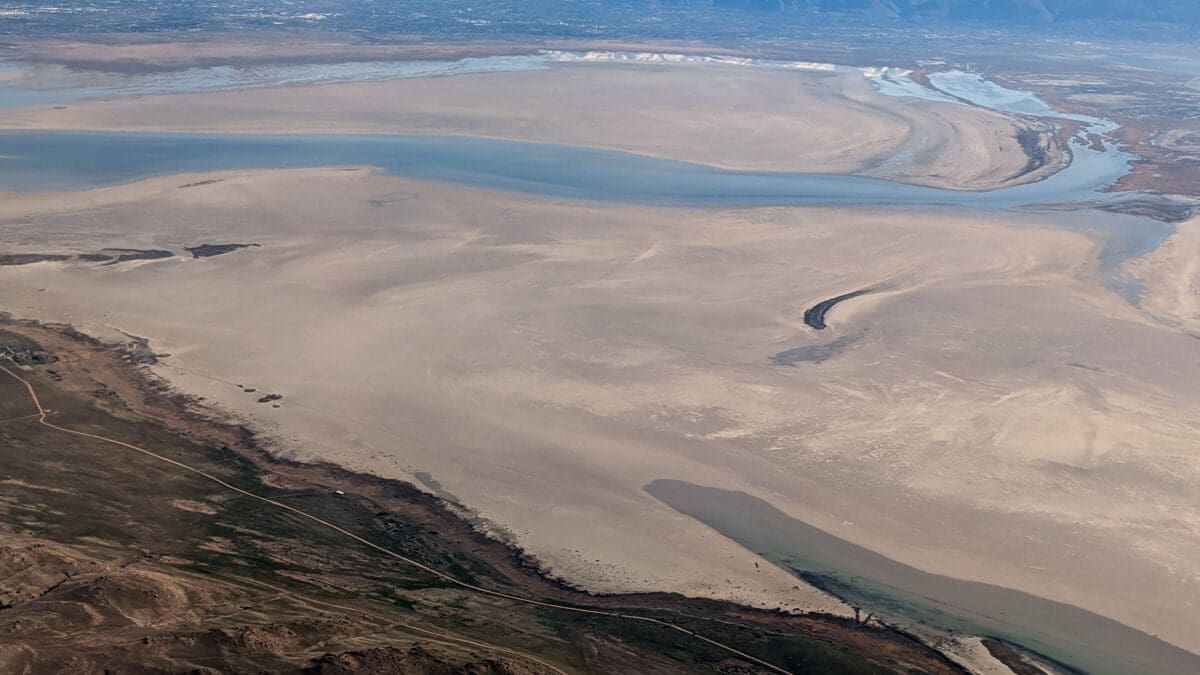
The July 8 storm carried dust from exposed lakebed across the valley, reducing visibility and coating communities in sediment. University of Utah atmospheric sciences professor Kevin Perry told The Tribune that PM10 concentrations reached about four times the level considered healthy.
PM10 refers to airborne particles small enough to enter the respiratory system. High concentrations can worsen asthma and other breathing problems and increase the risk of heart attacks, strokes and premature death, The Tribune reported.
Perry told The Tribune that Great Salt Lake dust events typically occur several times a year. The July storm was unusual for midsummer and was driven by strong winds from nearby thunderstorms.
The storm also renewed concerns about contaminants in the exposed lakebed. Researchers have identified several substances in lake sediment that may pose health risks, including arsenic, according to The Tribune.
Perry told The Tribune that the immediate danger during a dust storm comes from the amount of material in the air. Researchers are also studying the long-term effects of repeated exposure to metals and other contaminants carried by the dust.
The Utah Division of Air Quality is adding monitoring equipment around the lake to identify better where dust originates and which communities face the greatest exposure, The Tribune reported.
Perry said restoring water to the Great Salt Lake remains the most effective long-term way to reduce dust. Higher water levels would cover exposed sediment and prevent it from being carried into nearby communities, according to The Tribune.
During visible dust storms, health officials recommend staying indoors, closing windows and avoiding strenuous outdoor activity. The Tribune reported that a well-fitting N95 mask can help reduce exposure for people who must remain outside.
Children, older adults and people with asthma, heart disease or other health conditions may face the greatest risk, according to The Tribune.
The July 8 storm offered a stark example of a problem scientists warn could worsen as more of the Great Salt Lake’s bed is exposed.


4251 E Lipizzan Jump
Moab, UT 84532