New assessment maps priority habitat for Great Salt Lake’s 12 million birds

Audubon scientists say protecting water flows, wetlands and agricultural lands across the watershed will be critical as the climate changes
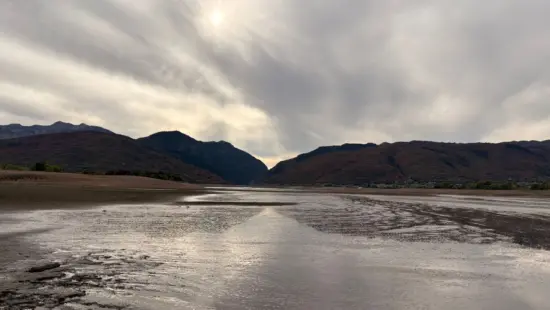
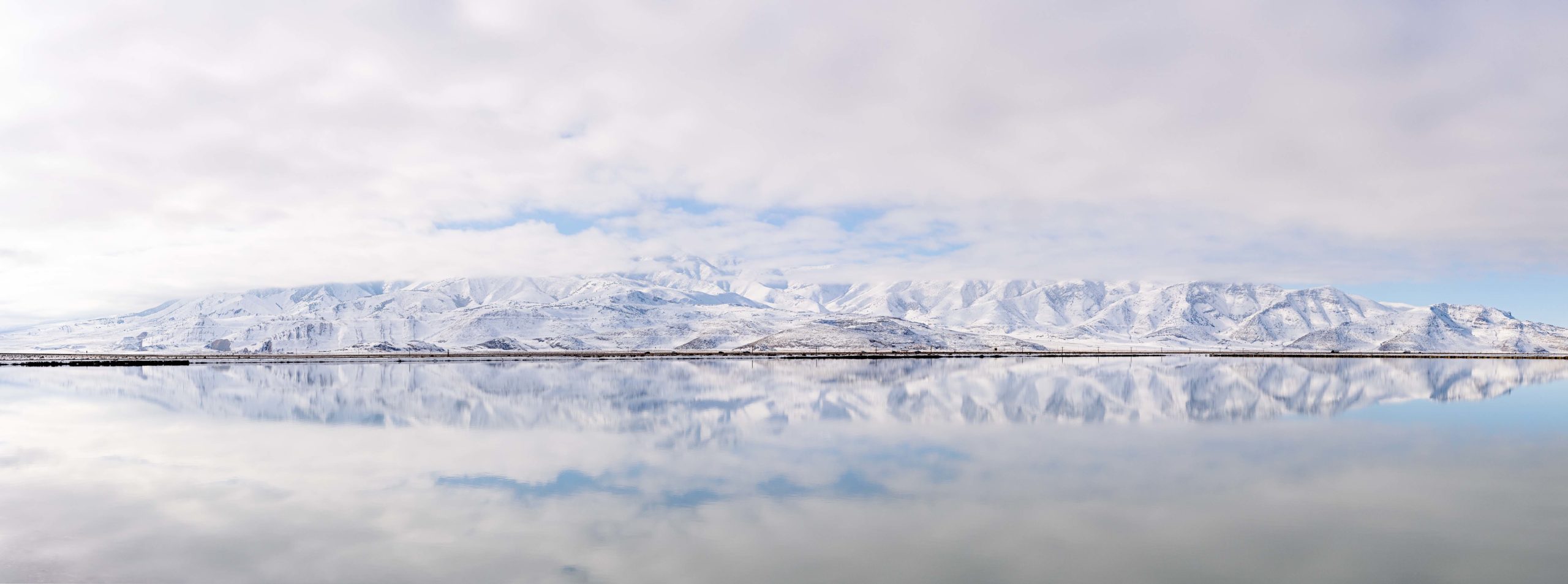
SALT LAKE CITY — A new scientific assessment identifies the wetlands, waterways and agricultural lands that conservationists say will be critical to protecting the roughly 12 million birds that depend on the Great Salt Lake each year.
The National Audubon Society released its Great Salt Lake Birds and Habitat Assessment on June 30. The report combines bird population data, climate projections, land-use information and hydrologic modeling to identify the parts of the watershed where conservation and restoration could have the greatest impact.
Great Salt Lake is one of the most important remaining stops along the Pacific Flyway, the migration route used by birds traveling between breeding and wintering grounds across the Western Hemisphere, according to Marshall Johnson, Audubon’s chief conservation officer.
“This assessment contributes directly to Audubon’s broader work to bend the bird curve and provides valuable insight to our partners,” Johnson said in a statement.
The assessment found that the lake’s open water and major wetland complexes remain the highest conservation priorities. Those areas include the Bear River Migratory Bird Refuge and the Farmington Bay, Ogden Bay and Willard Spur waterfowl management areas.
Audubon scientists said those habitats currently support large numbers of birds and are also expected to remain suitable as the climate changes. Protecting water flows and limiting development around the areas could provide the greatest near-term benefit, according to the report.
The assessment also identified agricultural lands and degraded historic wetlands around the lake as opportunities for restoration or voluntary land protection. Many of those areas are expected to remain suitable for birds through the middle of the century.
The report emphasizes that protecting wetlands alone will not be enough. Streams, canals, irrigation return flows and other waterways that move water through the watershed are equally important, Audubon scientists said.
“The future of Great Salt Lake and its wetlands is intertwined with the decisions we make in the surrounding watershed,” Marcelle Shoop, director of Audubon’s Saline Lakes Program, said in a statement.
Shoop said protecting the routes water takes to reach the lake and its surrounding wetlands is essential for birds, nearby communities and the long-term health of the ecosystem.
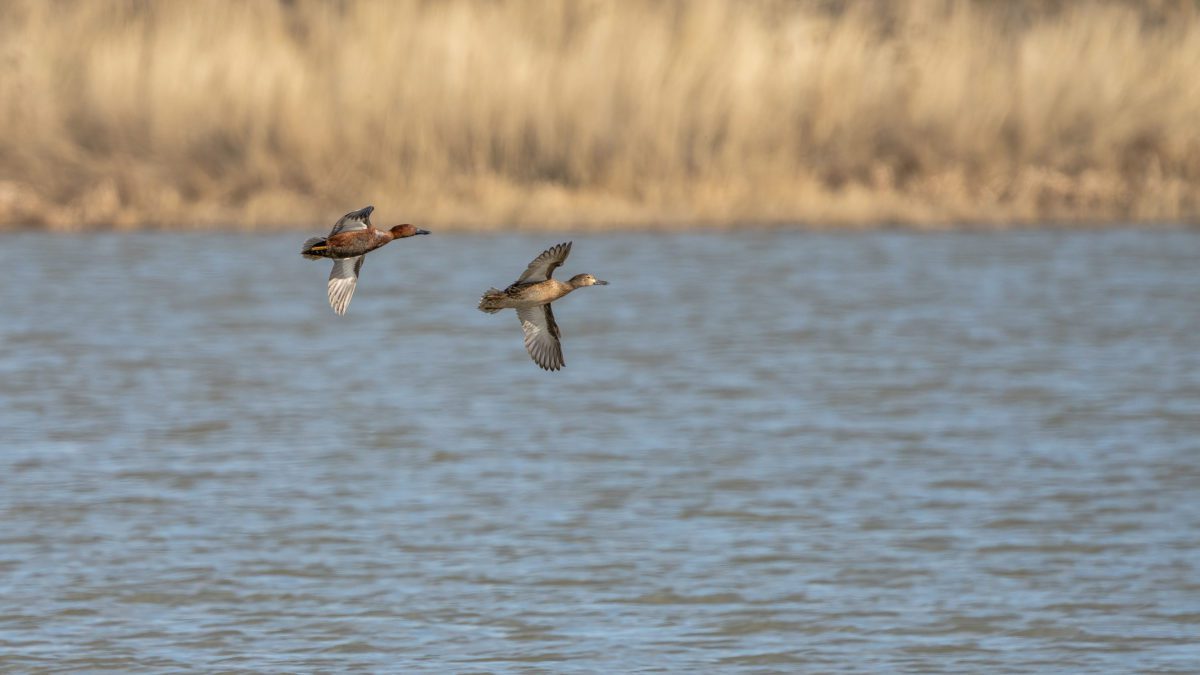
Great Salt Lake supports globally significant populations of shorebirds, waterfowl and other waterbirds. Different species depend on different types of habitat. Wilson’s phalaropes use open saline water, for example, while white-faced ibis rely more heavily on freshwater wetlands and deeper water.
The assessment also examined areas farther upstream, including lands around Utah Lake and the Jordan River. Researchers said improving habitat and water quality in those areas could strengthen the broader network of places birds use while migrating through Utah.
Audubon developed the assessment for state and federal agencies, local governments, agricultural producers, water-rights holders, private landowners and conservation organizations deciding where to direct funding and restoration work.
Kelly Pehrson, commissioner of the Utah Department of Agriculture and Food, said in a statement that the assessment recognizes the role agricultural lands can play in maintaining water flows, wetlands and bird habitat.
Audubon said the report is intended to guide voluntary conservation, restoration and water-management decisions rather than prescribe a single plan for the lake.
The full Great Salt Lake Birds and Habitat Assessment and a visual summary are available through the National Audubon Society.


2266 E Garfield Avenue
Salt Lake City, UT 84108