Wildfire experts warn about the dangers of the current situation

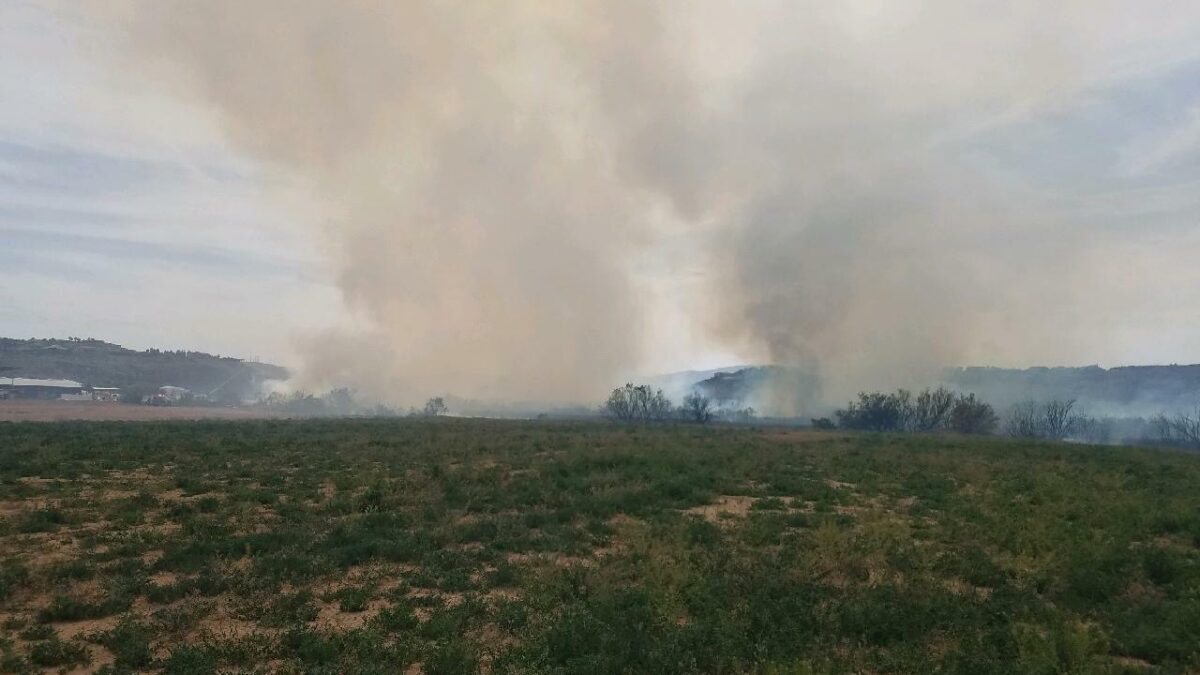
PARK CITY, Utah — With drought conditions persisting across Utah, fire restrictions are already in place at varying levels statewide. A statewide fireworks ban is in effect. Exploding targets are prohibited on all U.S. Forest Service and Bureau of Land Management lands, as well as in Utah and Tooele counties.
BLM lands in Color Country and the Paria River District are under Stage 1 fire restrictions, which prohibit:
- Building or maintaining any open fire or campfire using solid fuels or any ash-producing fuel.
- Smoking, except within a vehicle or enclosed area.
- Grinding, cutting, or welding metal.
- Operating any internal combustion engine without a spark-arresting device properly installed and in working order, per 43 CFR § 8343.1.
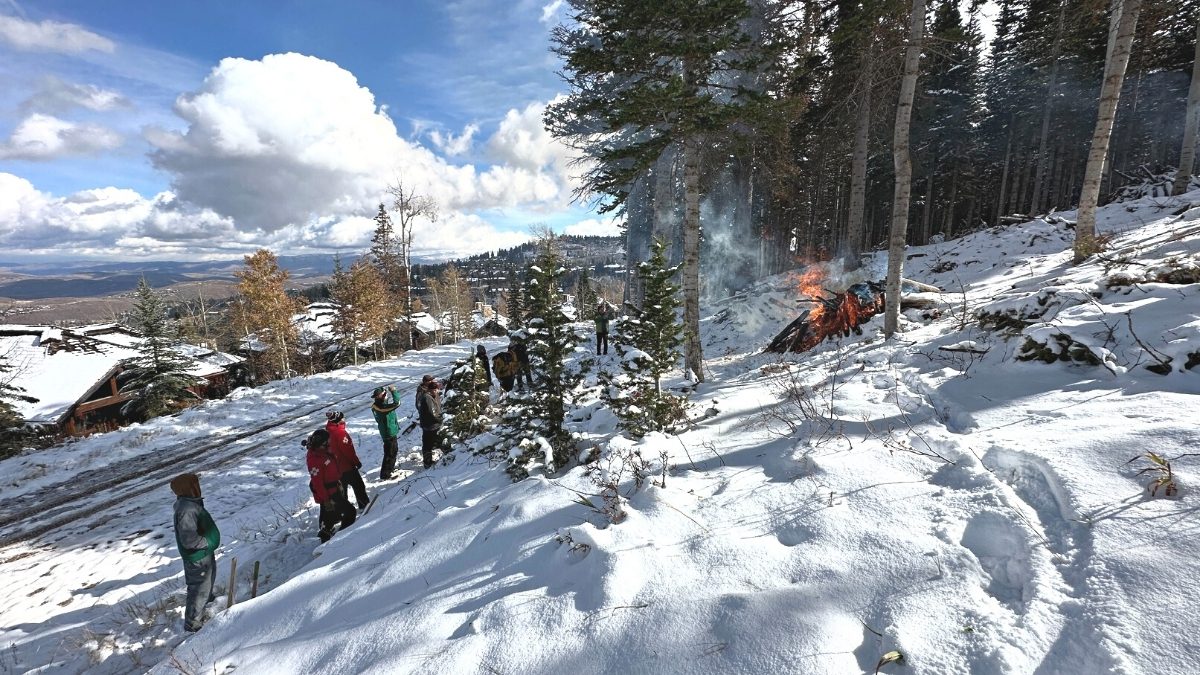
In 2025, Summit County implemented 16 prescribed burns, the largest of which cleared 160 acres of pile debris in Taylors Fork. Ten wildfires burned in the county that year.
Prescribed burns reduce wildfire risk by removing excess fuel, lowering the likelihood and severity of future fires, improving forest conditions, promoting natural regeneration, and protecting homes and open space in the Kimball Junction area. Fewer prescribed burns were possible this past winter due to limited cool, wet weather windows.
Bobbie Scopa, vice president of Grassroots Wildland Firefighters and a former assistant regional fire director in the Northwest, said several wildfires burned last winter in Arizona at elevations of 6,000 to 7,000 feet. While the National Weather Service is forecasting a stronger monsoon season in Arizona, monsoons are typically preceded by dry lightning with high ignition rates.
Utah residents can stay informed through SCFIRE alerts by texting “SCFIRE” to 91896.
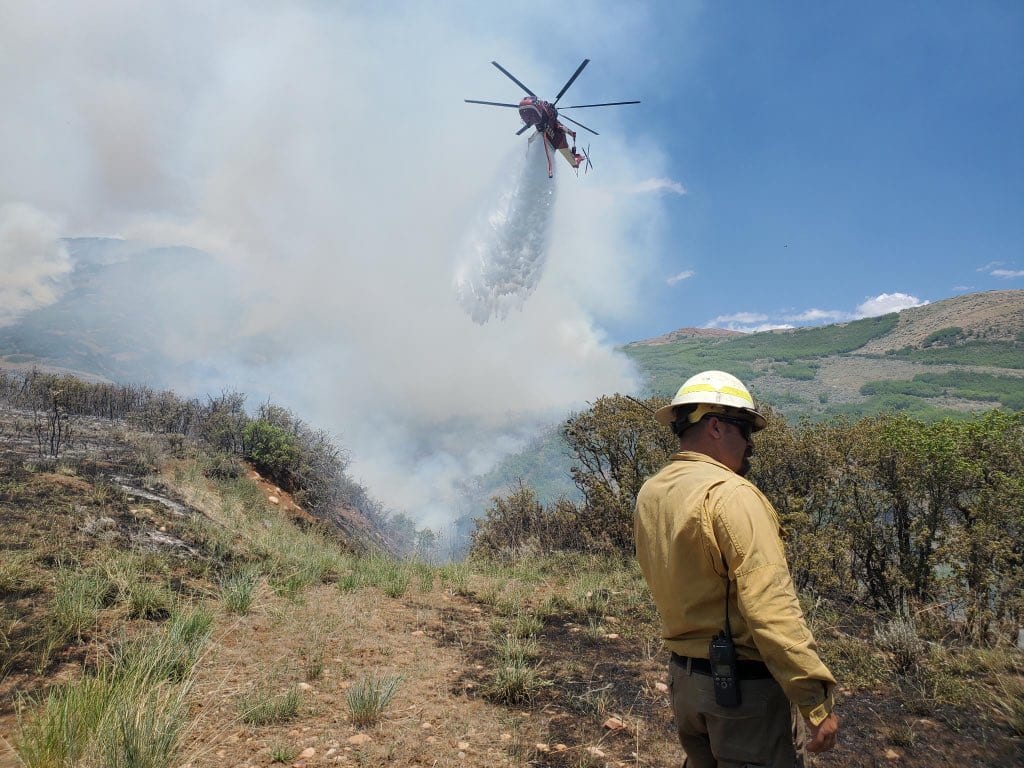
Utah’s 2026 fire season began early. As of the most recent report, 202 fires have been recorded statewide, 170 of them human-caused, burning a combined 8,448 acres. The largest so far is the Wild Horse Fire in Millard County, which started May 13, burned 7,022 acres, and is now fully contained.
Hugh Safford, a professor in the Department of Environmental Science and Policy at the University of California, Davis, and a former regional ecologist with the U.S. Forest Service’s Pacific Southwest Region, said his primary concern is not budget or staffing capacity within fire programs — which have been shielded from the deepest cuts — but rather the dismantling of programs that support prevention and coordination.
“I think the major problem in fire management is the sudden, and what I think is shocking, disavowal of so much of what we’ve learned over the last 60 years with respect to the necessity of approaching fire management in an integrated and balanced fashion,” Safford said. “Symptoms of the sudden amnesia include major reductions in risk reduction activities; discarding the Forest Service research arm; the proposed elimination of the Forest Service estate and private forestry program, which provides critical technical and financial assistance to states and other non-federal landowners; and the reinstitution of a medieval focus on putting fires out after they are ignited rather than dealing more proactively and holistically with their causes and consequences.”
Safford added that damage equal to or greater than that from cuts to non-fire programs within federal land management agencies, particularly the Forest Service.
U.S. Forest Service data from 2012–2021 shows that prescribed burns rarely escape their boundaries — only 43 of 50,000 such fires did, five of them in Utah.
Interagency coordination has also been weakened by turnover in upper-level management, as many senior administrators have been replaced in recent years. Frontline firefighters retain their expertise, but some cross-agency relationships need to be rebuilt.
Seasonal staffing is another concern. In 2025, roughly 20% of the summer seasonal workforce was hired and then dismissed during federal workforce reductions, creating reluctance among workers to reapply for those positions.


2266 E Garfield Avenue
Salt Lake City, UT 84108