June skies offer planets, solstice, and Strawberry Moon for Park City stargazers

PARK CITY, Utah — Summer officially arrives this month, but some of June’s most memorable moments may happen after sunset.
According to NASA, June offers several opportunities for skywatchers to spot bright planets, trace familiar constellations, and celebrate the arrival of the summer solstice. Meanwhile, the Old Farmer’s Almanac notes that June’s full Strawberry Moon will cap the month with one of the season’s most recognizable lunar events.
Early June will feature a close pairing of Venus and Jupiter in the western sky shortly after sunset. NASA and other skywatching guides have highlighted the two brightest planets, which appear close together, making them easy to spot even for casual observers.
As the month progresses, Mercury joins the evening sky, giving observers a chance to spot three planets low above the western horizon after sunset. June is considered one of the best months of 2026 to view Mercury during evening hours.
For those willing to rise before dawn, Saturn becomes increasingly visible in the eastern sky throughout the month. NASA’s annual skywatching outlook notes that 2026 will provide numerous opportunities to observe planets, meteor showers, and lunar events throughout the year.
The summer solstice arrives on June 21, marking the longest day of the year in the Northern Hemisphere. The event occurs when Earth’s Northern Hemisphere reaches its maximum tilt toward the sun, resulting in the longest day of the year.
By late June, darker mountain skies around Summit County will also showcase the return of the Summer Triangle, a prominent seasonal pattern formed by the stars Vega, Deneb, and Altair. Under dark-sky conditions away from city lights, portions of the Milky Way become increasingly visible as summer begins.
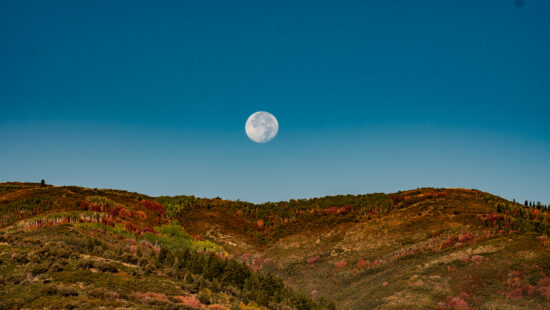
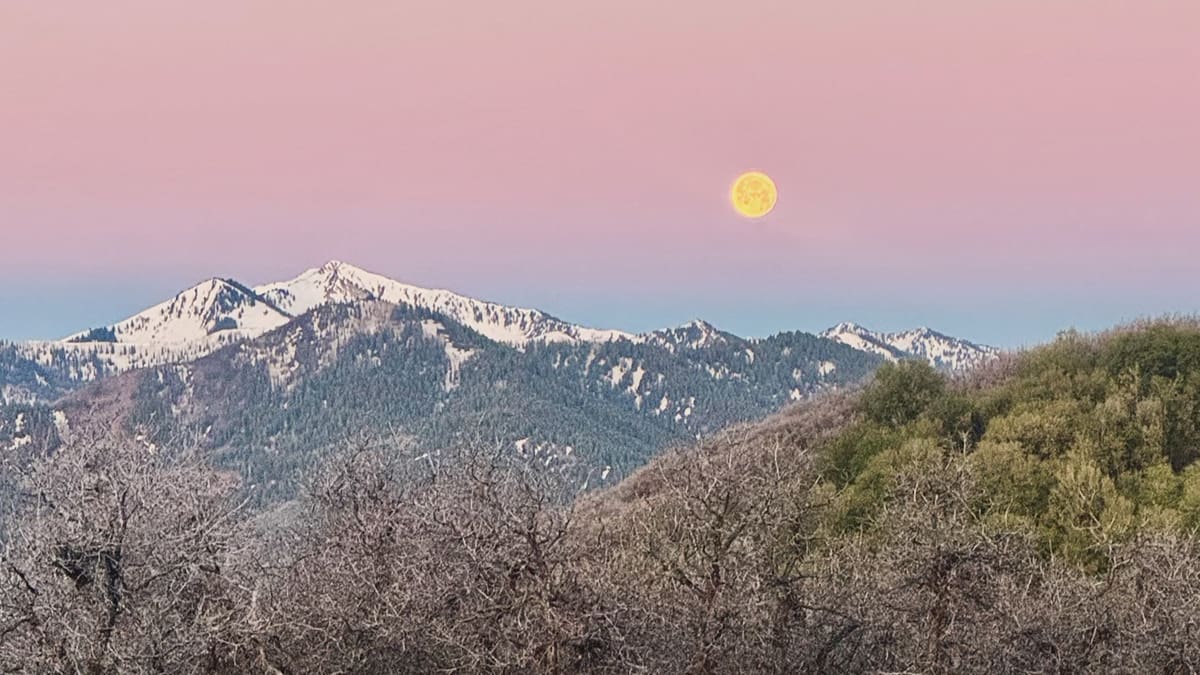
The month concludes on June 29 with the full Strawberry Moon. According to the Old Farmer’s Almanac, the moon reaches peak illumination at 7:56 p.m. Eastern Time. The name does not refer to the moon’s color but rather comes from Indigenous North American traditions that mark the short strawberry harvest season.
While the moon will not actually appear pink, its low position near the horizon during summer often gives it a warm golden or reddish hue as moonlight passes through more of Earth’s atmosphere.
For Park City and Summit County residents, June offers a reminder that some of the season’s best outdoor experiences begin after dark. From bright planets and the longest day of the year to the rising Strawberry Moon, the month provides plenty of reasons to look up.


4251 E Lipizzan Jump
Moab, UT 84532