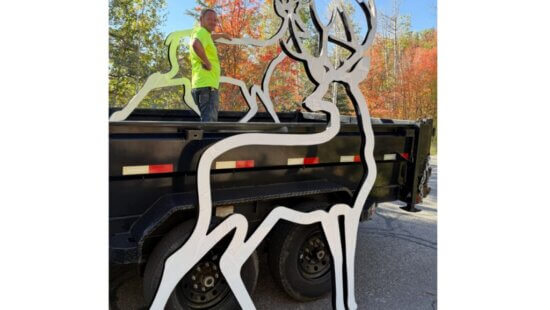
Wildlife cameras reveal how animals move along SR-224

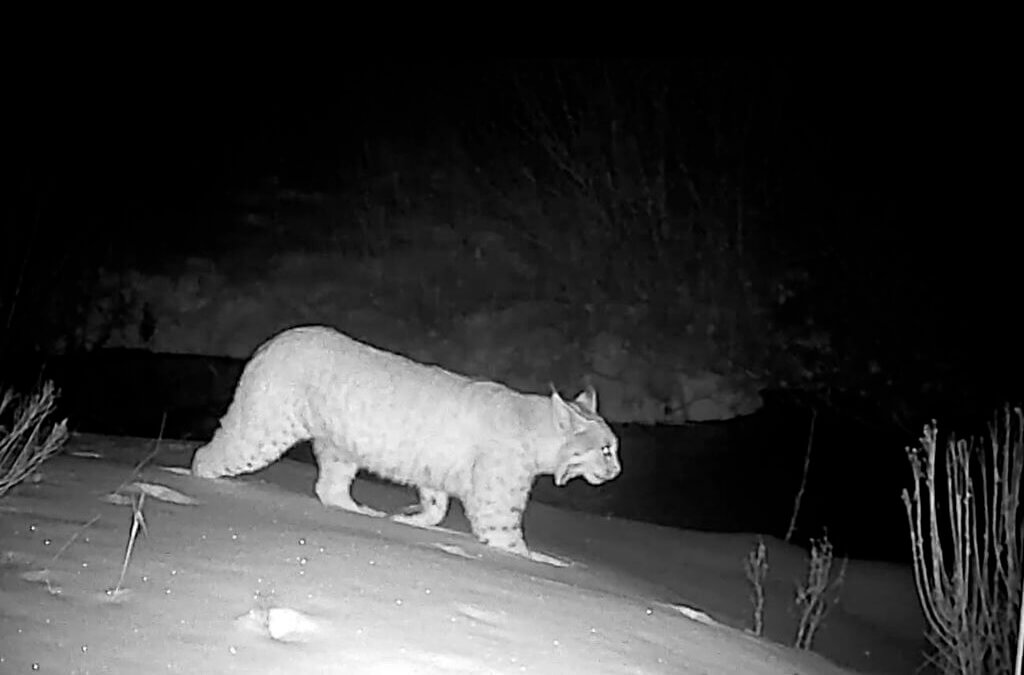
Save People Save Wildlife is gathering data to identify collision hot spots and guide future safety improvements
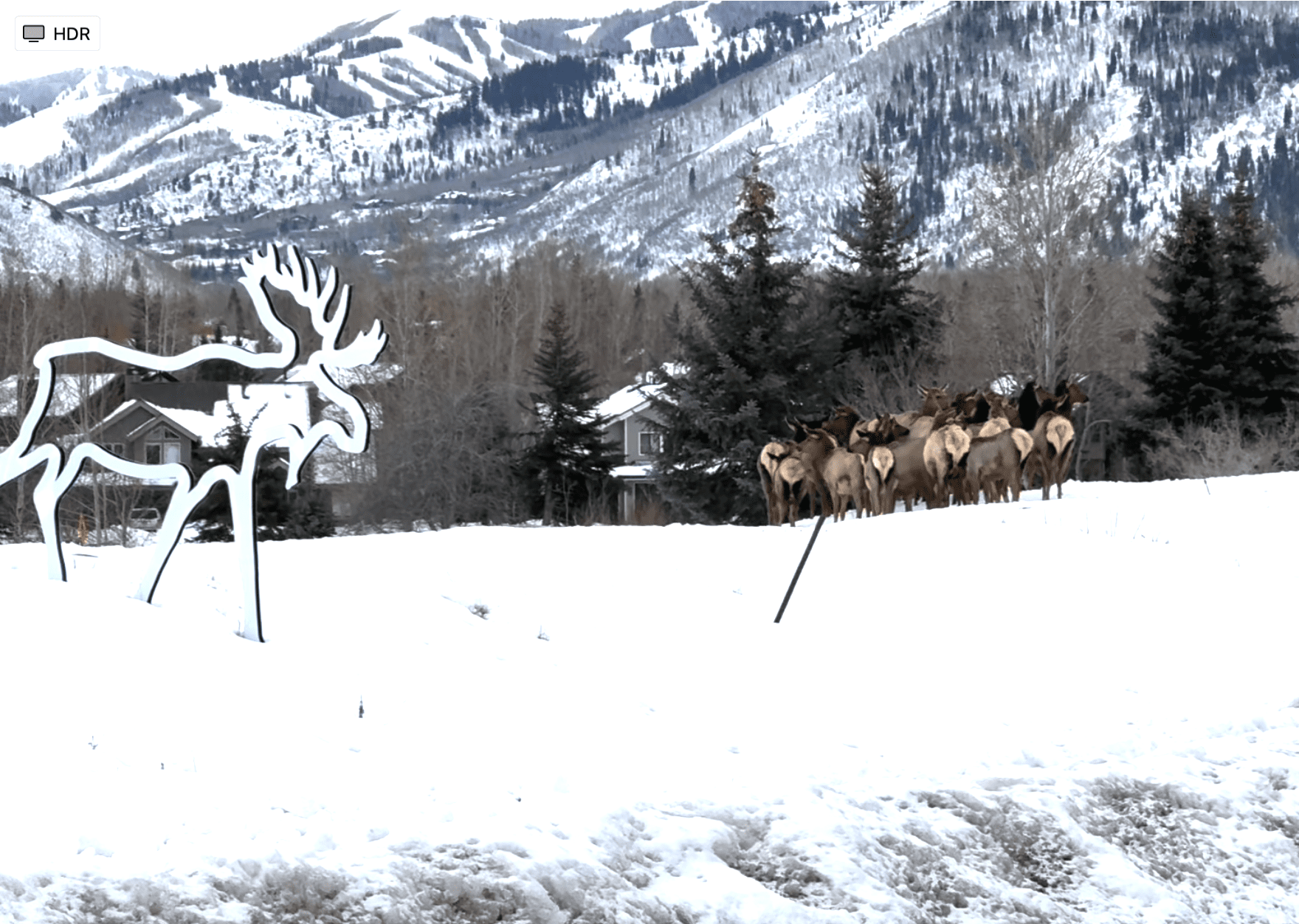
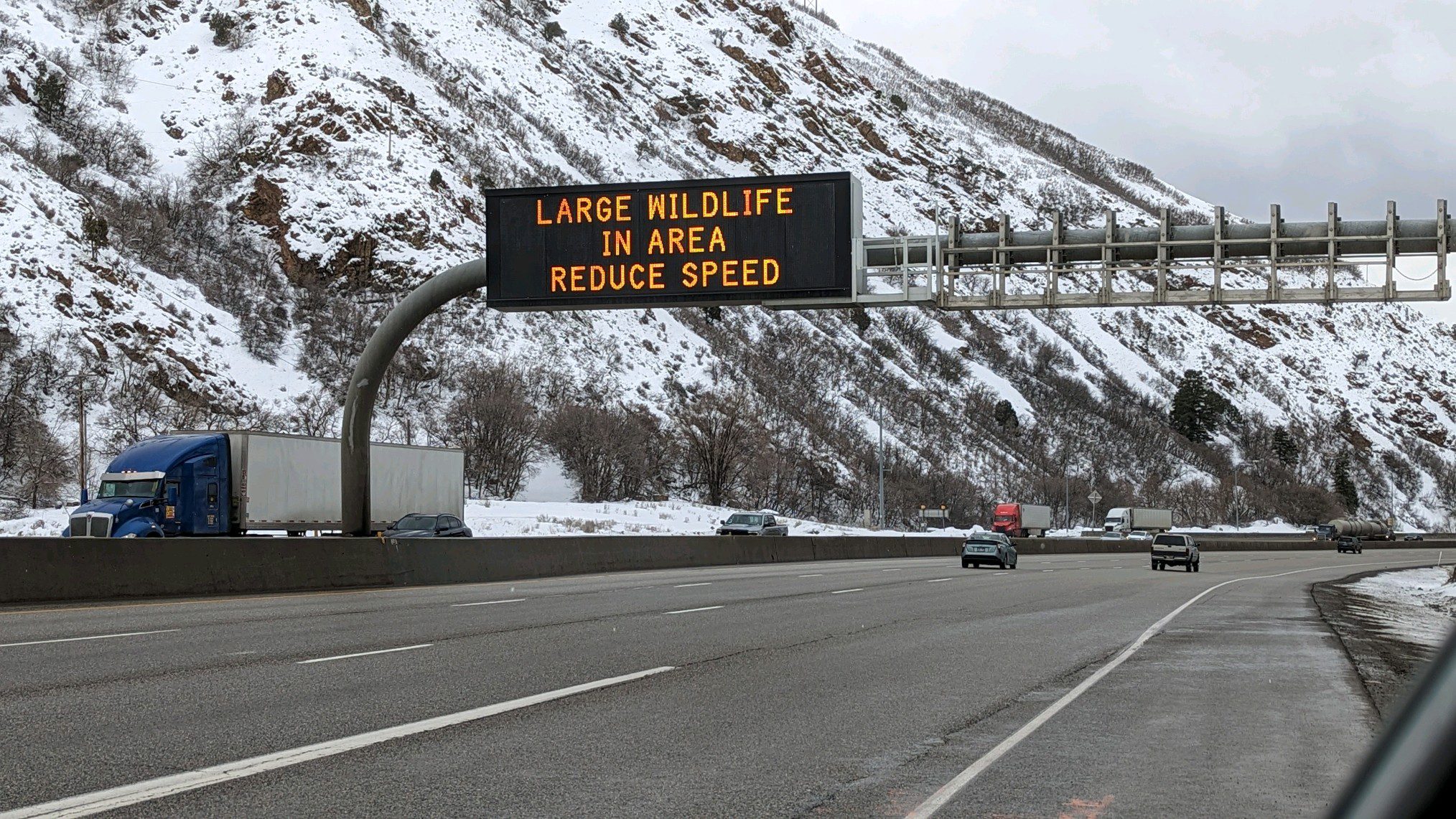
PARK CITY, Utah — Wildlife cameras positioned along SR-224 are documenting how animals move through the busy Park City corridor as Save People Save Wildlife works toward site-specific recommendations aimed at reducing conflicts between wildlife and vehicles.
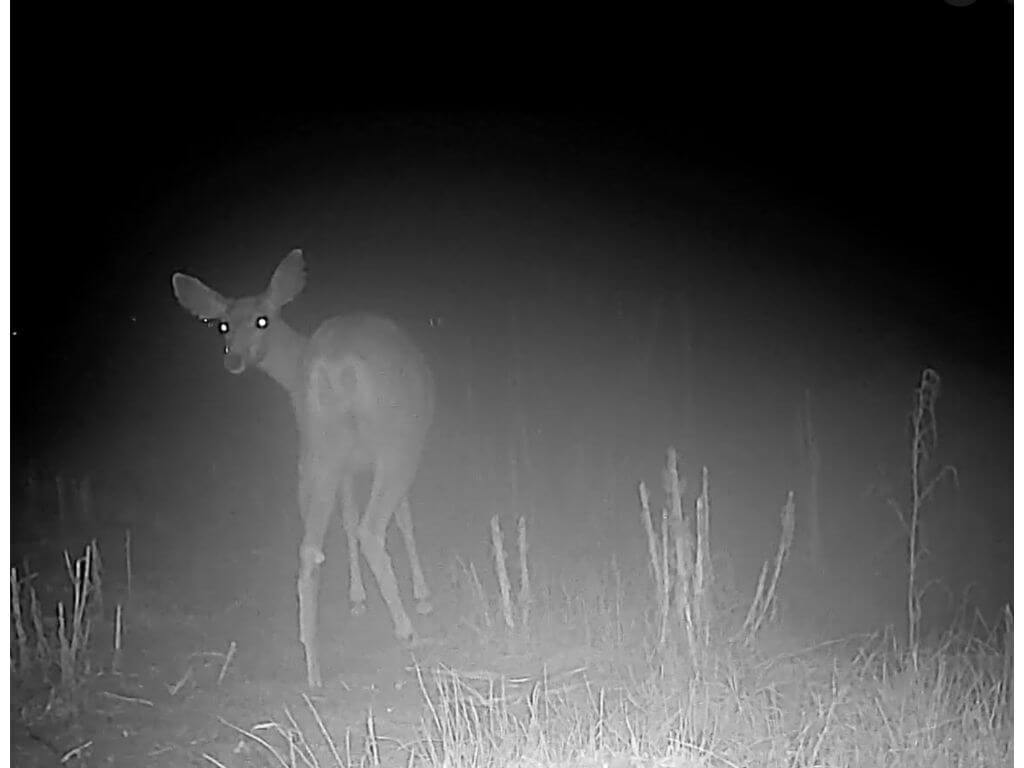
The local nonprofit said it placed cameras at several locations along SR-224 in January as part of the second phase of its wildlife connectivity work. The cameras are recording where and when animals approach the roadway, where they successfully cross, and where their movements may push them toward traffic.
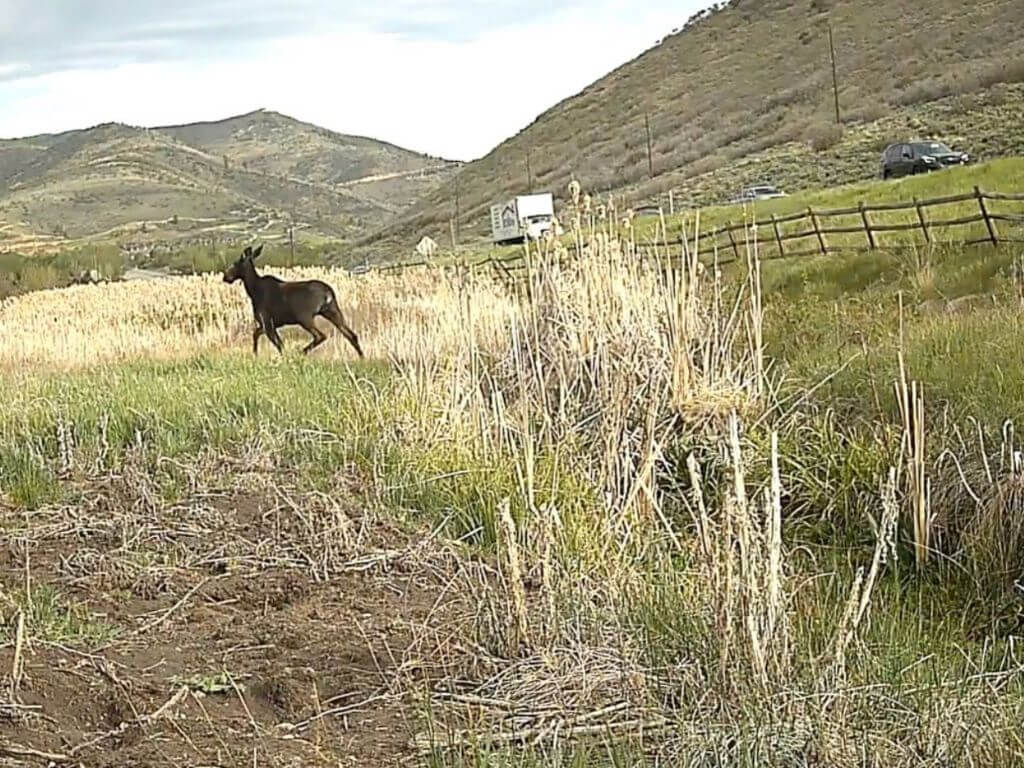
The observations will be analyzed alongside years of wildlife-vehicle collision records to better understand where problems occur along the corridor and what types of mitigation could be appropriate in different locations, according to the organization.
“This phase is not about a ribbon cutting,” Save People Save Wildlife wrote in an Aug. 5 update. “It is about getting the picture right before anyone pours concrete.”
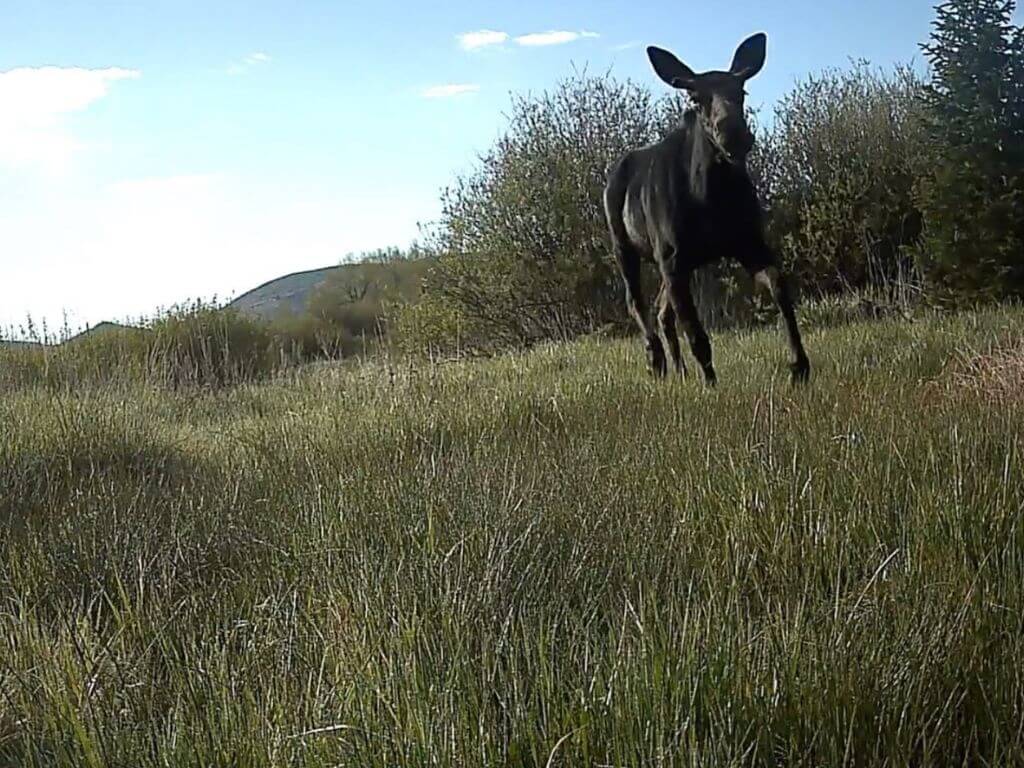
The camera monitoring is part of an assessment being conducted with Rock Design Associates, which completed the first phase of its SR-224 connectivity study in 2025. That phase examined potential measures ranging from improved signage and targeted fencing to wildlife detection systems and possible overpasses or underpasses.
Save People Save Wildlife says the current phase includes camera monitoring, analysis, and engineering work intended to produce prioritized, site-specific recommendations by late fall. The organization plans to take those recommendations to the Utah Department of Transportation, Utah Division of Wildlife Resources, Summit County and Park City Municipal as it works toward potential implementation and funding.
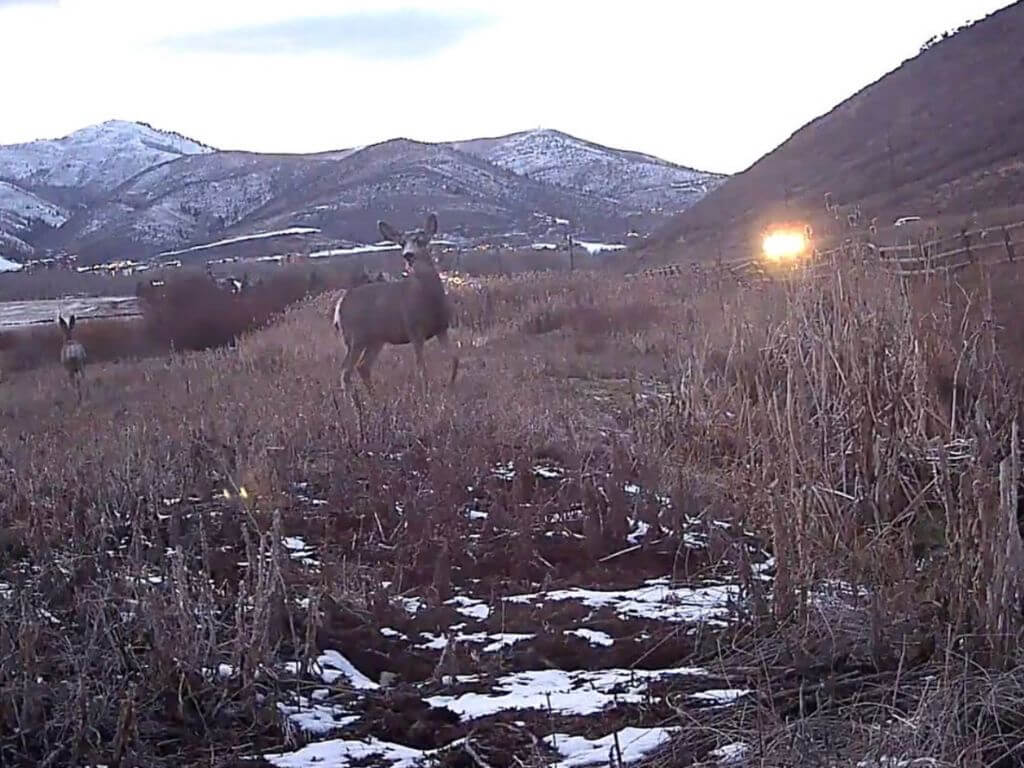
The group points to the wildlife overpass on Interstate 80 at Parleys Summit as an example of how monitoring and research can inform wildlife-crossing projects.
Utah State University researchers used trail cameras to study wildlife use of the overpass from 2020 through 2024, recording more than 4,300 individual wildlife visits involving at least 34 species. Researchers found that deer and moose completed attempted crossings about 98% of the time.
A 2025 USU master’s thesis examining a portion of that monitoring found mule deer successfully used the overpass during 97.9% of 1,973 recorded visits and moose successfully crossed during all 65 recorded visits. Elk used the structure far less frequently, completing three successful crossings during the study.
USU estimates the Parleys Canyon overpass could save about $15 million in motor-vehicle collision costs over its lifetime.
For SR-224, Save People Save Wildlife says the goal of the current work is first to establish a clearer picture of how animals actually use the corridor before determining which measures make sense and where.
“We will keep you posted as the picture sharpens,” the organization said.


2266 E Garfield Avenue
Salt Lake City, UT 84108