State DLI shakeup raises questions, but Park City schools say programs remain steady

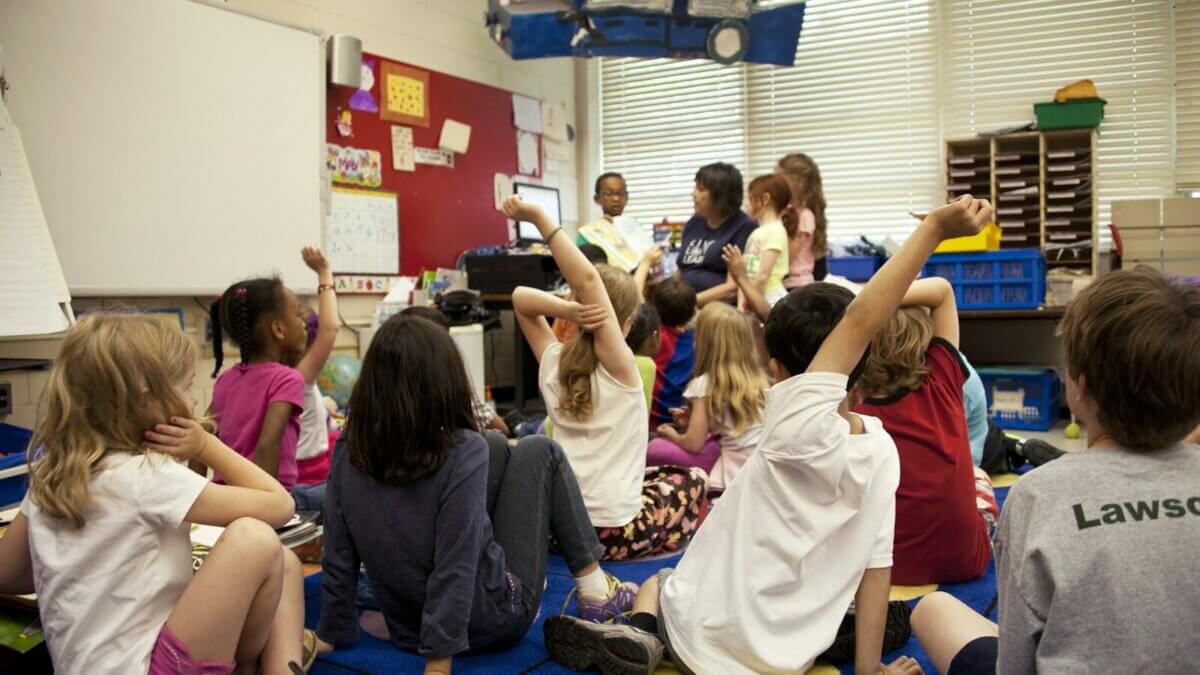
As Utah’s dual language immersion support structure changes, PCSD says local coaches and its DLI specialist will continue supporting teachers and students.
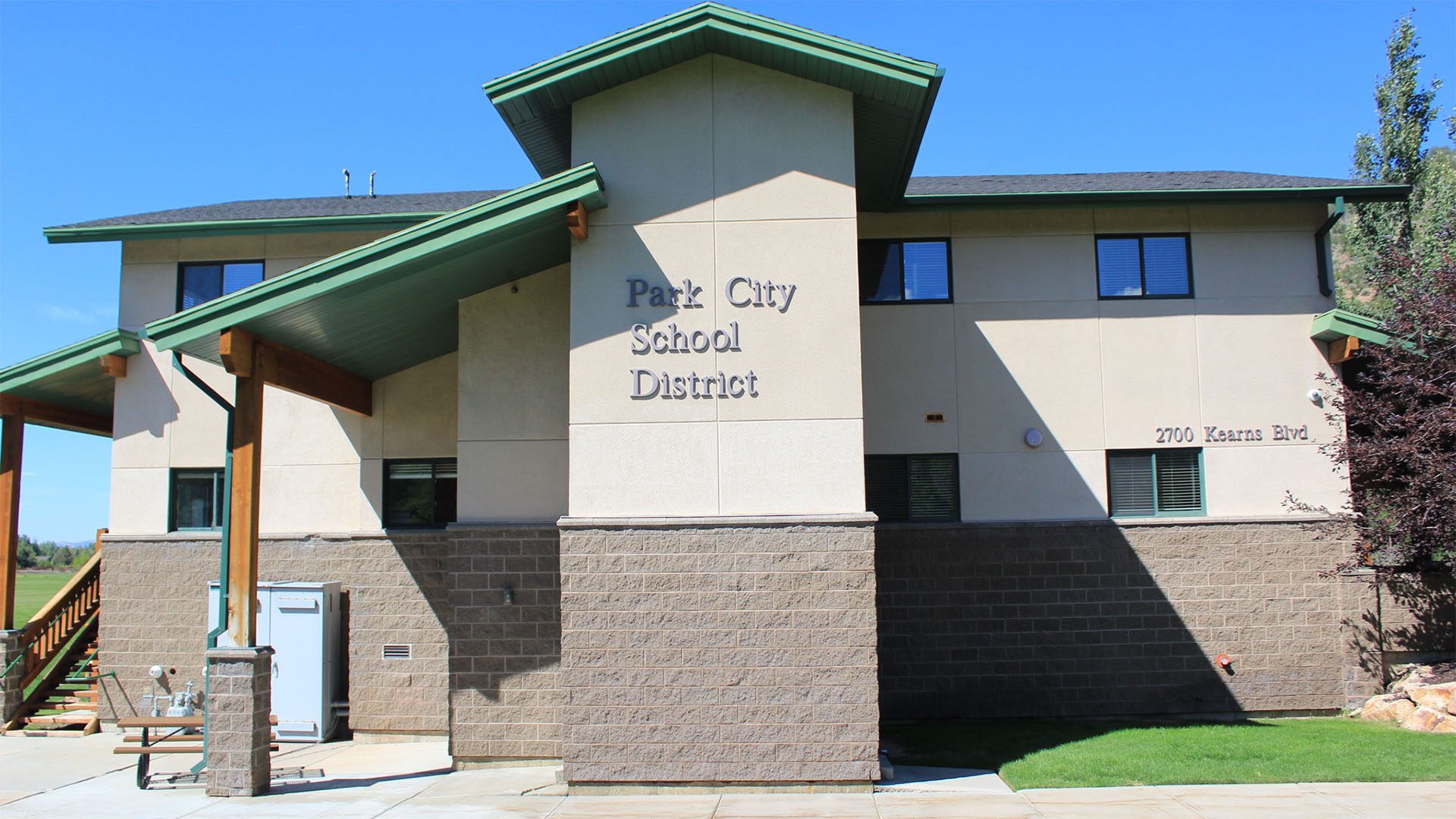
PARK CITY, Utah — Park City School District expects minimal local impact from state-level changes to Utah’s dual language immersion program, even as concerns grow among DLI supporters about the loss of the state team that has historically helped support curriculum, coaching, and teacher development across Utah.
The concerns follow reports that the Utah State Board of Education eliminated the state-level team of DLI directors and coordinators — a group that, according to a 2020 USBE program evaluation, helped districts recruit and support immersion teachers, develop curriculum, and provide targeted coaching and professional development for schools across the state. The report described Utah’s DLI structure as being supported by “a highly qualified, passionate group of directors and coordinators,” with team members employed by local districts while also serving a statewide role.
Utah’s dual language immersion program is a state-supported model in which students receive instruction in English and a partner language. USBE describes the program as one designed to build second-language proficiency while maintaining academic growth in English and math. The state program supports multiple languages, including Chinese, French, German, Portuguese, Russian, and Spanish, and is structured as a 50/50 model, with half of instruction in English and half in the partner language.
In Park City, district officials said the state-level changes are not expected to disrupt programming in the near term.
“We will see minimal impacts locally,” Park City School District spokesperson Colton Elliott said in an email. “Our school-based instructional coaches and DLI Specialist, Annie Wallace, have and will continue to support our DLI teachers and programming.”
Elliott said the state directors and coordinators had provided “additional coaching, professional development, and curriculum development,” but said PCSD’s existing coaches and DLI specialists will continue that work locally.
Park City School District’s DLI program serves elementary students in grades 1-5 through a 50/50 model, with students spending half the day with an English partner teacher and the other half with a DLI teacher, using only the target language. At the secondary level, grades 6-9, the program provides advanced language courses and pre-AP content, according to the district.
The broader state picture is still developing. USBE is currently considering amendments to Rule R277-488, which governs the Dual Language Immersion Program. The proposed rule changes include eliminating the DLI endorsement requirement and replacing existing language around DLI teacher qualifications with broader language requiring a Utah educator license and an appropriate endorsement for the assignment.
The draft rule also continues to require LEAs receiving DLI funding to submit program plans, demonstrate community interest and preparedness, hire qualified teachers, and administer proficiency assessments beginning in third grade and continuing through ninth grade.
For Park City, Elliott said the district is not planning immediate changes. Instead, PCSD will study its DLI programming during the 2026-27 school year and identify needs or possible revisions.
Elliott said the district is not currently concerned about the future of DLI in Park City, citing USBE data and continued community interest in the program.
“Our goal is to identify a long-term, sustainable plan that can remain in place for future students to experience,” Elliott said.


2266 E Garfield Avenue
Salt Lake City, UT 84108