The first two parts of this series looked at how fast Utah is growing and what that growth means for housing. The next question I hear most is: if we need more housing, why can’t we just build more?
Because building more homes does not automatically make them affordable. A lot of cost goes into a home before anyone gets the keys, and in Park City and Summit County that cost adds up fast.
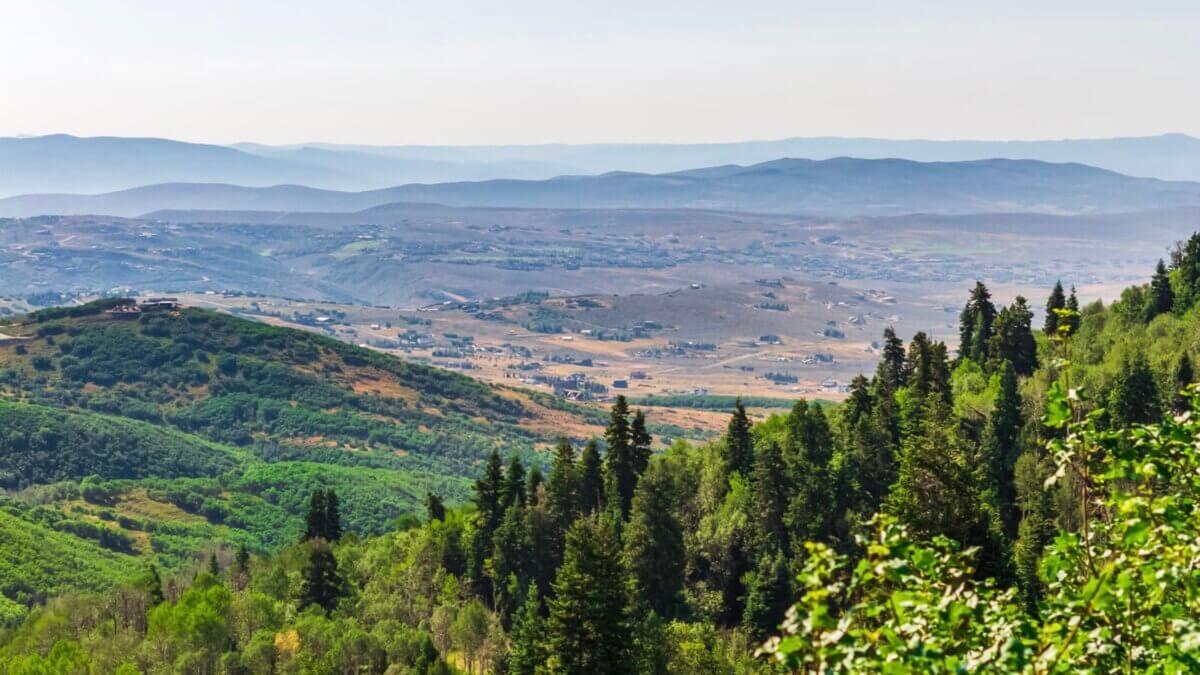
It starts with the land
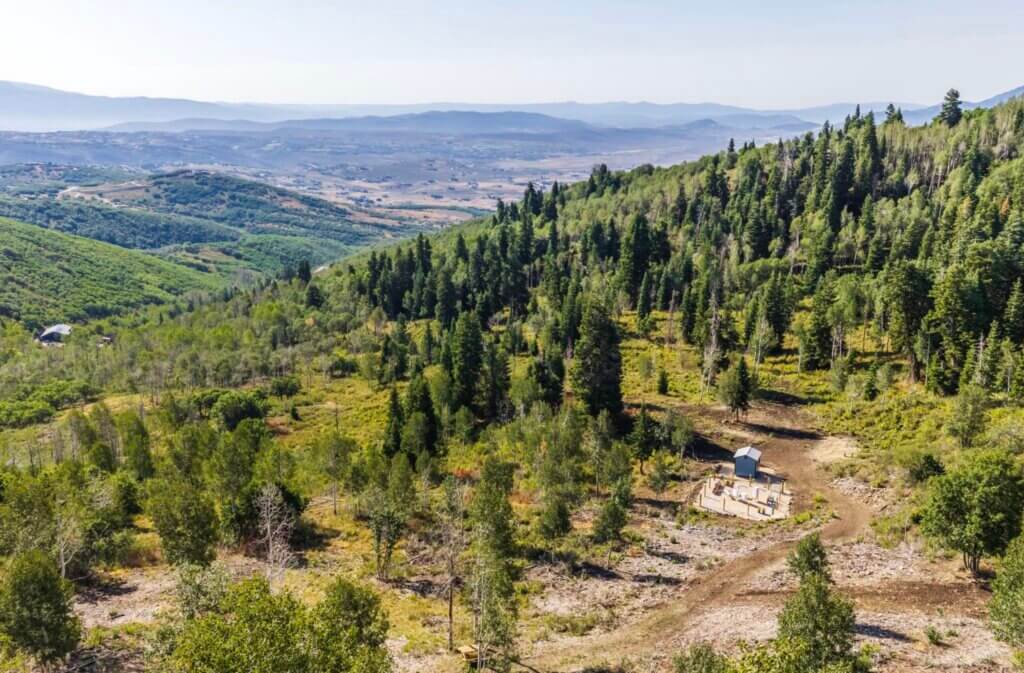
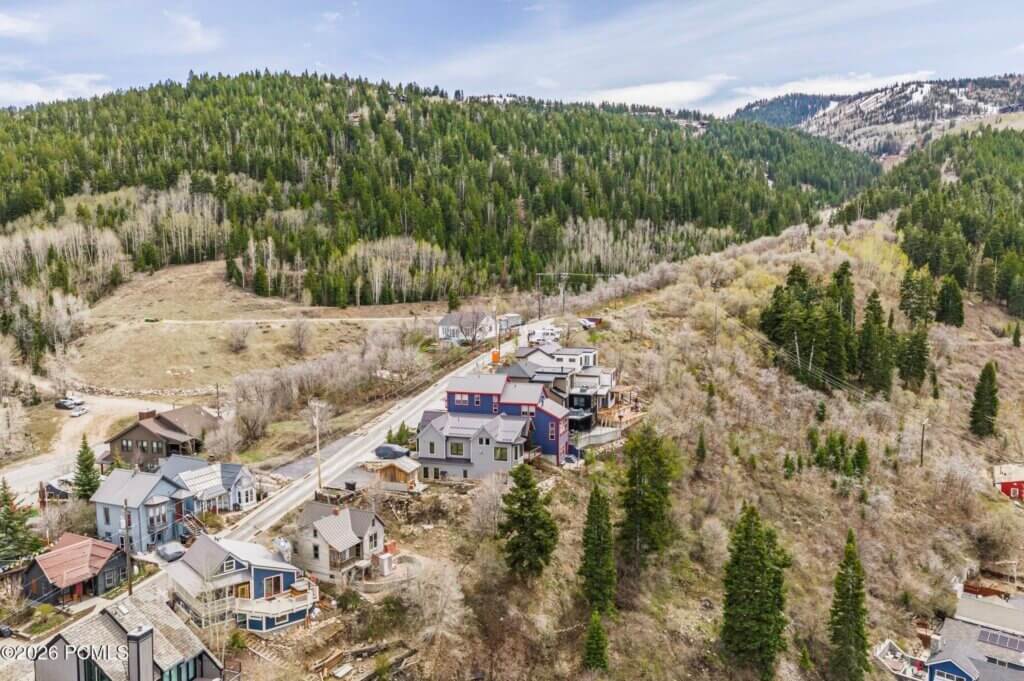
Before a builder can build, they need land, and around here land is expensive. There is only so much of it, and demand is high. Our geography, open space, existing development and conservation areas tighten the supply further.
So a new home can carry serious cost before construction even begins.
Then comes the cost to build
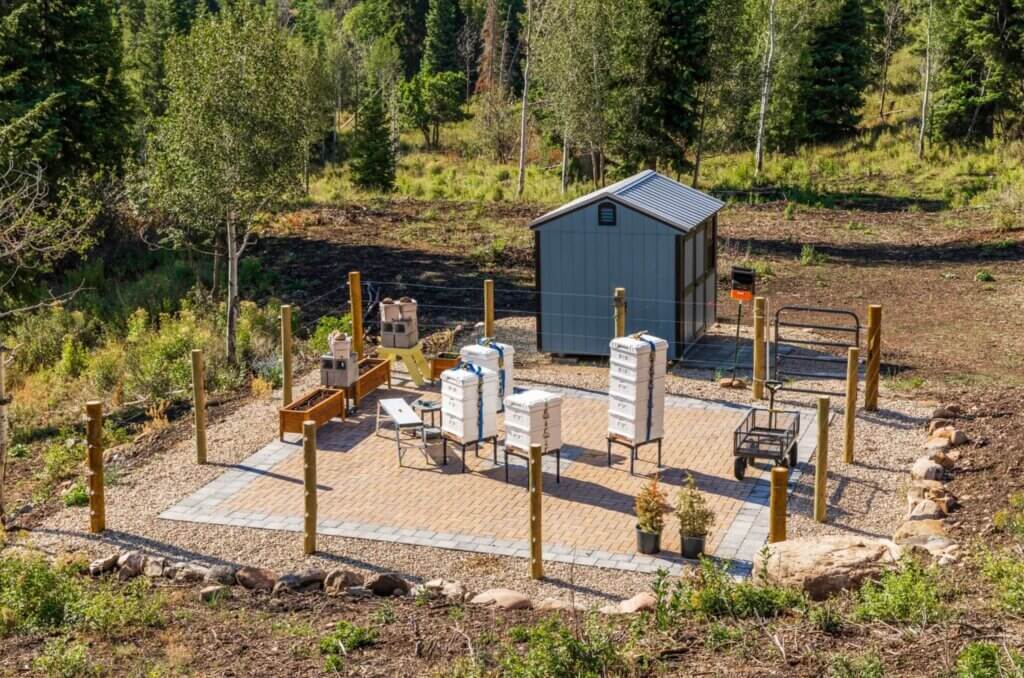
Labor, materials and financing have all gotten more expensive, and those costs end up in the price of the finished home. That is where the affordability conversation gets complicated. We need more housing, but when the cost of creating it starts high, adding units does not guarantee the units are affordable. That part tends to get lost when the answer is reduced to “just build more.”
Interest rates add another layer. Higher rates make projects more expensive for developers to finance and homes harder for buyers to carry. Even if the price never changes, a higher mortgage rate can raise the monthly payment enough to put that same home out of reach.
Price and affordability are not the same thing.
Park City feels this more than most places
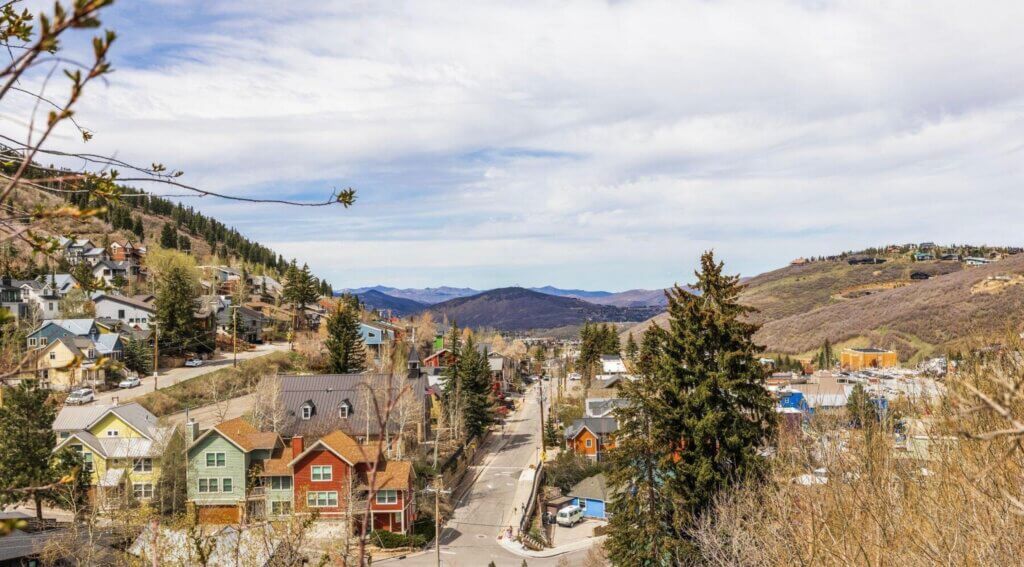
We have a large workforce that keeps this community running, and many of those workers cannot afford to live here. According to Summit County, roughly 21,000 workers commute into the county every day.
That number tells the story. The jobs are here, the workers are here, and the housing they can actually afford is somewhere else.
This is no longer only a lower-income issue. Teachers, firefighters, nurses, hospitality workers, small-business employees and other people this community depends on can earn solid incomes and still not find a home here that fits their budget. The gap between local wages and local housing costs is one of the hardest problems we face as Park City and Summit County grow.
The costs we don’t always see
Buyers rarely see everything built into the price. Before a neighborhood is finished, developers may pay for roads, water and sewer systems, utilities, drainage, engineering, studies, permits and other infrastructure.
Those requirements matter. We need roads that can handle growth, reliable water, adequate utilities and thoughtful planning, and we care about open space and the character of the towns we live in. All of it costs money, and that money becomes part of the project’s economics.
That is what makes this conversation hard. We want more housing, we want some of it to be affordable, and we want good infrastructure and responsible development at the same time. Those goals can work together, but getting there is rarely as simple as approving more units.
So what is the answer?
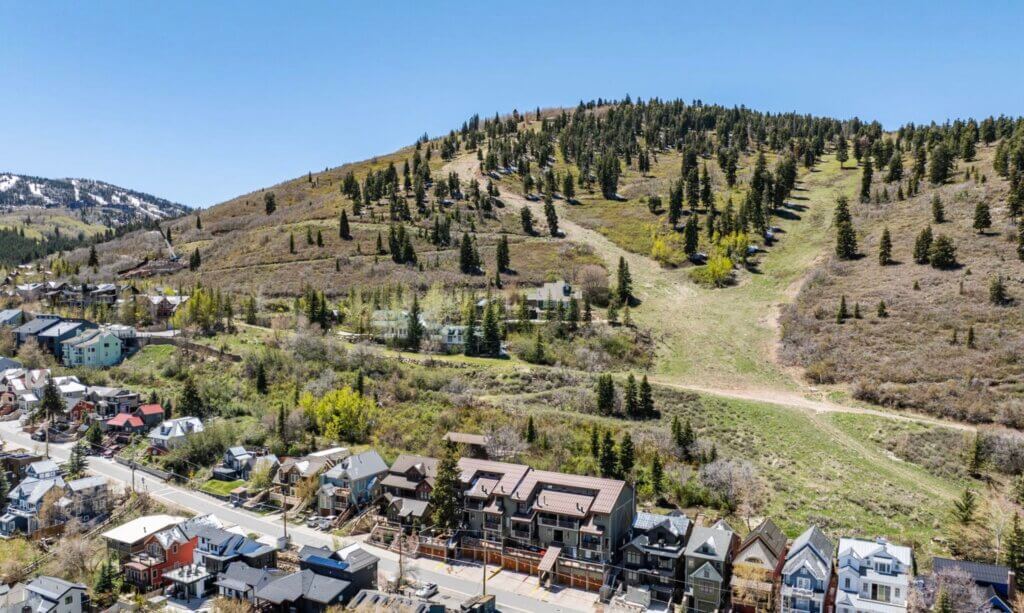
We do need to keep building. Utah is growing and the demand is not going away. But “build more” is only part of the equation. The bigger question is what that housing costs to create, and who can afford it once it is finished.
That is why Park City keeps looking at deed-restricted housing, public-private partnerships, density incentives and other tools built to close the gap between what housing costs to produce and what local workers can pay.
There is no single solution. But if we are going to keep talking about Utah’s growth, we also have to understand the economics underneath it. More people will mean more homes. The harder job is keeping some of those homes within reach of the people who live and work here.
Julie Snyder is a top Park City real estate agent and founder of Inhabit Park City, specializing in luxury homes, land, and lifestyle-driven properties. As a leading agent at Summit Sotheby’s International Realty, she has closed over $300 million in transactions and is known for her strategic pricing, strong negotiation skills, and high-touch client experience.
Julie combines deep local knowledge of Park City’s neighborhoods, schools, and outdoor lifestyle with a data-driven approach to help buyers and sellers make informed decisions. From legacy estates to full-time family homes, she guides clients through every step of the process with clarity, discretion, and results.
Why Park City land is drawing more buyers, and what makes 543 Upper Cove Road different
Is Park City, Utah a good place to live? What the people moving here say
Moving to Park City, Utah: what the growth numbers mean for buyers
BE IN THE KNOW! SIGN UP BELOW FOR LOCAL BUSINESS, MARKET, AND EVENT UPDATES.

Julie Snyder, INHABIT Park City Summit Sotheby's
TEL. 339-222-0935
EMAIL. julie@inhabitparkcity.com