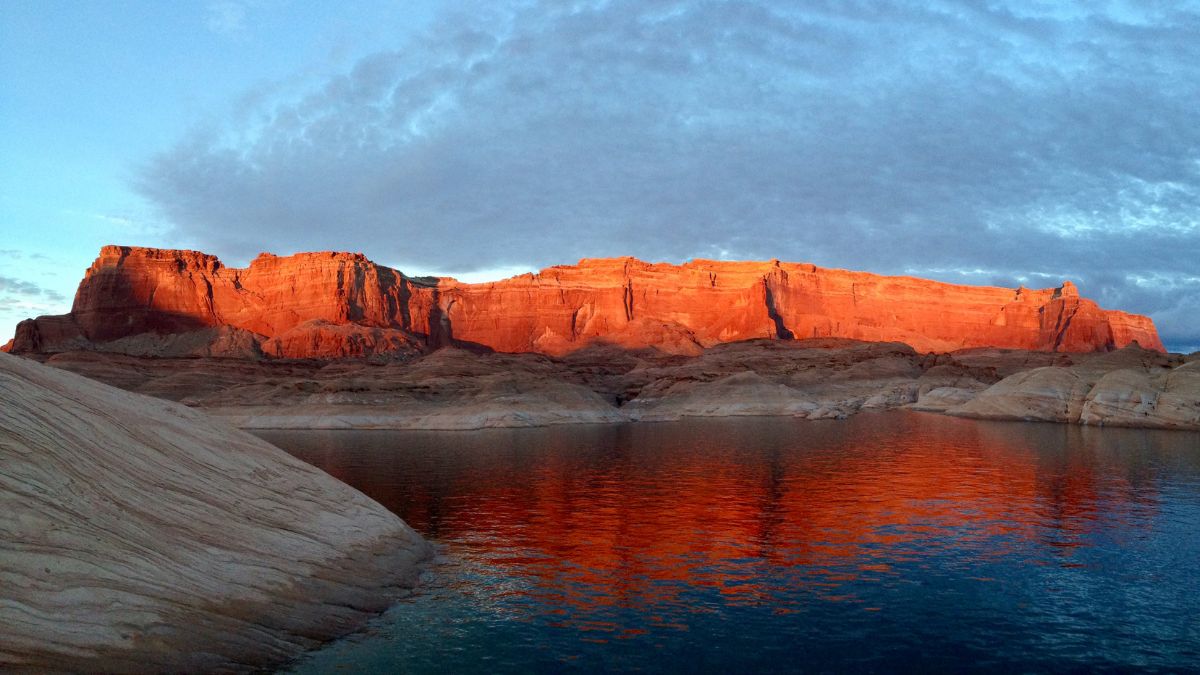
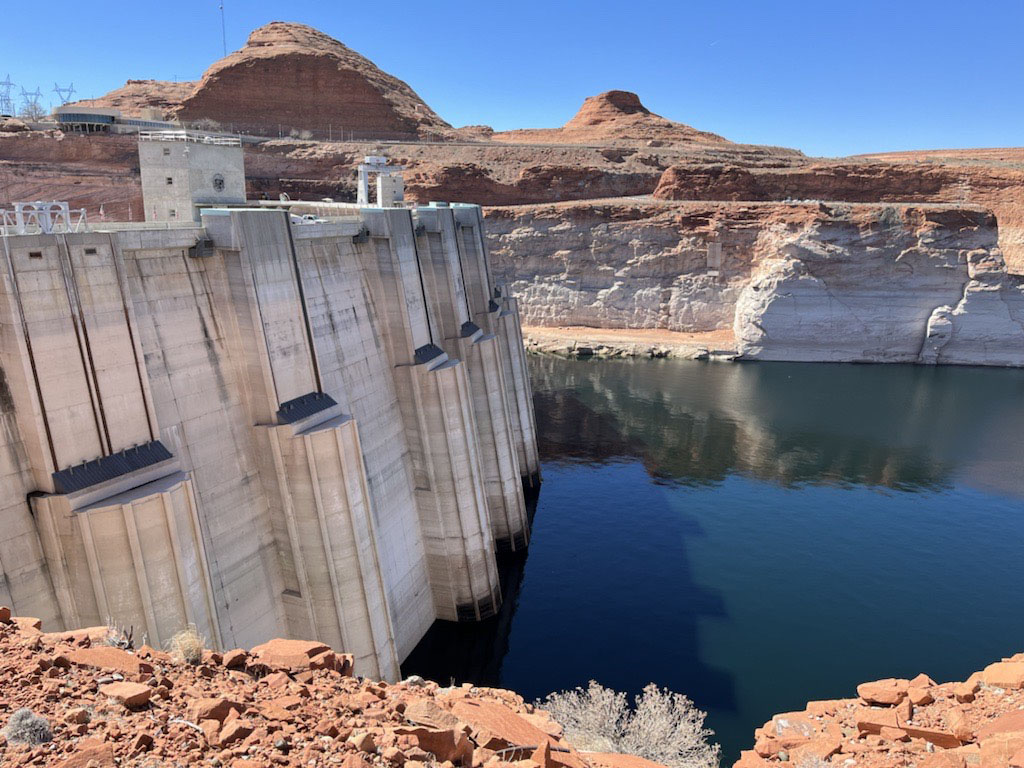
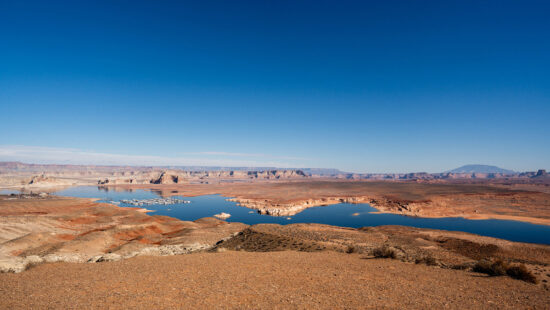
Federal officials tap Flaming Gorge Reservoir to keep Lake Powell above critical levels

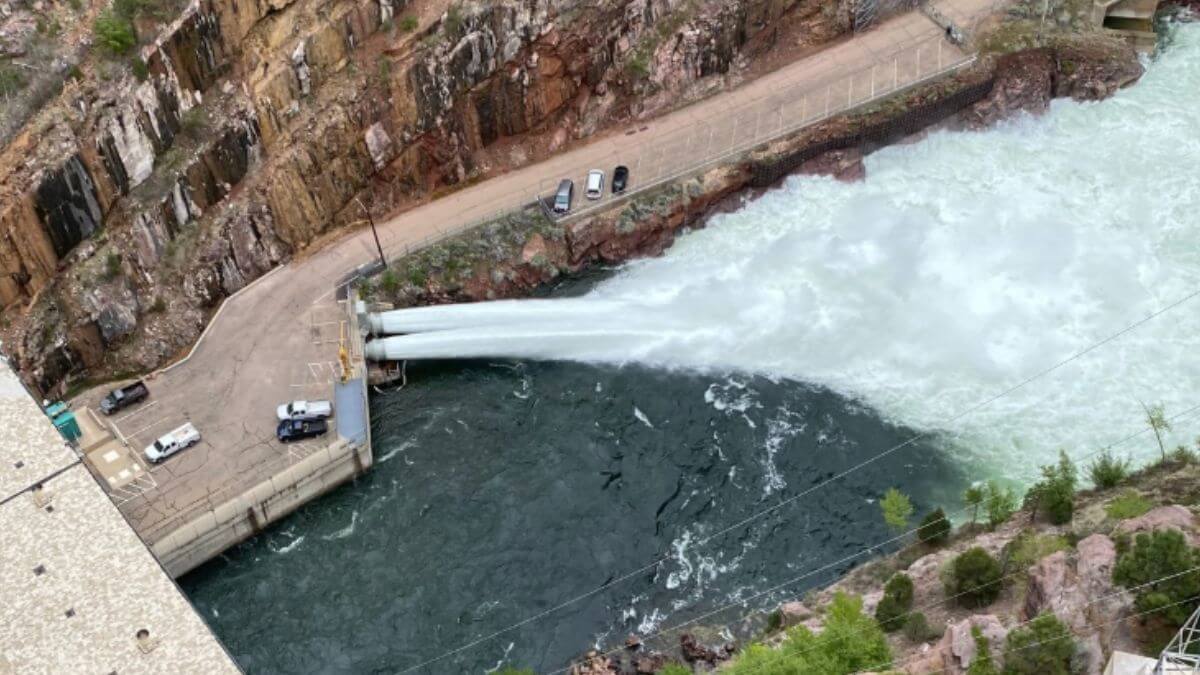
FLAMING GORGE — Federal water managers are preparing to send up to 1 million acre-feet of additional water from Flaming Gorge Reservoir downstream to prop up the rapidly declining Lake Powell and Glen Canyon Dam amid what officials describe as one of the worst hydrologic years on record for the Colorado River Basin.
The Bureau of Reclamation announced in April that the Colorado River system has fallen to roughly 36% of total storage capacity following years of drought, record-breaking heat, and the lowest winter snowpack on record.
Federal officials warned that without intervention, Lake Powell could fall below the critical “minimum power pool” elevation of 3,490 feet by August 2026 — a threshold that would jeopardize hydropower generation at Glen Canyon Dam and complicate water deliveries throughout the West.
To stabilize the system, the bureau plans to move between 660,000 acre-feet and 1 million acre-feet of water from Flaming Gorge Reservoir to Lake Powell through April 2027 under the 2019 Drought Response Operations Agreement.
At the same time, the agency intends to reduce annual releases from Lake Powell to Lake Mead by 1.48 million acre-feet, dropping total releases from 7.48 million acre-feet to 6 million acre-feet through September.
Interior Secretary Doug Burgum said the seven Colorado River Basin states are continuing negotiations as conditions worsen.
“I am grateful for the Governors and their teams working diligently to find a solution to the complex challenges created by these unprecedented drought conditions which require immediate action,” Burgum said in a statement.
Lake Powell’s forecasted inflow for the current water year is just 2.78 million acre-feet — only 29% of the historical average and among the lowest ever recorded.
Officials estimate the emergency actions could raise Lake Powell approximately 54 feet by spring 2027, helping keep the reservoir above critical elevations needed for hydropower operations and water management flexibility.
Impacts at Flaming Gorge
The releases will significantly affect Flaming Gorge Reservoir, which currently sits near 79% of live storage capacity. The bureau estimates the increased downstream deliveries could lower the reservoir by approximately 12.5 feet through September and as much as 35 feet over the next year.
Despite the drawdown, officials said all public boat ramps at Flaming Gorge are expected to remain operational through the 2026 summer season.
Flows below Flaming Gorge Dam are also changing dramatically.
Beginning May 15, the Bureau of Reclamation plans to increase releases to a spring peak of 4,600 cubic feet per second on the Green River. Officials warned the higher flows will create colder water temperatures and faster currents for anglers, rafters, and other recreationists.
“Water will be colder than usual and will run high and swift during periods of elevated releases,” Reclamation stated.
Officials are urging anyone recreating below the dam to use caution, avoid wading into swift water alone, and closely monitor river conditions.
Basin-wide consequences
The emergency actions are expected to ripple across the Colorado River Basin.
Federal officials warned that reducing releases from Lake Powell will accelerate declines at Lake Mead and could cut hydropower generation capacity at Hoover Dam by an additional 40% as early as this fall.
The bureau also anticipates recreation impacts across the basin, including reduced boating access at reservoirs, more difficult fishing conditions, and lower river flows through the Grand Canyon rafting corridor.
The operational crisis comes as the seven basin states — Arizona, California, Colorado, Nevada, New Mexico, Utah, and Wyoming — continue negotiations over a long-term Colorado River operating framework set to replace current agreements expiring at the end of 2026.
Federal officials said that if states cannot reach consensus, the Department of the Interior may impose operational decisions later this summer for post-2026 river management.


4251 E Lipizzan Jump
Moab, UT 84532