Sponsored
Altabank brings community-first banking to Heber Valley
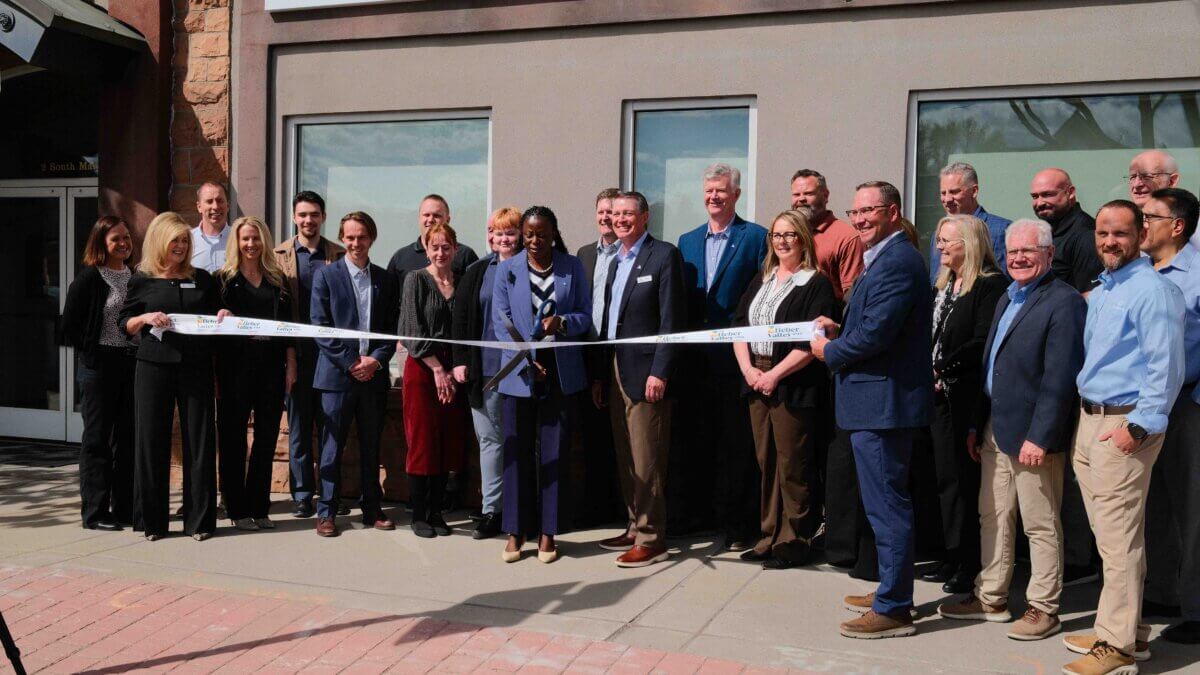
Photo: Altabank.
HEBER CITY, Utah — When Altabank opened its newest branch in Heber this past March, it marked more than a ribbon-cutting. It was the latest chapter in a story that began in 1905, when a small group of Cache Valley residents decided their community deserved a bank that actually understood them.
That first branch opened in Lewiston, Utah, with a simple premise: put decision-making in the hands of people who live and work alongside their customers. A decade later, the bank expanded south to American Fork. Today, with 25 locations stretching from Preston, Idaho, in the north to St. George in the south, the bank has grown considerably — but its founding philosophy has not changed.
“If you’re in Heber and you need to take out a loan or have some type of financial conversation, the bankers you’d be working with are based there in the community,” said Stan Sorensen, the bank’s chief marketing officer. “All of that decision-making is done right here in the state.”
That stands in contrast to large national banks, where fundamental decisions can require sign-off from hundreds of miles away and customer service calls are routed to generic call centers. At Altabank, Sorensen said, calling the Heber branch means talking to someone who actually lives there.
Banking for individuals, families and businesses
Altabank’s Totally Free Checking account comes with no minimums, no mandatory fees and no credit check requirement, making it accessible to anyone opening their first account. From there, the bank offers a full range of products as customers’ needs evolve: certificates of deposit, home equity lines of credit, and a mortgage lineup covering conventional, jumbo and government-backed loans. A one-time-close construction-to-permanent mortgage lets borrowers build a home without going through the closing process twice. Healthcare professionals can access a specialized loan product with a reduced down payment requirement, an acknowledgment that many new providers are still managing significant student loan debt.
On the business side, commercial customers have access to real estate and construction loans, equipment financing, lines of credit and a Treasury Management program covering fraud protection, merchant services and payment tools.
“We offer all of the services of the big banks without the overhead of the big banks,” Sorensen said.
Two student programs round out the bank’s retail offerings. Payday for Grades pays middle and high school students for earning A’s and A-minuses. First Summer Paycheck rewards students who bring in proof of their first summer job payment with a bonus deposit. Wasatch High School Wasps and Deer Creek High School Riverhawks branded debit cards are also expected to be ready by summer.
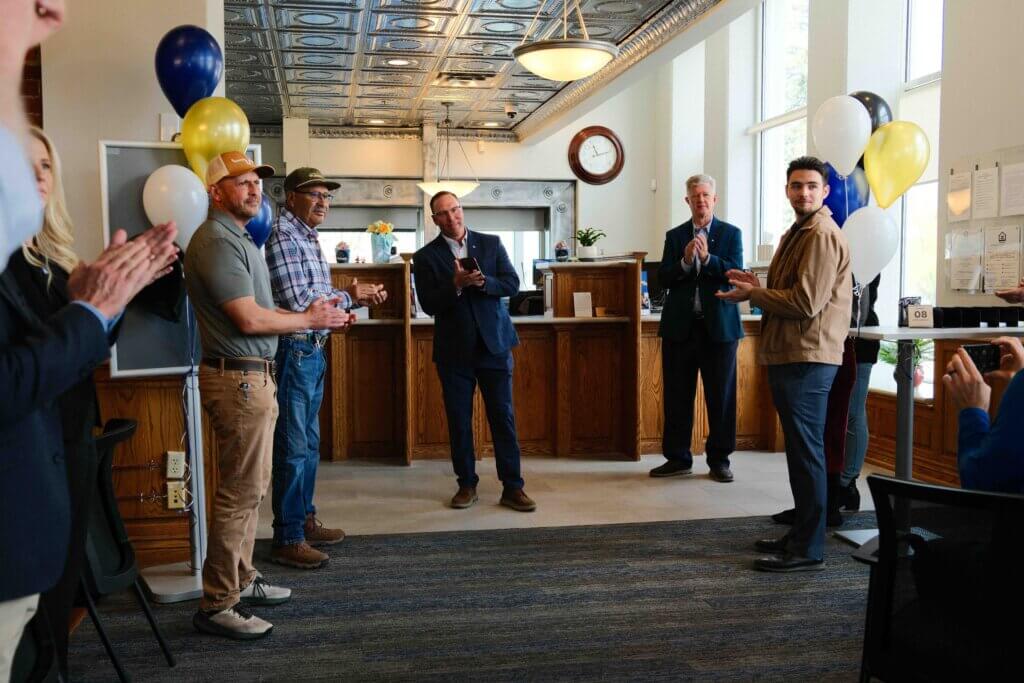
Rooted in the community from day one
The Heber branch has already established two local partnerships. The first is with the Wasatch County Parks and Recreation Department, which the bank will support through fair days and community events. The second is with both local high schools, where Altabank plans to sponsor athletic programs, offer financial literacy coursework at the middle and high school levels, and support student business clubs such as Future Business Leaders of America (FBLA).
At the statewide level, Altabank directs its philanthropic giving toward four areas: domestic violence prevention and awareness, affordable housing, youth mental health and food insecurity. In some regions, the bank funds food pantries inside high schools, a model it hopes to extend to Heber as the relationship with the community deepens.
A trusted partner, not just a transaction
Sorensen said the Heber branch is meant to be a community resource, not simply a place to deposit a paycheck. The bank’s staff welcomes anyone, account holders or not, who wants to walk in and talk through a financial question, whether that’s a senior trying to understand an automatic payment on a statement, a young person opening their first account or a small business owner exploring financing options.
“Our bankers really see themselves as people who are making a long-term investment and want to have long-term relationships in the community,” Sorensen said. “We want to be a trusted partner rather than a transactional partner.”
By: Sponsored by Altabank


597 Deer Valley Loop Road
Park City, UT 84060
2154 S Rio Verde
Moab, UT 84532
2475 W White Pine Lane
Park City, UT 84060
2400 E Walker Lane
Holladay, UT 84117
137 W Bridlewood Lane
Midway, UT 84049Talk of the Town


Park City Jobs

Dog Walker, wagging tails on the trails
1 day ago Part time $20.00 - $25.00 hourly


Architect/Architectural Designer, Vera Iconica Architecture
3 days ago Full time $60,000 - $95,000 yearly
Assistant Pit Master, Lush's BBQ
3 days ago Part time $20.00 - $25.00 hourly

Chef de Cuisine, Washington School House Hotel
4 days ago Full time $50,000 - $60,000 yearly