Wild Wasatch: Phenology and the timing of spring

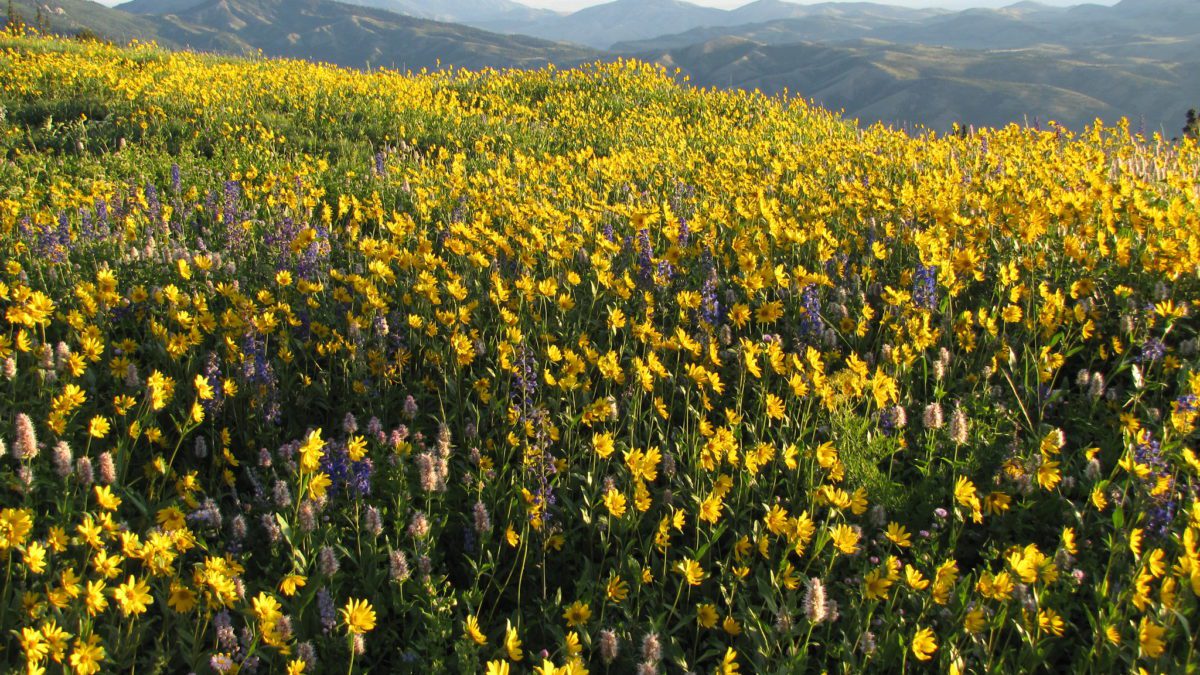
Phenology is the science of seasonal change — and this year, Utah’s early thaw is shifting when wildflowers bloom, insects move, birds return and wildlife raises young.
PARK CITY, Utah — Spring in the Wasatch does not arrive all at once. It follows a pattern.
That pattern has a name: phenology, the study of seasonal changes in the natural world, including flowering, migration, breeding, nesting, and emergence.
This year, that timing is being pulled forward by an unusually early thaw.
Utah’s snowpack peaked March 9 at 8.4 inches of snow water equivalent, the lowest on record and about three weeks early, according to the Utah Division of Water Resources. The division reported on April 23 that, in a typical year, Utah’s runoff would just be getting underway, but peak runoff has already passed after record-low snowpack and record-high temperatures. Statewide stream flow runoff is expected to be about 50% of normal, according to the division’s snowpack update.
The early thaw changes the timing of everything else.
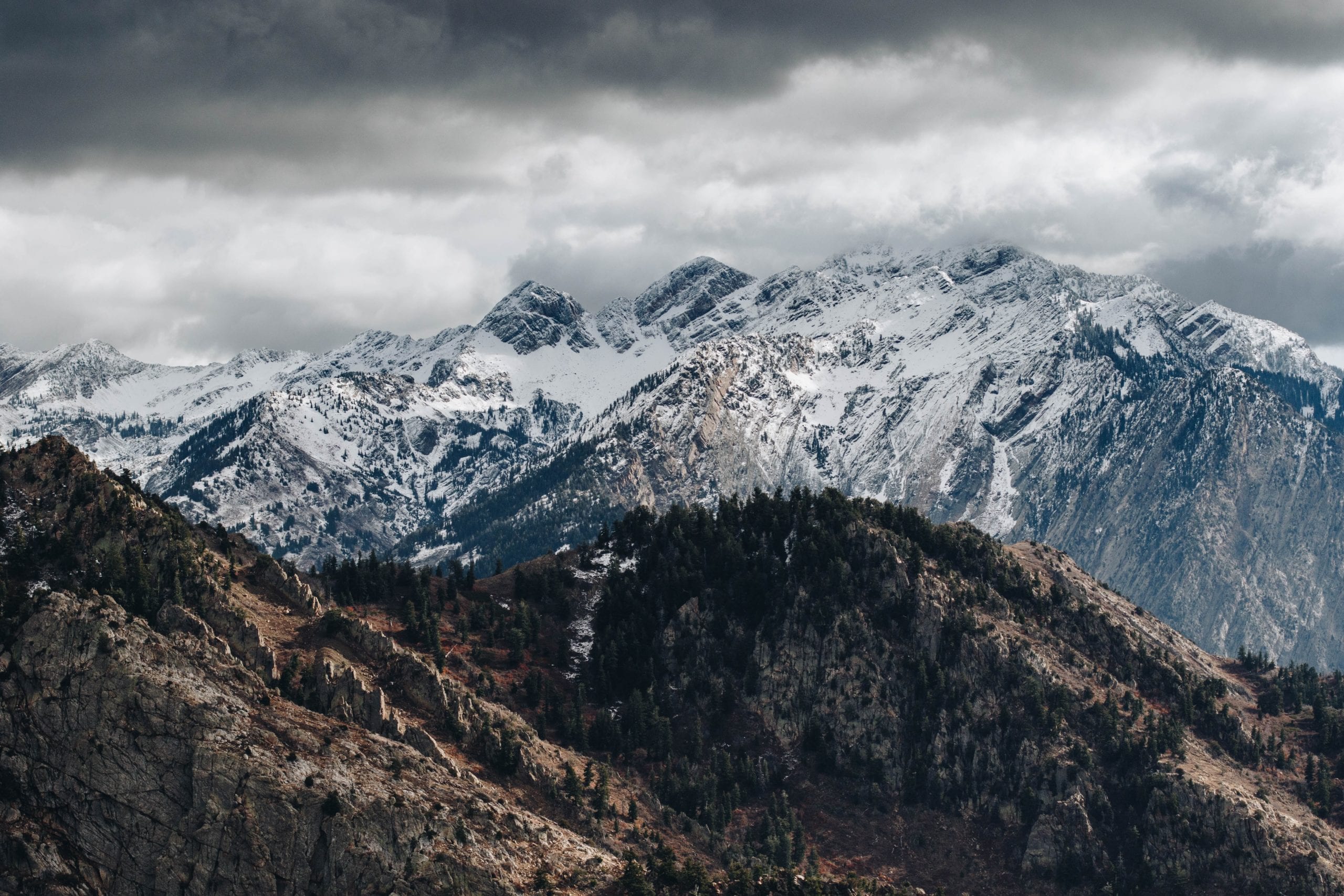
In the mountains, phenology is evident in elevation, slope, and snowline. South-facing hillsides soften first. Snow pulls back from sagebrush, grass, and trail edges. A trail may still be buried around one bend, while another is already showing green.
The first signs are often low to the ground.
The U.S. Forest Service identifies yellow bells, also known as yellow fritillary, as one of the West’s early spring wildflowers, often appearing soon after snowmelt. Utah State University Extension describes yellow bells as April bloomers on drying hillsides and near canyon mouths.
Wild About Utah, a Utah Public Radio program produced with Utah State University’s College of Natural Resources, describes glacier lilies as another early-season flower in northern Utah, often appearing near the edge of receding snowbanks.
Those early flowers are not just seasonal markers. They are part of the first food web of spring.
As temperatures warm, native bees, flies, beetles, and other insects begin moving. Early blooms provide nectar and pollen. The insects, in turn, help feed birds and other wildlife emerging from winter.
Bird migration is another visible stage in the same seasonal sequence. The Utah Division of Wildlife Resources says robins, hummingbirds, mourning doves, songbirds, and raptors move through Utah during spring migration. Some birds return to their nests. Others are passing through, following food, open water, and favorable weather.
The thaw also brings back a quieter chorus.
Amphibians depend on water, and spring is an important season for Utah’s native frogs, toads and salamanders. The Utah Division of Wildlife Resources has noted that Utah is home to native amphibians, including frogs, toads, and salamanders, many of which become more active as temperatures warm. Wild About Utah describes the boreal chorus frog as one of Utah’s most common native frogs and says its spring call sounds like running a fingernail along the teeth of a comb.
Mammals follow the season in their own way.
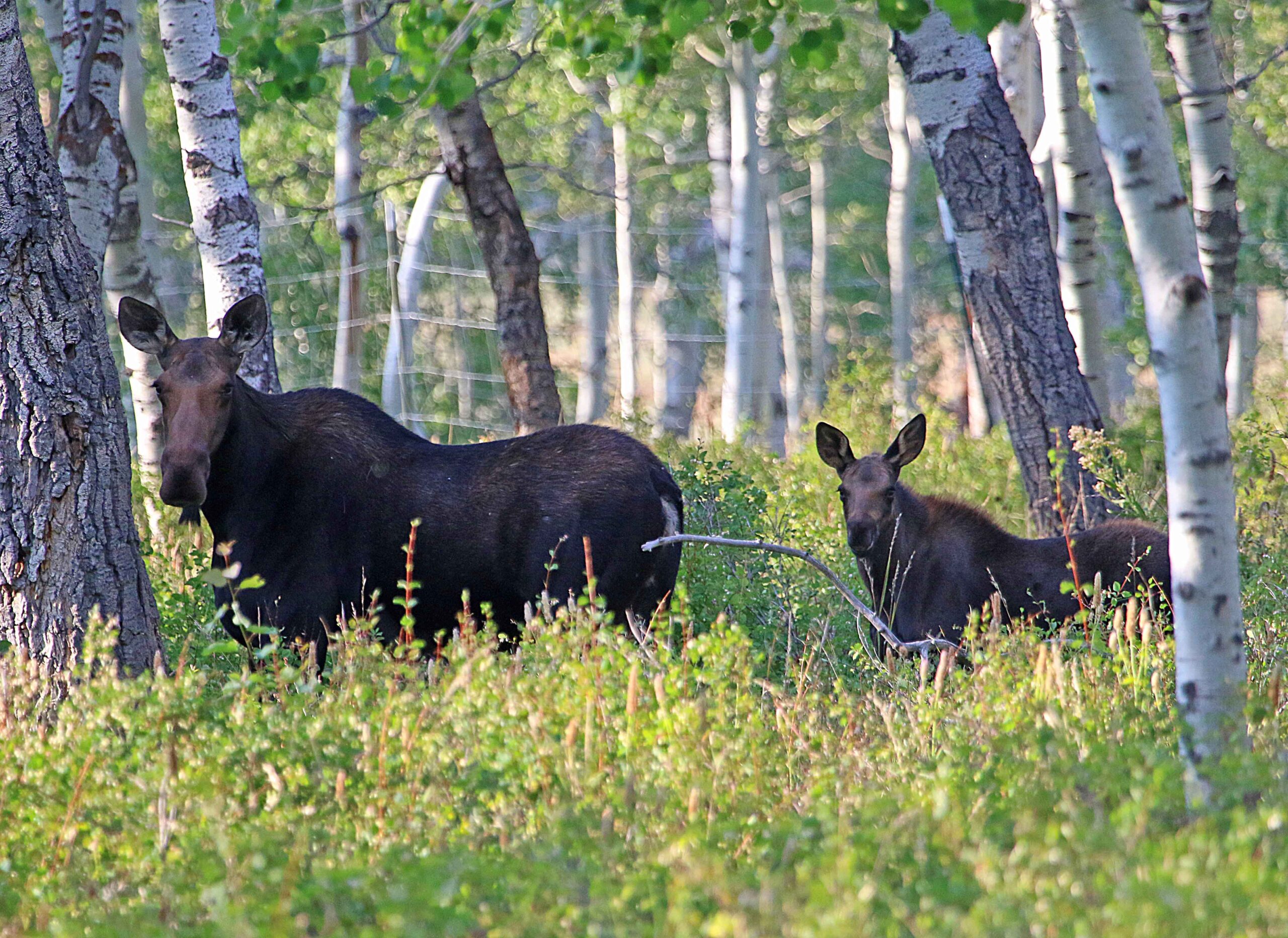
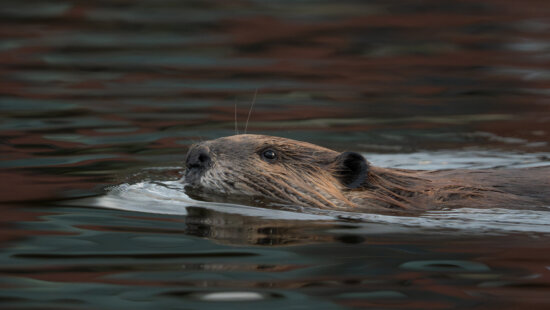
Moose, deer, elk, foxes, squirrels, and chipmunks are not all waking from true hibernation, but their behavior changes as snow recedes. Some move more widely. Some follow new growth. Some begin raising young.
The first awakenings of the Wasatch are easiest to see by slowing down. Look for early wildflowers where the snow has just retreated. Listen for birdsong in the morning and frog calls near wetlands or ponds. Watch for pollinators on warm afternoons. Stay on trails, leave flowers in place, keep dogs under control, and give wildlife room.
Spring in the Wasatch is not one event. It is a sequence.
First, the snow retreats. Then the soil loosens. Flowers open. Insects move. Frogs call. Birds return. Young animals appear, often hidden in plain sight.
Phenology is the science of that timing. In the Wasatch, it is also the story of how the mountain wakes — and this year, the mountain is waking early.


2266 E Garfield Avenue
Salt Lake City, UT 84108