Environment
State warns of ‘uncharted territory’ as Utah water officials brace for driest summer on record

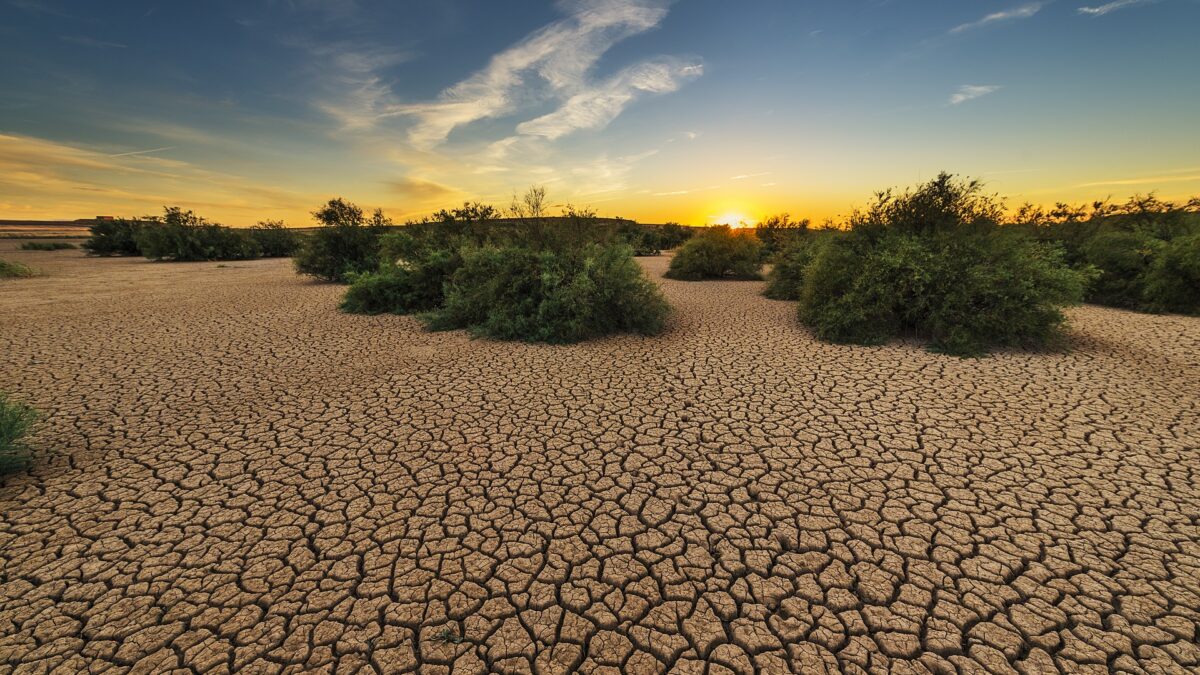
Small businesses and non-profits affected by drought conditions in Summit County can now apply for federal loans. Photo: Utah Division of Water Resources
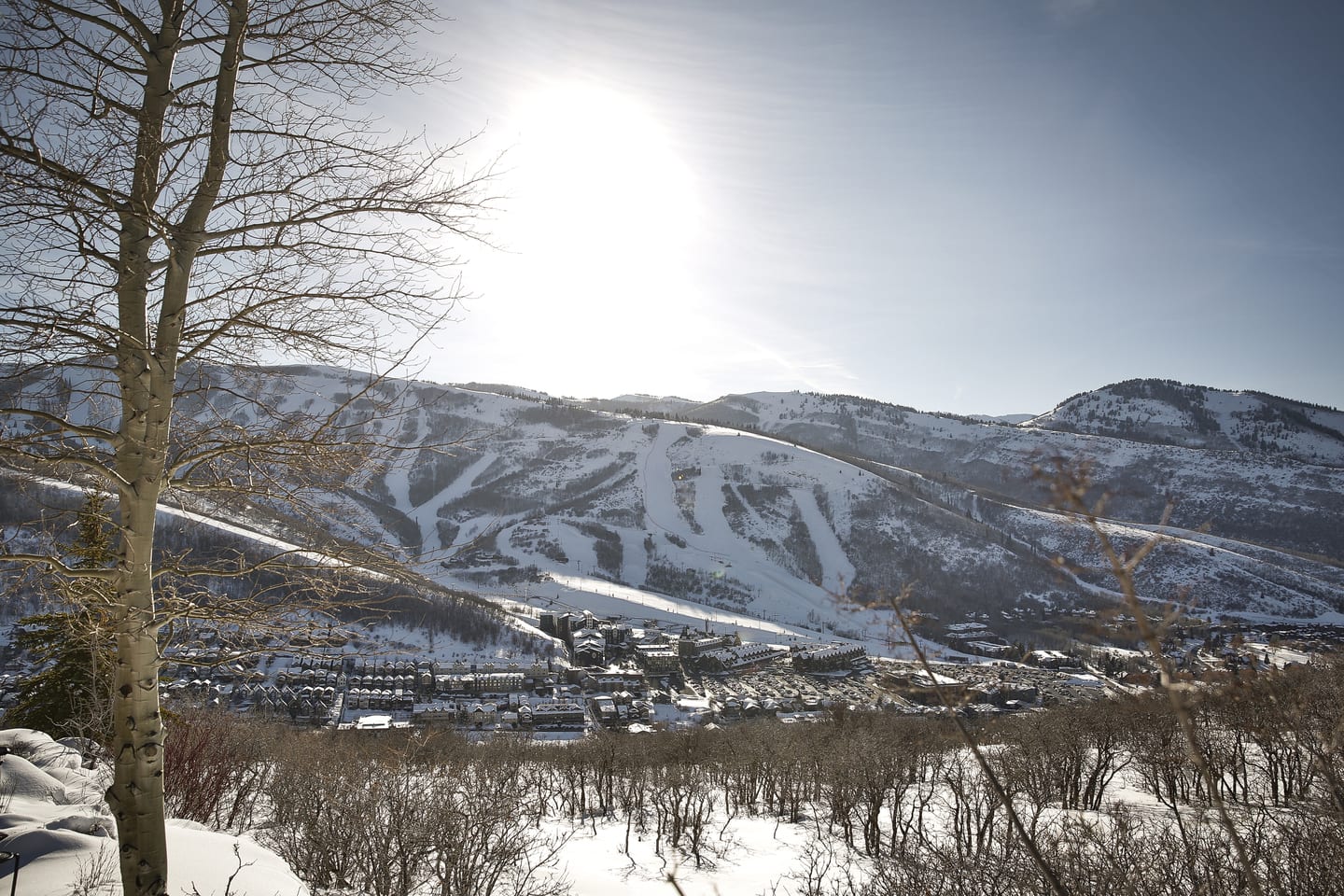
PARK CITY, Utah — Utah’s record-low snowpack has already peaked and melted out early, leaving water managers to prepare for a summer shaped by drought, diminished streamflow, and heavier reliance on reservoir storage.
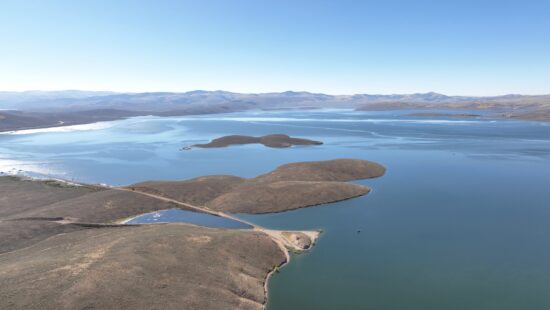
In a typical year, Utah’s spring runoff — the melt that refills reservoirs and sustains rivers through the dry season — would just be getting underway. But the Utah Division of Water Resources said Thursday that record-low snowpack and record-high temperatures have pushed peak runoff past. Larger reservoirs with multiple years of storage remain in better shape, while smaller reservoirs with one or two years of capacity are struggling, according to the state’s April 23 drought update.
Systematic snowpack records in Utah go back to about 1930, beginning with manual mountain measurements and later expanding to automated SNOTEL stations, said Jordan Clayton, data collection officer supervisor for the Utah Snow Survey, in a Utah Department of Natural Resources video. Across that record, Clayton said, Utah has never seen an April 1 snowpack as low as this year’s.
“This is uncharted territory,” Clayton said.
Clayton said about 95% of the water used in Utah comes from snowpack, making both the amount stored in the snow and the share that reaches streams, reservoirs, and water systems critical heading into summer.
The Natural Resources Conservation Service’s April 1 Water Supply Outlook Report found every major basin in Utah had record-low snowpack as of April 1, with some basins nearly melted out, according to the Division of Water Resources. Statewide streamflow runoff is expected to come in at about 50% of normal, and natural inflows from the Colorado River into Lake Powell are expected to be 40% of normal this year.
The concern extends beyond snowpack totals. Clayton said 12 of Utah’s 19 major basins are forecast to produce summer water supplies in the bottom 10% of historical observations, with some expected to fall into the bottom 5%.
Drought conditions have also deepened. As of April 23, 100% of Utah was experiencing some form of drought,, and 59% was in extreme drought. Reservoir storage averaged 72% full statewide, slightly above normal for this time of year but down from 82% a year ago.
The bleak forecast follows a winter TownLift has been tracking for months. In January, Utah’s snowpack was already behind schedule as warm storms pushed snowlines higher, with Drought.gov reporting that 62% of Utah’s stations were in “snow drought” as of Jan. 4.
By early February, Utah had set a new record-low statewide snowpack, with 31 of the state’s 140 SNOTEL sites reporting record-low snow water equivalent and 12 more reporting their second-lowest readings. Summit County was among the areas of concern because it sits near the headwaters of the Weber and Provo river systems and depends on snowpack in the Uinta Mountains for downstream supply.
Later that month, state officials said Utah had only about a 10% chance of reaching a normal snowpack peak without sustained storms through early April. Joel Williams, director of the Division of Water Resources, said at the time that reservoirs would likely be needed to carry the state through summer demand.
Conditions worsened in March. Utah’s snowpack peaked March 9 at 8.4 inches of snow water equivalent — more than three weeks early, and about half of what the state typically sees by the beginning of April. The winter was also Utah’s warmest on record by 2.2 degrees, with Salt Lake City surpassing its previous record by more than 7 degrees.
Warm conditions matter because snowpack functions as Utah’s natural reservoir, storing water in the mountains and releasing it slowly into rivers, reservoirs, and aquifers. When storms fall as rain instead of snow, or when snow melts too early, the state loses that slow-release benefit.
Early melt has implications beyond drinking water and irrigation. TownLift reported in March that Utah’s record-low snowpack and unusually warm winter could contribute to an earlier, potentially more intense wildfire season, according to Bradley Washa, a wildfire specialist with Utah State University Extension.
National drought experts have described the broader western pattern as a “dire water supply situation,” noting that the April 1 snow water equivalent is a primary indicator of spring runoff. In Utah, snow water equivalent across all major basins was below 50% of the median in early April, with many areas experiencing record early meltout, according to Drought.gov.
State water officials are now asking county leaders and water providers to review drought contingency plans and consider whether local drought declarations are warranted.
“To address extreme drought, we are asking county leaders to coordinate with water providers and review drought contingency plans and consider if a county-specific drought declaration is warranted,” Joel Ferry, executive director of the Utah Department of Natural Resources, said in the April 23 update. “While the state remains a resource for data and guidance, water planning — including any potential restrictions — takes place on a local level to reflect conditions in the area.”
The state’s Drought Response Committee is monitoring conditions and could recommend a statewide drought declaration to Gov. Spencer Cox if conditions warrant. Any such declaration would remain in effect for 30 days unless extended by the Legislature.
For now, officials are urging water providers, farmers, cities, and residents to prepare for a dry summer and conserve where possible. The Department of Natural Resources continues to direct agricultural producers to the Agricultural Water Optimization Program and residents to Slow the Flow for water-saving guidance.
Clayton said the stakes reach across agriculture, municipal systems, industry, and everyday household use.
“Everybody needs the water,” Clayton said. “So we just need to be really careful about how it gets used this year.”
By: Rebecca Brenner


10584 Basin Canyon Road
Park City, UT 84098
19 East 100 North
Spring City, UT 84662
965 Goshen Canyon Road
Mona, UT 84645
24 South 600 East
Salt Lake City, UT 84102Talk of the Town


Park City Jobs

Ski Instructor / Snowboard Instructor, National Ability Center
Today Seasonal $20.00 - $23.00 hourly

Social Media Videographer & Editor, Well Plated
2 days ago Contractor $3,000 - $5,000 monthly

Showroom Specialist, Tanner Glass & Hardware
2 days ago Full time $25.00 - $30.00 hourly
Head of Maintenance, Ptarmigan Property Services
2 days ago Full time $70,000 - $85,000 yearly

Assistant Manager, LOMA
10 days ago Full time $35.00 hourly