Box Elder County delays vote on MIDA data center project, citing transparency concerns

BOX ELDER COUNTY, Utah — A high-stakes county planning commission discussion over one of the largest proposed data center projects in the country was postponed today, after local officials said they were blindsided by the scope of the plan and the state’s involvement.
The delay underscores growing tension between Box Elder County leaders and Utah’s Military Installation Development Authority (MIDA), which is advancing a massive “hyperscale” data center campus in the county’s rural northwest.
County commissioners had been expected to take up the project in a public meeting, but instead opted to push the discussion, citing a lack of transparency and communication from state officials and project developers. Around 80 people attended the meeting to protest the center.
The proposed development, known as the “Stratos” project, is being led by MIDA in partnership with investor Kevin O’Leary and his company, O’Leary Digital.
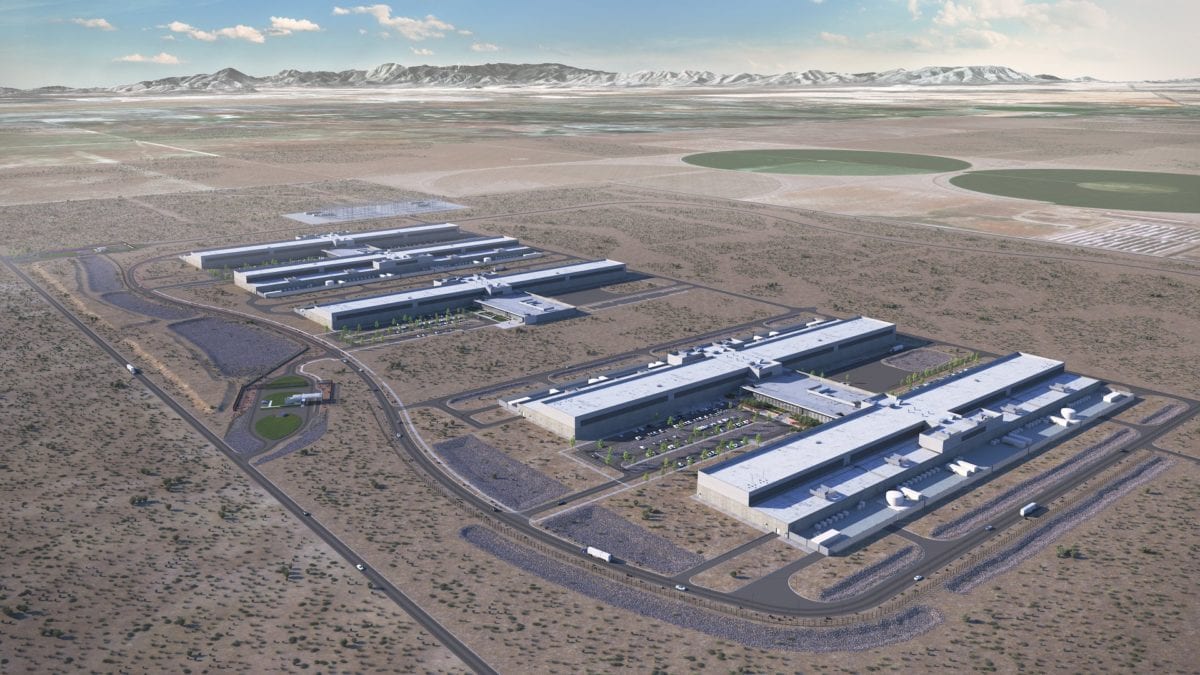
Plans call for a sprawling data center campus covering tens of thousands of acres in Box Elder County. As reported by The Salt Lake Tribune, the facility could eventually generate and consume more electricity than the entire state of Utah — up to 9 gigawatts at full buildout.
According to project leaders, the center would be largely self-powered using natural gas and connected to existing interstate pipeline infrastructure, rather than relying on the state’s traditional electrical grid.
State leaders and MIDA officials have framed the development as a once-in-a-generation economic opportunity tied to the global race for artificial intelligence infrastructure. The board that oversees MIDA voted to move the multibillion-dollar project forward quickly and charge far lower taxes than usual.
But county officials say they were left out of critical early conversations.
County pushes back on lack of transparency
According to reporting by the Salt Lake Tribune, commissioners postponed their meeting after expressing concern that MIDA and state leaders were not upfront about the extent of the project or how the county would be involved.
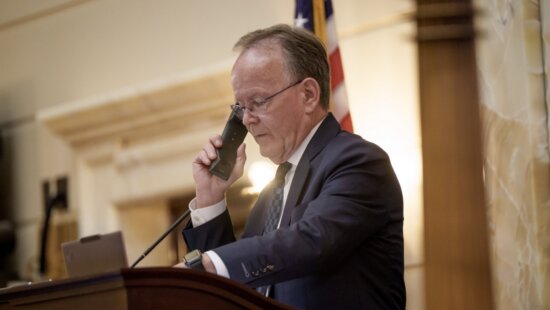
“The thing that’s so frustrating for us, for commissioners, is all of a sudden, we’re brought this in the last hour, and we’re expected to hurry,” Commission Chair Tyler Vincent said in the meeting, shortly before the three commissioners decided to table the decision.
Commissioner Lee Perry said the commission initially heard about the project as “rumors” circulating during the most recent legislative session, before it was formally presented to them by the MIDA.
Local leaders indicated they needed more time to understand the scale, impacts, and governance structure of the proposal before moving forward.
That tension highlights a recurring issue in Utah: MIDA operates with unique authority granted by the state Legislature, allowing it to oversee large-scale developments — sometimes with limited local control.
Big promises, big questions
MIDA officials have pitched the project as transformational.
Supporters say the development could generate tens of millions of dollars annually for Box Elder County and create thousands of jobs once operational.
But the project also raises significant concerns — particularly around energy use, environmental impacts, and tax incentives.
To attract the development, MIDA approved a sharply reduced energy tax rate and agreed to rebate a large portion of property tax revenue back to the developer, as reported by The Salt Lake Tribune.
Meanwhile, the sheer scale of the project has intensified scrutiny over how Utah will meet growing energy demands tied to the AI boom.
What comes next
The next meeting to vote on the project was scheduled for next Monday, May 4, at 4 p.m. Rather than their typical space, the meeting will be held at the Box Elder County Fairgrounds Fine Arts Building to accommodate the expected crowd.
Though the project has been largely led by the state and MIDA, it still requires key approvals from Box Elder County, meaning local officials retain leverage.
The delay signals a clear message from county leaders: before moving ahead on one of the largest data center developments in the country, they want public input from residents, answers to key questions, and a seat at the table.


4251 E Lipizzan Jump
Moab, UT 84532