May night sky: Two full moons, one meteor shower, and a rare Blue Moon

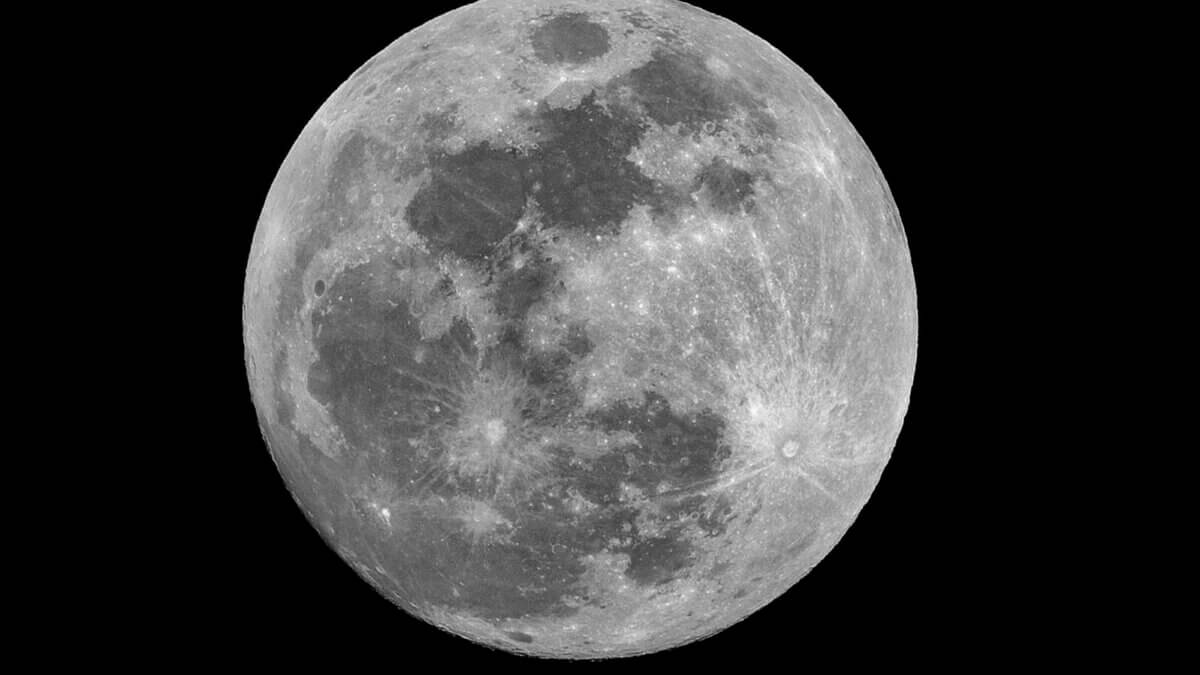
PARK CITY, Utah — May opens and closes with a full moon this year, giving skywatchers two bright lunar nights and a rare Blue Moon before the month is out.
The first full moon, known as the Flower Moon, rises on May 1, according to The Old Farmer’s Almanac. The name reflects the bloom-heavy stretch of spring, when wildflowers, trees, and gardens push into fuller color across much of North America.
May’s second full moon arrives May 31, making it a Blue Moon, according to NASA. A Blue Moon refers to the rare occurrence of a second full moon in a single calendar month, not to the moon’s color.
The Old Farmer’s Almanac notes that the May 31 full moon will also be a micromoon, occurring shortly before the moon reaches apogee — the point in its orbit when it is farthest from Earth. The moon may appear slightly smaller than usual, though the difference can be difficult to detect without careful observation.
May also brings the Eta Aquarid meteor shower, which peaks May 5-6, according to NASA. The shower is one of the year’s regular meteor events, though The Old Farmer’s Almanac notes that the 2026 peak comes under a waning gibbous moon roughly 92% full, which could wash out many fainter meteors.
For the best chance of seeing meteors, NASA recommends finding a dark location away from city lights, lying flat with feet facing east, and giving the eyes about 30 minutes to adjust. The same advice applies in Summit County: darker skies, away from streetlights, porch lights, and traffic, make the biggest difference.
NASA’s general skywatching guide says five planets — Mercury, Venus, Mars, Jupiter, and Saturn — can be seen without a telescope under the right conditions, though visibility changes throughout the month and depends on the horizon, weather, and local light pollution. Planets tend to shine with steadier light than stars, which often flicker.
The moon remains the easiest May target. NASA says its changing phases reveal different surface features from night to night, especially along the terminator — the line between lunar day and night — where craters and mountain ranges stand out in sharper relief.
The dates to mark: May 1 for the Full Flower Moon, May 5-6 for the Eta Aquarid peak, and May 31 for the Blue Moon micromoon — a quiet bookend to a month that begins and ends in full light.