Rattlesnakes in Utah: What to know as snakes emerge this spring

UTAH — With warmer weather on the near horizon, the Division of Wildlife Resources is warning outdoor enthusiasts that rattlesnakes will begin emerging from their winter dens, and Utahns may encounter one while hiking or spending time outdoors.
Rattlesnakes in Utah
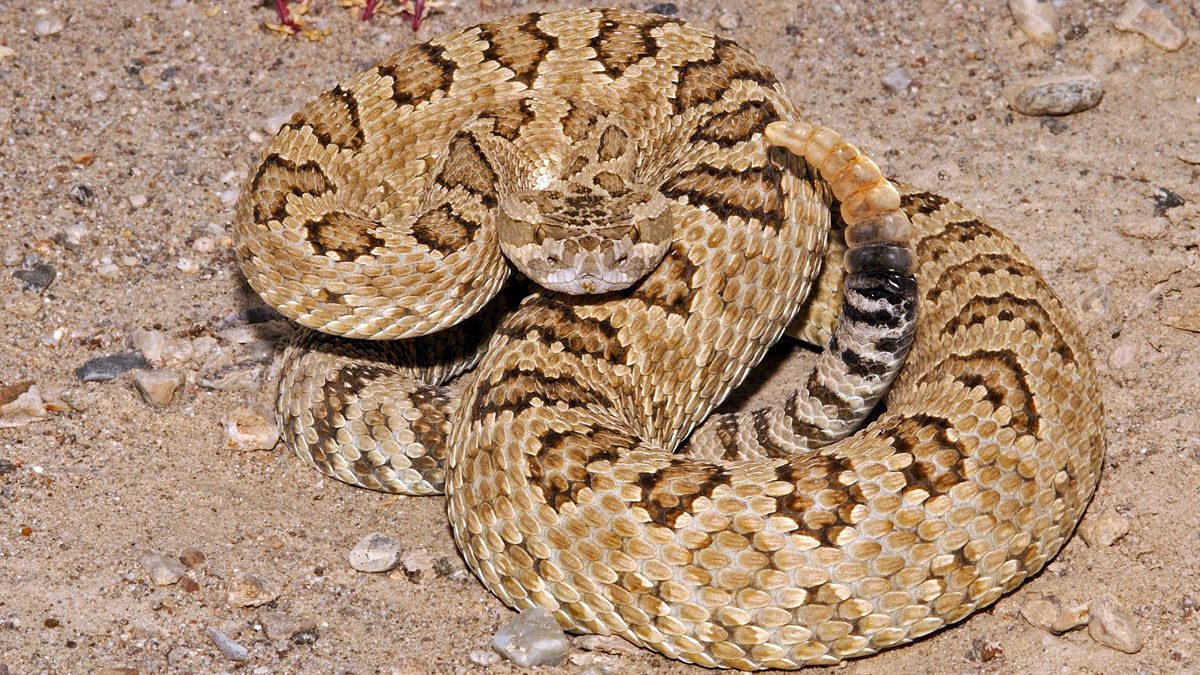
Native snakes are an important part of Utah’s ecosystem. There are five rattlesnake species in Utah, and the most common is the Great Basin rattlesnake, which is a subspecies of the Western rattlesnake. Rattlesnakes help to reduce diseases that are spread by rodents, and their dens may provide shelter for other snake species.
“It is important to become more knowledgeable about the rattlesnakes that you may encounter around your residence or during outdoor recreational activities,” Utah Division of Wildlife Resources Native Herpetology Coordinator Alyssa Hoekstra said. “Being aware of species you may encounter is a great way to be proactive in avoiding any unwanted interactions with rattlesnakes and prepares you to respond in a safe manner.”
Where you might encounter rattlesnakes
Rattlesnakes are most active during the late spring and early summer months. This is when they are on the move, looking for food, water, and mates, according to a release from the division. Although their activity levels peak at dawn and dusk, rattlesnakes can be encountered at all hours, especially in the spring.
Rocky benches, high-elevation slopes and dry canyons are the most common places in Utah to encounter rattlesnakes, often while people are out hiking, rock climbing, or biking. However, you may also encounter rattlesnakes at lower elevations and in open areas. Individual rattlesnakes move around a large area (known as their “home range”) and will usually move on from a specific location within a short period of time.
The division shared tips to help recreationists stay safe and aware while outside this spring and summer.
Rattlesnakes are protected under Utah law, making it illegal to harass or kill one. Rattlesnakes use their venom to subdue prey so they can eat it, and a snake will only bite defensively if it feels threatened.
Rattlesnakes do not chase people and will stop aggressive or defensive behavior once you are far enough away. Snake bites are quite rare, and harassing or trying to illegally kill the snake greatly increases the risk of being bitten. Never corner a rattlesnake or get close enough for a bite to occur.
Officials encourage hikers to always watch the trail ahead and check carefully before stepping over rocks, reaching onto ledges, or sitting down on a rock or log.
“Like most wild animals, rattlesnakes fear humans and will do anything they can to avoid us,” Hoekstra said. “If a snake is feeling threatened, it may act in defense. The best course of action is to maintain a safe distance from rattlesnakes and other native snake species.”
If you do encounter a rattlesnake, the following tips from DWR can help you — and others — stay safe:
- Remain calm and stay at least 10 feet from the snake. Make sure to give it plenty of space. If the snake is in the middle of the trail, step off the trail and go around it.
- Do not try to kill the snake. Doing so is illegal and greatly increases the chance that the snake will bite you.
- Do not throw anything at the snake (rocks, sticks, etc.). Rattlesnakes may move toward you as they attempt to flee.
- Alert other people to the snake’s location. Advise them to use caution and to avoid getting close to the snake. Keep children and pets away.
- If you hear a rattle, try to locate where the sound is coming from before you react, so you don’t step closer to the snake or on top of it.
There is no need to kill a rattlesnake for fear of its return to an area. If you do repeatedly see a rattlesnake in a problematic area or if you encounter a rattlesnake in a public park, yard, or play area, contact the nearest DWR office to report it.
Helping prevent rattlesnake encounters with dogs
To avoid conflicts between dogs and rattlesnakes, division officials recommend keeping your dog on a leash — especially when you hike during the late spring and early summer months. Officials also encourage pet owners to do rattlesnake aversion training for the dog, which can help them learn to avoid rattlesnakes.
Pet owners should also be aware that not all emergency veterinary hospitals keep antivenom at their facilities. Be sure to check with the emergency veterinary hospitals in your area to learn which locations keep antivenom in stock, so you know ahead of time where to take your pet if it’s bitten by a rattlesnake.
What to do if you or someone you are with is bitten by a rattlesnake
Rattlesnake bites are a serious medical emergency and require getting medical attention at a hospital as soon as possible, according to DWR. Rattlesnake bites in the U.S. are seldom deadly, especially when the appropriate medical care is received.
If you are bitten by a rattlesnake:
- Do not attempt to suck the venom from the wound — this can introduce bacteria from your mouth to the bite and can increase the risk of infection.
- Do not apply heat, cold or a tourniquet to the bite; these steps may increase the risk of tissue damage.
- The best course of action is to remain calm and immediately go to the nearest hospital.
Keeping rattlesnakes out of your yard
Depending on where you live, you may occasionally find a snake in your yard. Here are some useful tips to help keep rattlesnakes out of your yard:
- Reduce the number of places that provide snakes with shelter. Brush, wood, rock, and junk piles are all things you should eliminate from your yard.
- Control rodent populations. Bird feeders may draw rodents to yards, which in turn can attract snakes.
- Block off crawl spaces. Large holes underneath sheds and porches can provide shelter for rattlesnakes.
- Don’t leave standing water in your yard. Rattlesnakes may come to water sources, especially during drought years.
Identifying a rattlesnake
Gopher snakes (also referred to as bull snakes and blow snakes) are very abundant in Utah. They are often mistaken for rattlesnakes due to similarities in their appearance and behavior. When alarmed, gopher snakes hiss loudly, flatten their heads into a triangular shape, curl their bodies into an S-like shape and vibrate their tails.
A rattlesnake’s tail is wide and blunt — and tipped with a rattle, hence the name. A gopher snake’s tail is slender, pointed and lacks a rattle. However, rattlesnakes may lose their rattles or sometimes may not rattle when they are disturbed. Do not count on a rattlesnake to reveal its presence by rattling.
Rattlesnakes also have broad, triangular-shaped heads and vertical eye pupils, while non-venomous snakes in Utah tend to have longer snouts and round pupils. If you cannot identify a snake you encounter, the best course of action is to move away and treat the snake as if it were venomous.


4251 E Lipizzan Jump
Moab, UT 84532