Swans, sweethearts, and spring migration: Where to see Utah’s most romantic birds

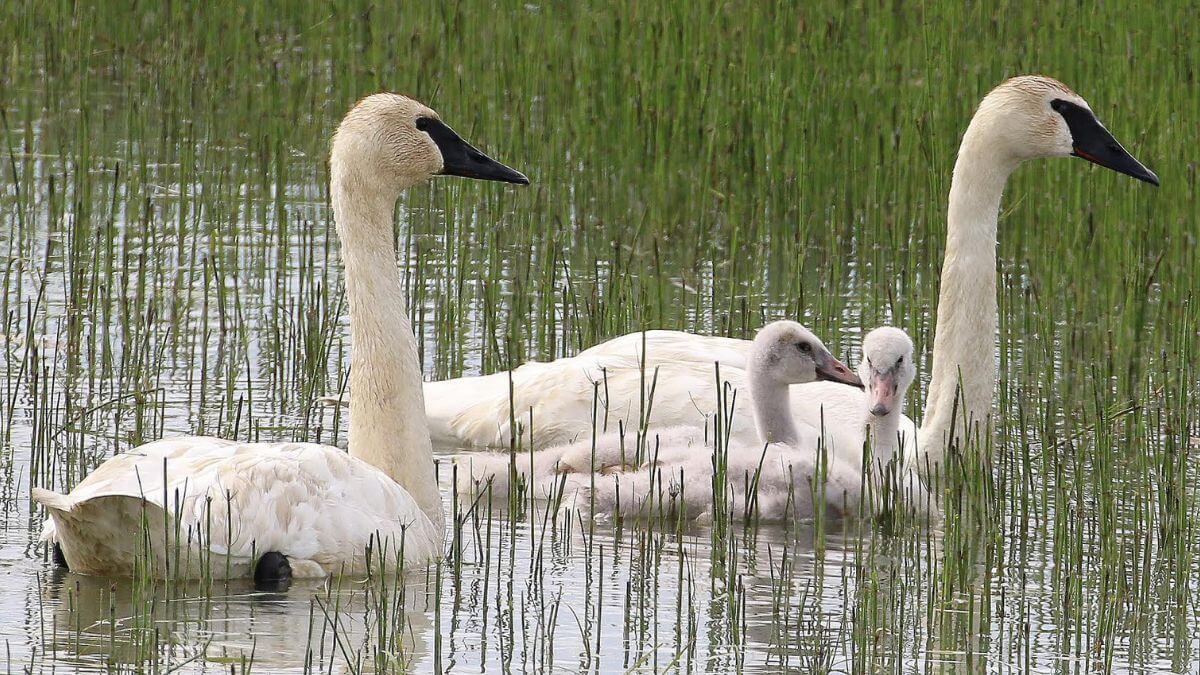
UTAH — With Valentine’s Day highlighting love stories of all kinds, Utah’s wetlands are preparing for one of their own: the annual return of migrating swans.
March marks peak migration season for tundra and trumpeter swans in northern Utah, and while Summit County isn’t a primary wetland stopover for the regal birds, residents are within a short drive of some of the state’s best viewing areas.
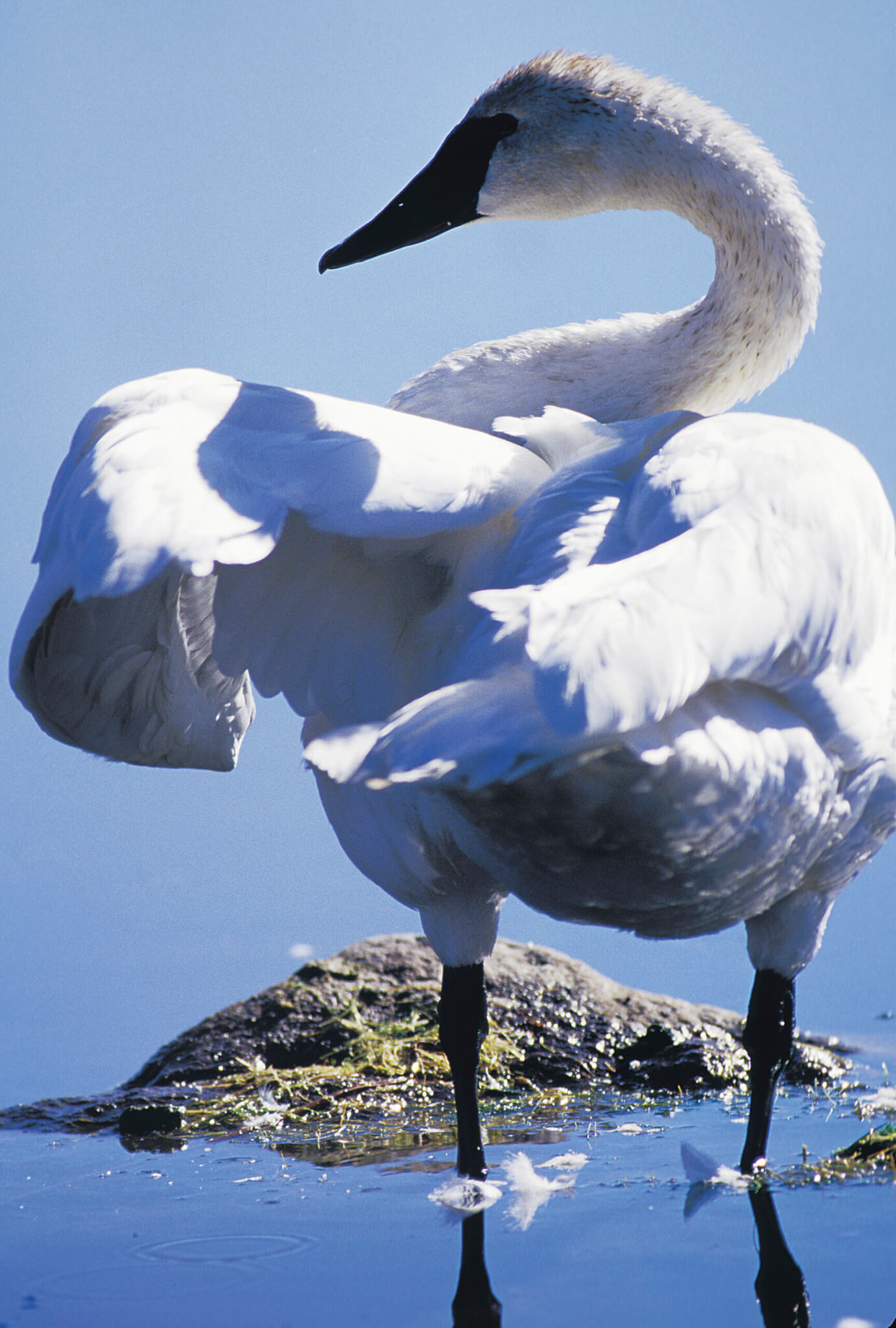
Each spring, swans pause in Utah’s marshes to rest and refuel on their journey north. Trumpeter swans are the largest waterfowl species in North America, with wingspans exceeding eight feet. They will be migrating from wintering grounds in California to nesting areas in Canada and Alaska. Tundra swans are traveling roughly 6,000 kilometers from their wintering grounds on the Atlantic and Pacific coasts and inland areas to their Arctic breeding grounds.
For Summit County birders and wildlife enthusiasts, here are three worthwhile March day trips:
Bear River Migratory Bird Refuge (About 1.5 hours from Park City)
Located west of Brigham City, this refuge is one of the most reliable places in Utah to see migrating swans. Sometimes thousands can be seen in the waters.
Managed by the U.S. Fish and Wildlife Service, the refuge features a 12-mile auto tour route that winds through wetlands, offering easy viewing from your vehicle. An observation tower near the entrance provides elevated views across the marsh.
Salt Creek Waterfowl Management Area (About 1 hour 45 minutes from Park City)
Near Corinne, the Salt Creek WMA offers excellent elevated viewing from Compton’s Knoll, a small hill overlooking the marsh.
Binoculars or a spotting scope are highly recommended here. Visitors are asked to remain in designated viewing areas, as much of the area is seasonally closed to protect wildlife habitat.
The more remote setting makes this a quieter option for those looking to avoid heavier traffic.
Eccles Wildlife Education Center (About 1 hour from Park City)
Part of the Farmington Bay Waterfowl Management Area, this site offers both wetland access and educational exhibits. Swans are sometimes visible in the surrounding marshes during peak migration.
Seasonal closures and maintenance may affect vehicle access in late winter and early spring, so visitors should check conditions before heading out.
The education center also features taxidermy displays of tundra and trumpeter swans for closer study.
When to go
Peak spring migration typically occurs in March, though timing can vary depending on weather conditions. Swans also pass through Utah again in early-to-mid November during fall migration.
For Summit County residents willing to make the drive, March offers one of the most striking wildlife spectacles in the state — massive white wings descending across northern Utah’s wetlands, a reminder of how connected the region remains to larger migratory routes.
If February calls for symbols of devotion, Utah’s wetlands are ready to deliver.


621 E Canyon Gate
Park City, UT 84098
2266 E Garfield Avenue
Salt Lake City, UT 84108