Rockport, 17 other Utah state parks raise camping, day-use fees in 2026

UTAH — Visitors will pay a little more to visit some Utah state parks in 2026, as staff work to keep up with growing crowds and rising maintenance costs.
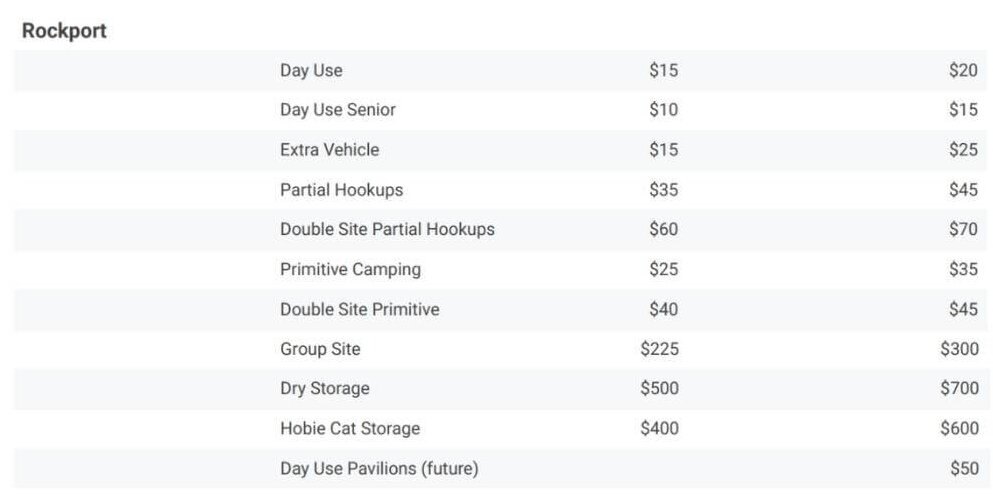
Utah Division of State Parks spokesperson Ally O’Rullian explained most of the changes at 18 of Utah’s 46 state parks are about $5–10 increases in camping rates, other are day-use fee increases. “Nearly all of our entrance rates are the same, and our annual pass, which allows two passholders and up to eight people in a vehicle per pass, remains the same price,” she added.
The changes come as state parks face record visitation and increased maintenance demands. Between 2015 and 2025, annual visits more than doubled, rising from 4.5 million to 12.2 million. More visitors mean more wear and tear on trails, restrooms, and facilities, and most of the parks’ operating budgets come from entrance and camping fees.
The state Legislature caps what parks can charge. The 2026 fee schedule sets maximum resident camping fees at $60 per night and resident entry fees at $25, but many parks charge less.
O’Rullian emphasized that Utah State Parks operates as a nearly self-funded system. “The funds we collect for day-use, camping, and lodging go directly back to operating and enhancing the park system,” she said. “Your fees are paying for things like clean bathrooms, new campsites, and programs held by park rangers.”
Some fee changes are already in effect, while others will roll out later in the year or when new signage is installed.
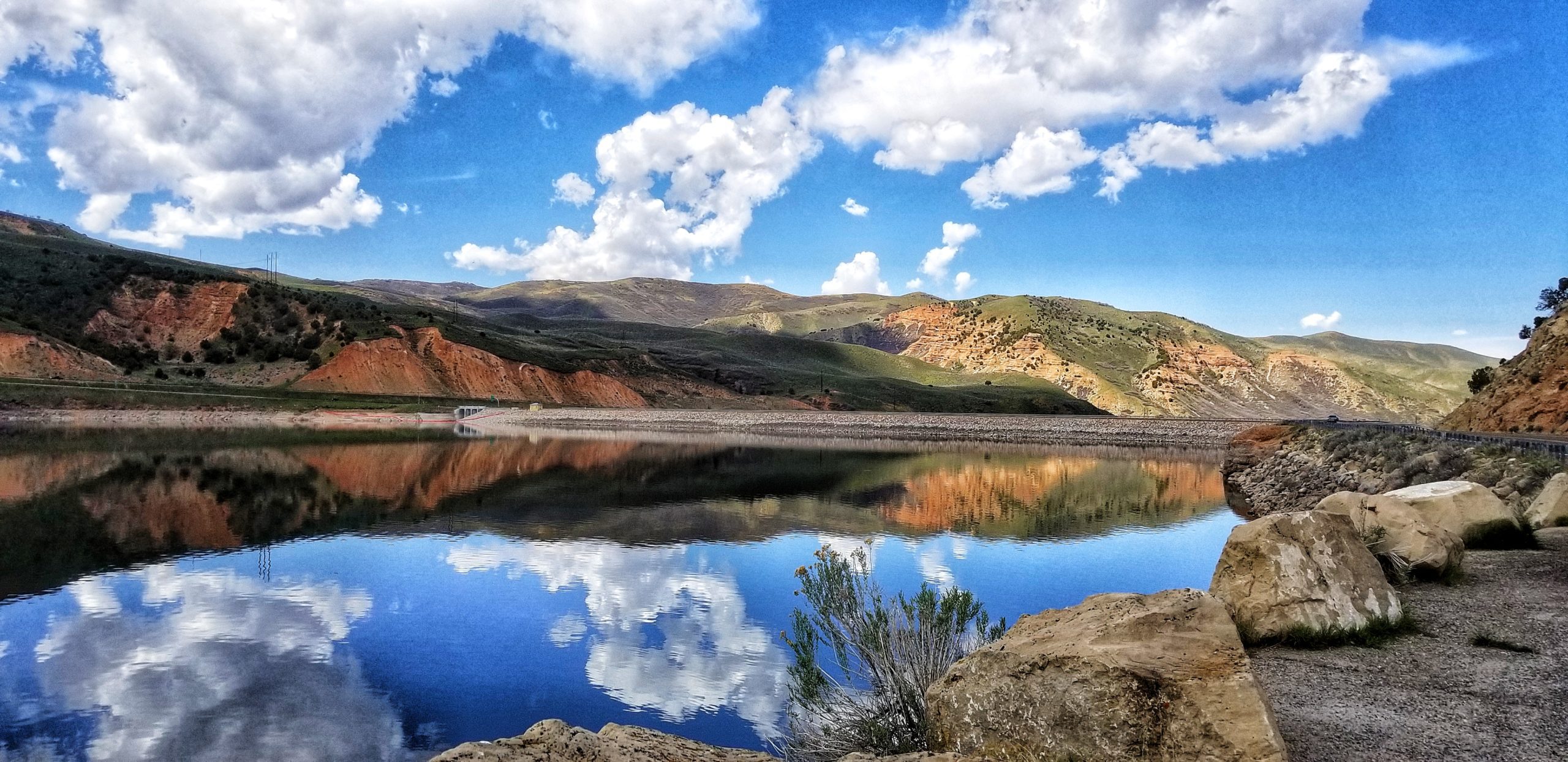
In Summit County, fees for Rockport State Park have been increased, effective January 8, 2026.
Balancing maintenance and accessibility
Fee changes originate at the park level, where managers determine whether adjustments are needed to maintain facilities, ensure amenities are fairly priced, and keep parks operational. Managers submit proposals to park leadership, which must be approved by the administration before fees can take effect.
O’Rullian said that balancing park maintenance with accessibility is a top priority. Rising utility costs, increased wear and tear, and new amenities like electricity and water at campsites all play a role in pricing decisions.
To ensure parks remain accessible, Utah State Parks offers discounts for seniors, free passes for veterans with disabilities, and programs for children. Partnerships with schools, youth organizations, and initiatives like Every Kid Outdoors provide free or discounted day-use experiences, combining recreation with volunteer opportunities to give back to the parks.
“We encourage everyone to visit Utah State Parks. These are your places to enjoy,” O’Rullian said. “Your fee dollars ensure these incredible places are preserved and provide natural, cultural, and recreational resources for the enjoyment, education, and inspiration of this and future generations.”


4251 E Lipizzan Jump
Moab, UT 84532