How to train and recover like an Olympian in Park City

PARK CITY, Utah — With 41 athletes in the Milan Cortina Olympics, Park City is considered an elite athlete hub for good reason. At roughly 7,000 feet above sea level, training here forces the body to adapt in ways flatland gyms simply cannot replicate. But the principles that guide Olympic-level training and recovery aren’t reserved for the podium — they’re accessible to anyone.
From data-driven programming to Nordic saunas and cold plunge protocols, Park City’s wellness infrastructure has quietly grown into something that would feel at home in Oslo or Innsbruck. Here’s what local facilities are doing to deliver Olympic-level training and recovery for everyday athletes and people looking to feel their best.
Train like an Olympian at The Smart Fit Method
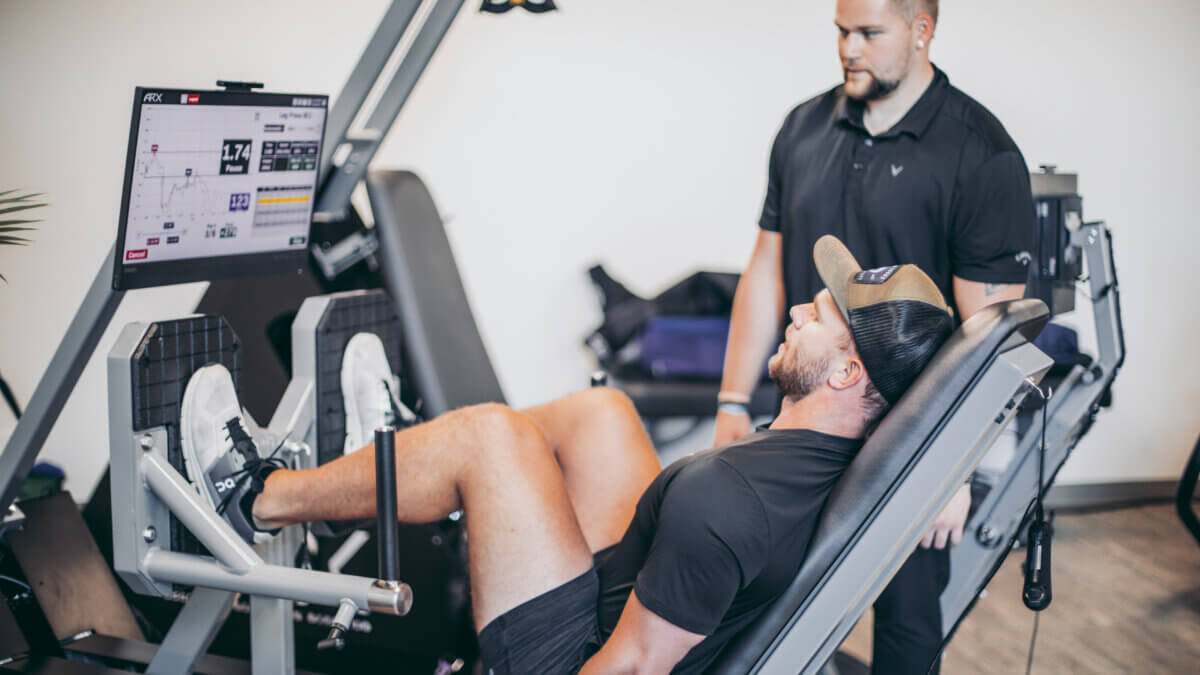
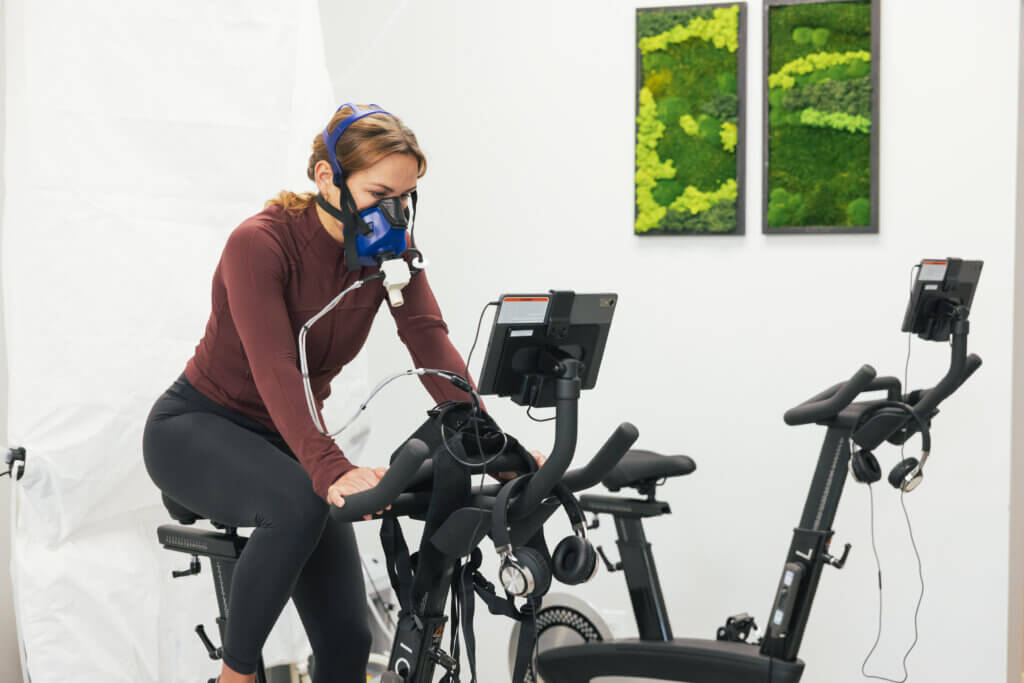
What separates elite athletes from everyone else isn’t a secret training protocol — it’s the commitment to knowing their data. Connor Darnbrough, co-founder of The Smart Fit Method in Park City, has trained Olympic athletes and said the pattern is consistent: they’re meticulous about their metrics. “They know their VO2 max (maximal oxygen consumption), they know their lactate thresholds. They know how their body is responding on a frequent basis,” said Darnbrough. “That gives them the information to make better decisions about their program, their recovery, and what they’re fueling their body with.”
That philosophy drives Smart Fit Method’s assessment-first approach. Before any programming begins, the facility evaluates posture and alignment, VO2 max, body composition and strength-to-weight ratio to identify gaps — then builds a program around closing them.
“We’re not here to train egos. We’re here to train your diagnostics,” said Darnbrough. “Someone may be super fit in one area and completely lacking in another. Knowing where those holes are and bringing them back up has a huge impact.”
Darnbrough also noted that elite athletes don’t overcomplicate their training, noting that the Norwegian Olympic team spends 80 to 90% of training time on steady-state zone two base work — monotonous by design. They change programs only with purpose, and they work around injuries rather than stopping or avoiding altogether.
For a local skier, that translates to three to six hours of zone two cardio per week, a mix of bilateral and unilateral leg movements to prevent imbalances, and enough upper body and core work to support full-body stability on the mountain. “Don’t skip the base work,” said Darnbrough. “Committing three to six hours of zone two is going to give you a huge benefit in terms of any sport you’re doing.”
The most transferable lesson from Olympic training, Darnbrough said, isn’t volume — it’s the holistic mindset. “[Olympians] don’t just train hard. They also really focus on their sleep, their recovery rate, their HRV (heart rate variability). They’re very meticulous about what they put in their body,” said Darnbrough. “You don’t need to be an Olympic athlete to benefit from that approach. If you want the best performance out of your body, what we can learn from them is to really know your data and make sure your program is adjusted to that.”
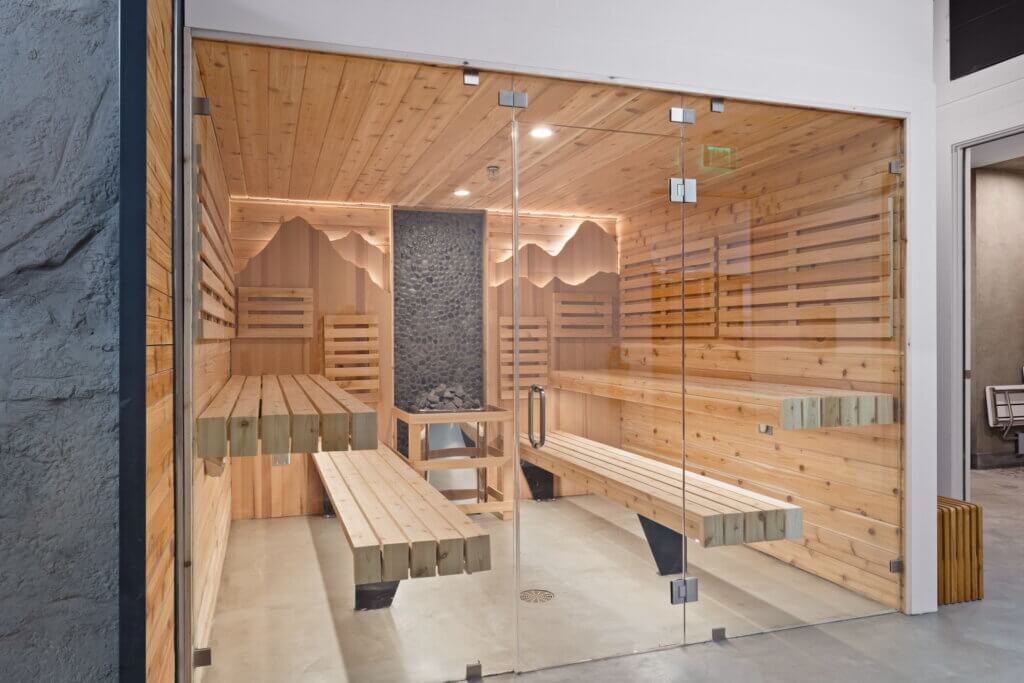
Recover like an Olympian at Avanto
The first number to know is 11 — that’s the minimum number of cold plunge minutes per week, research suggests, that deliver optimal benefits. Timing matters too: plunging within two to six hours of a hard workout can blunt muscle gains by dampening inflammation, so athletes chasing muscle gains should wait. “If you’re looking for quick recovery and not hypertrophy, you don’t need to wait,” said Cayden Ottly of Avanto, a Park City recovery facility offering cold plunge and sauna. For most local skiers, trail runners and cyclists focused on recovery rather than bulk, jumping in right after a session is perfectly appropriate.
Avanto’s protocol pairs two 20-minute rounds in a Nordic dry sauna, which ranges from about 135 degrees near the glass front to 205 degrees in the back corner, with a two- to three-minute cold plunge in between. Tubs are calibrated to 44-46 degrees, with individual units adjustable to 50-55 degrees for athletes whose nervous systems respond better to slightly warmer water.
The elevation advantage Park City offers is well-documented: training at altitude increases red blood cell production, improves oxygen efficiency and accelerates aerobic adaptation. But those gains are only fully realized when recovery keeps pace with the training load. The combination of sauna and cold plunge — done consistently and at the right intervals relative to training — addresses the mechanisms that altitude training stresses most: inflammation management, nervous system recovery and circulatory adaptation.
Park City’s Olympic-level advantage
What makes Park City uniquely positioned for this kind of training isn’t just the altitude or the infrastructure — it’s the concentration of expertise and the culture that supports it. The same mountains that host World Cup ski races and Olympic trials are accessible year-round to locals willing to put in the work. The same recovery protocols used by national team athletes are available at facilities within minutes of Main Street.
The Park City Chamber of Commerce and Visitors Bureau has long recognized that the town’s athletic identity isn’t just a tourism angle, it’s a lived reality for residents who treat training and recovery with the same seriousness as their professional counterparts. Whether that means logging two hours on the Rail Trail, dialing in VO2 max numbers at Smart Fit Method, or closing out a hard week with sauna and cold plunge at Avanto, the resources are here.


621 E Canyon Gate
Park City, UT 84098
2266 E Garfield Avenue
Salt Lake City, UT 84108