Look up, Summit County: Fireballs, meteors, and a supermoon fill November skies

November brings two meteor showers, dark skies for the Taurids and a bright Beaver supermoon just before Thanksgiving
PARK CITY, Utah — November may mean shorter days, but the tradeoff is more time to look up.
This month brings two meteor showers, a moonless night that should help with meteor watching, and a supermoon arriving just before Thanksgiving.
Here’s what to watch for in the November sky.
Nov. 9: Taurid fireballs under a dark sky
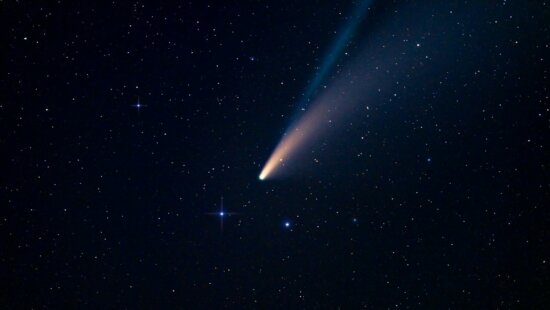
The Northern Taurid meteor shower peaks Nov. 9, according to the Old Farmer’s Almanac. It is not a particularly busy shower—the Almanac estimates about three meteors per hour—but the Taurids are known for producing bright fireballs that can streak dramatically across the sky.
This year, the timing is especially good. The Almanac says the Northern Taurids peak during a new moon, so moonlight shouldn’t interfere with viewing.
That makes the evening of Nov. 9 a good excuse to get away from bright lights, bundle up, and give the sky some time.
NASA recommends finding a dark location, avoiding bright lights and phone screens, and giving your eyes about 20 to 30 minutes to adjust before you start watching.
Nov. 16-18: Watch for the Leonids
Next up are the Leonids, one of November’s best-known meteor showers.
NASA lists the Leonids as active from Nov. 6 through Nov. 30, peaking Nov. 16-17. The Old Farmer’s Almanac places the shower’s maximum a little later, on Nov. 17-18, so skywatchers may want to keep an eye out over several nights.
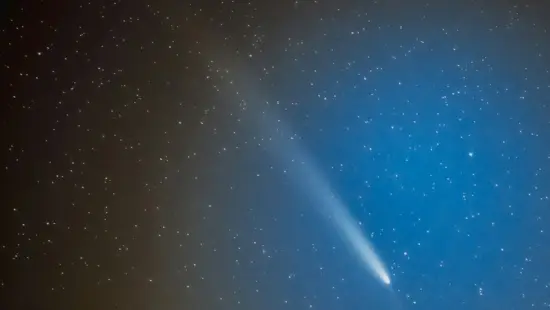
According to NASA, the Leonids come from debris left behind by comet 55P/Tempel-Tuttle. They are among the fastest meteors, traveling at roughly 44 miles per second, and can appear bright and colorful.
Viewing conditions will not be perfect this year. The Old Farmer’s Almanac says a waxing gibbous moon will obscure some of the meteors during the shower’s peak. It estimates roughly 10 meteors per hour under ideal conditions, while NASA’s 2026 forecast is more conservative, listing fewer than three per hour under dark skies.
The Leonids occasionally produce spectacular meteor storms, but neither source is predicting one this year. The Old Farmer’s Almanac specifically notes that a meteor storm is not expected in 2026.
Nov. 24: The Beaver supermoon
The month’s brightest event arrives just before Thanksgiving.
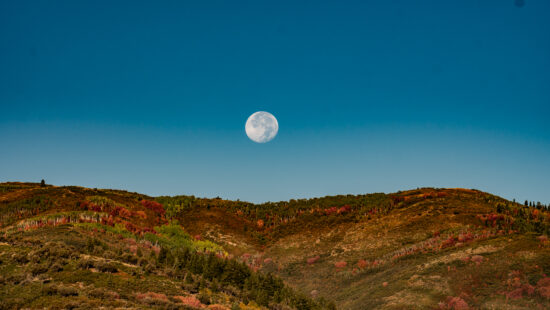
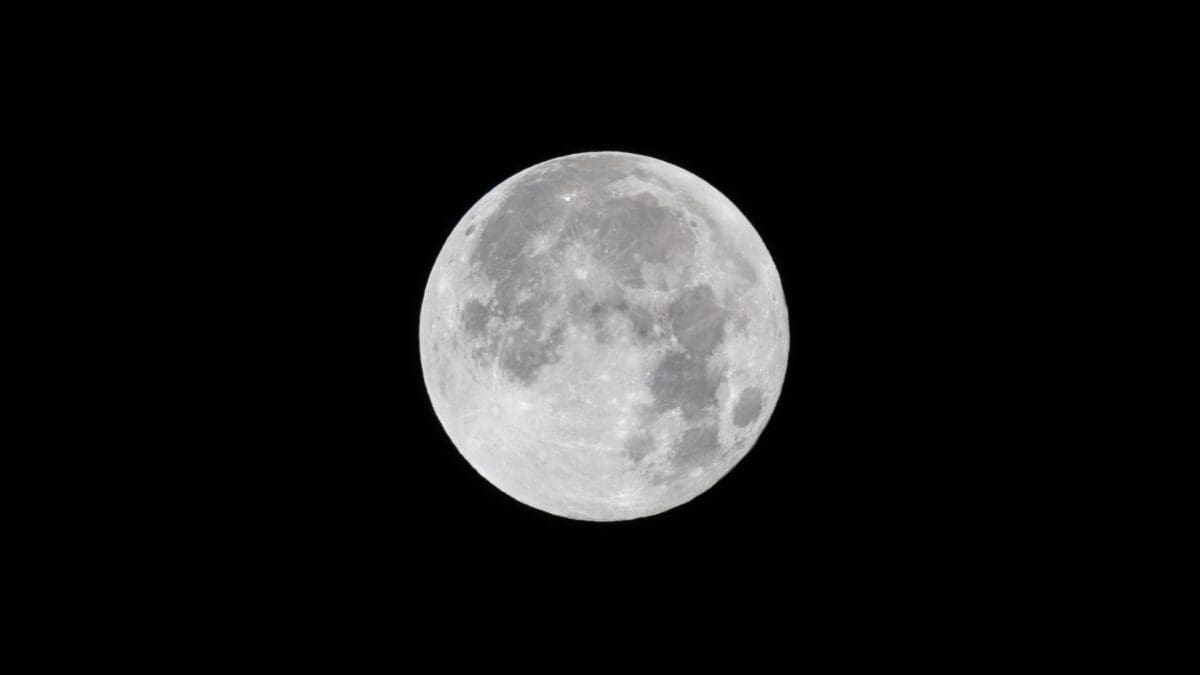
November’s full Beaver Moon reaches peak illumination Nov. 24 and qualifies as a supermoon, according to the Old Farmer’s Almanac. Because the moon will be below the horizon at peak illumination, the Almanac recommends watching on the evenings of Nov. 23 and 24.
A supermoon occurs when a full moon happens while the moon is relatively close to Earth. The Old Farmer’s Almanac says November’s moon may appear slightly larger and brighter than a typical full moon, although the difference can be subtle to the casual observer.
The Beaver Moon gets its traditional name from the time of year when beavers begin sheltering in their lodges after storing food for winter. The Almanac also notes that during the North American fur trade, this was traditionally the season for trapping beavers for their winter pelts.
Nov. 25: Bonus points for spotting Uranus
If you have binoculars or a telescope, there’s one more November target.
NASA lists Uranus at opposition Nov. 25. Opposition happens when a planet appears opposite the Sun in Earth’s sky, making it visible throughout the night and highest in the sky around midnight.
Uranus is much harder to pick out than brighter planets like Jupiter or Venus, but NASA notes that binoculars or a telescope can improve the view of the distant blue-green planet.
For most of November’s sky show, though, the equipment list is much simpler: warm clothes, a dark place, and a little patience.


2266 E Garfield Avenue
Salt Lake City, UT 84108