Shaun White discusses Snow League’s Park City debut with local business leaders

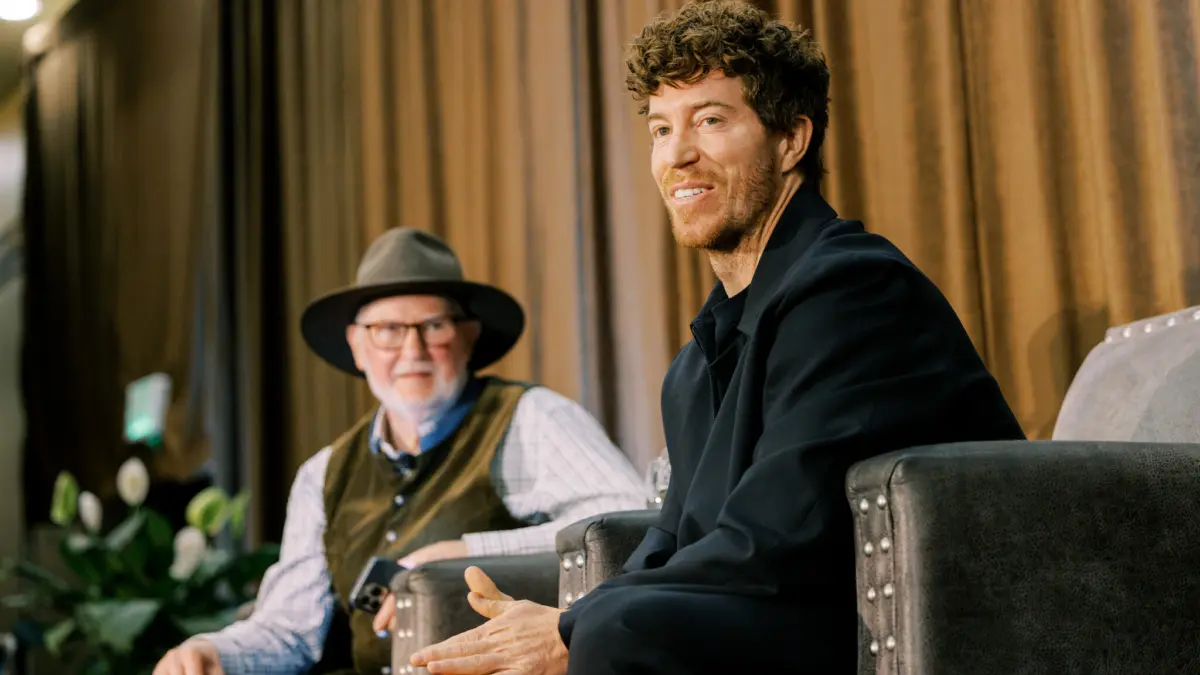
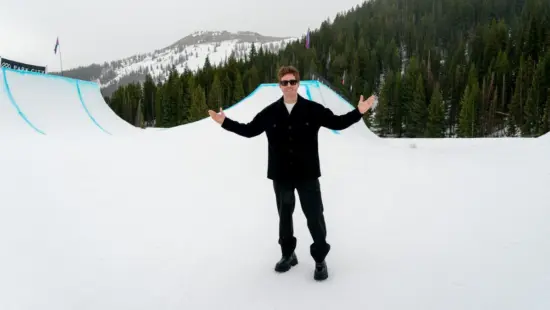
PARK CITY, Utah — Snowboarding legend Shaun White spoke to Park City business leaders Wednesday about the Snow League, which will bring its second-season competition to Park City Mountain Resort in January.
White, a three-time Olympic gold medalist and five-time Olympian, was the keynote speaker at the Park City Chamber of Commerce’s Fall Tourism Forum. In a conversation with local communications professional Tom Kelly, he discussed the upcoming competition, his reasons for bringing it to Park City, and his efforts to build a solid platform for snowboarders and freeskiers.
The Snow League held its inaugural season in 2025-26 with events in Aspen, Colorado; Yunding Secret Garden, China, and LAAX, Switzerland.
Season two will feature Park City Mountain Resort as host for the second event, which acts as quarterfinals for the season. The event will run from Jan. 21-23, filling a programming hole left by the departure of Sundance Film Festival.

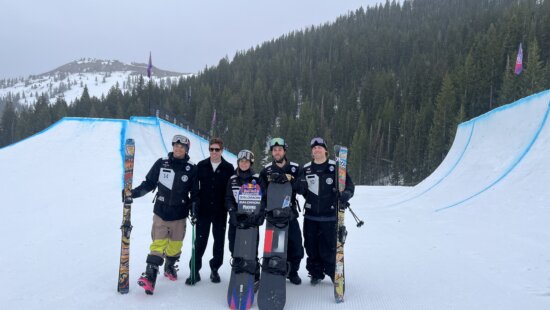
The event is set to bring elite halfpipe athletes to PCMR, where staff have been hard at work all summer to build the foundation of a 22-foot halfpipe. White said the venue and the local enthusiasm for snow sports helped make Park City a natural fit for season two.
“Super easy flight for me,” White joked when asked why he chose Park City, but he went on to describe the area’s weather, people, and fans as reasons he has enjoyed competing and riding here.
“I’ve had so many amazing tricks I’ve learned here, competitions I’ve been in,” White said. He also noted that Park City has a history of innovation in halfpipe snowboarding. White said he’s particularly excited about bringing back the 22-foot halfpipe, which he described as a significant part of the sport’s history.
“Now we’re bringing it back to our backyard,” White said.
A new platform for snowboarding
The Snow League grew out of a desire to give snowboarding and freeskiing greater recognition as a professional sport, according to White.
Early in his career, he encountered skepticism about whether snowboarding was a legitimate athletic pursuit. He said the Olympics helped change that perception, bringing more mainstream attention, participation, and financial opportunities to athletes.
White now hopes to build on that progress with the Snow League, which he described as a way to give athletes a consistent platform to compete and tell their stories, particularly between Olympic years.
“For me, it was all about legitimizing the sport, bringing a professionalism to it,” White said.
The league is designed to bring together the world’s top athletes while establishing standards for how the sport is presented, marketed, and broadcast. White said that includes equal pay for men and women and a focus on the athletes themselves. It will also help athletes earn qualifying points for the Olympics.
He added that he hopes the league will help young athletes see a clearer path from amateur competitions to the professional and Olympic level.
Bringing the competition to Park City
In the 2002 Winter Olympics, American snowboarders Kelly Clark and Ross Powers won gold medals and the Team USA swept the men’s halfpipe podium.
The Snow League, Kelly said, presents another opportunity to build on that legacy.
White acknowledged that bringing the event to Park City comes with expectations.
“Now it’s on us to deliver,” he said, noting the support he has felt from the community during visits this fall.
The Park City event will offer more than the halfpipe competition itself, according to White. Organizers are planning activities throughout town, live music, and opportunities for families to interact with athletes.
“You’re getting the world’s best,” White said, estimating that roughly 40 Olympians would be among the competitors. He also said the halfpipe could provide an opportunity for athletes to push the limits of their performances, including with higher airs and more difficult tricks.
The event will also reach audiences beyond Park City. White said the Snow League plans to broadcast through Peacock, NBC and YouTube, with an international broadcast package reaching about 175 countries.
For White, the goal extends beyond staging a successful competition. He said he wants to leave snowboarding in a stronger position than he found it, creating opportunities for the next generation of athletes to compete, develop and reach wider audiences.


621 E Canyon Gate
Park City, UT 84098
4251 E Lipizzan Jump
Moab, UT 84532