As needs grow, Park City nonprofits push for a shared home base

Nonprofit leaders say a shared space would ease the administrative overhead small staffs can't carry alone
PARK CITY, Utah — Nonprofit leaders from across the Wasatch Back gathered Aug. 27 at Summit Community Gardens & EATS for a Lunch and Learn focused on “Nonprofit Collaboration in Practice.”
Representatives from the Park City Community Foundation, ARTES de MÉXICO en UTAH, Holy Cross Ministries, People’s Health Clinic and Summit Community Gardens & EATS discussed how their organizations work together rather than duplicate services.
Dr. Mairi Leining said approximately 11,000 people consider People’s Health Clinic their primary health care provider, a number she expects to rise in January when Medicaid changes take effect. The clinic serves underserved community members.
Leining offered one example of collaboration: When People’s Health Clinic needed an additional medical expert, Holy Cross Ministries stepped in.
“It’s like Mary Poppins shows up,” Leining said.
The organizations said their collaborative, rather than competitive, approach allows them to expand services and amplify practices, traditions and art already present in the communities they serve.
Luis Novoa, executive director of ARTES de MÉXICO en UTAH, said adaptability is important for nonprofits. His organization has three part-time employees and supports the idea of creating a nonprofit hub.
“We need it for administrative overhead,” said Helen Nadel, executive director of Summit Community Gardens & EATS.
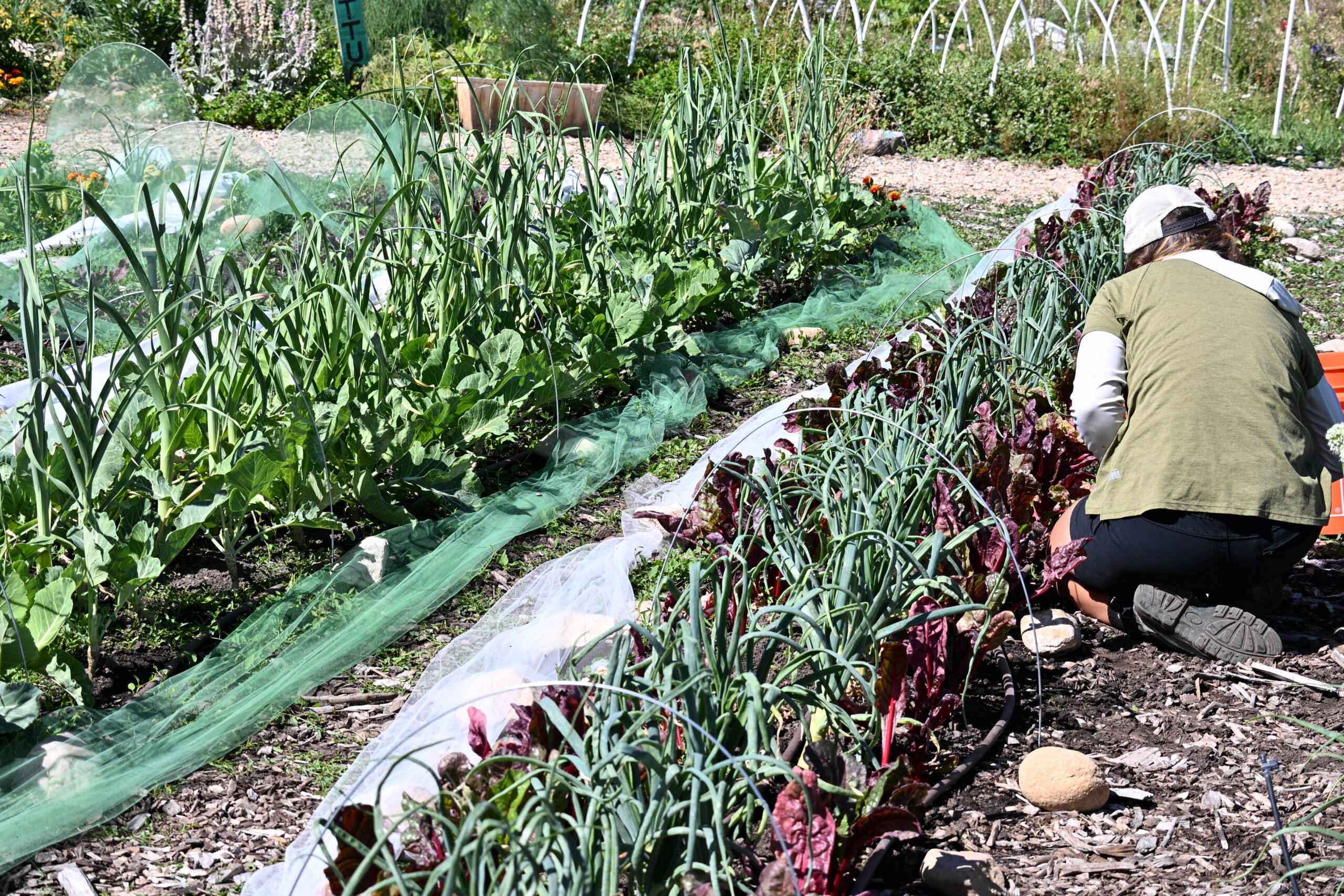
Summit Community Gardens & EATS operates a food farmacy, children’s gardening programs, 130 community plots and a snacking garden. In partnership with ARTES de MÉXICO en UTAH, it also offers the Born from Corn K-12 curriculum.
The organization is also hosting free pop-up farmers’ markets outside People’s Health Clinic from 10:30 a.m. to 12:30 p.m. Aug. 26, Sept. 9, Sept. 23 and Oct. 7.
During the discussion, one attendee asked whether nonprofit spaces are safe from U.S. Immigration and Customs Enforcement.
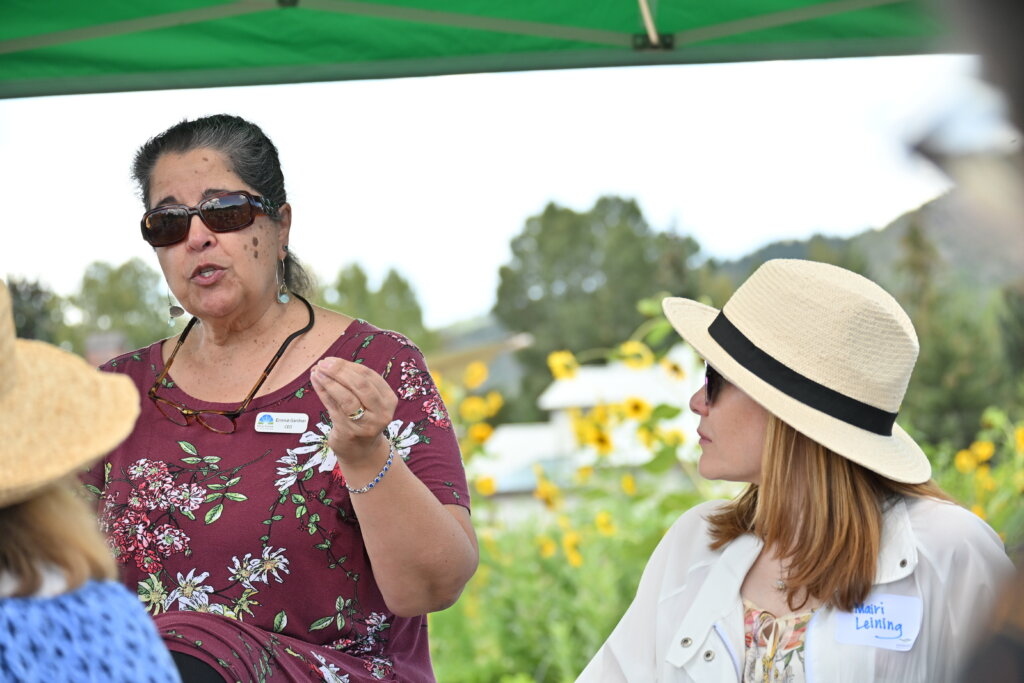
Emmie Gardner, CEO of Holy Cross Ministries, said the organization’s facilities have signs stating, “ICE cannot come in without a court order.”
Holy Cross Ministries has operated a legal immigration program since 2000, providing consultations, legal support for immigrant victims of violence, assistance for humanitarian and temporary status applicants, family reunification assistance, and citizenship services.
“66% of our funds come from grants, 48% of our counseling clients, and 100% of our education services are in the Wasatch Back,” Gardner said.
Last year, Summit Community Gardens & EATS grew 2,000 pounds of fresh food for its food farmacy and delivered 6,500 pounds of fresh fruit to seven schools.
The organization hopes to establish a greenhouse at another facility to extend its fresh-food production and is exploring ways to continue food farmacy deliveries year-round. The program delivers fresh food to people identified as having a medical need for those products.
The community’s next chance to support Summit Community Gardens is at their Farm To Fork celebration Sept. 1.


4251 E Lipizzan Jump
Moab, UT 84532