Wildfire smoke clouds Utah skies as heat builds

Haze is expected to linger through Thursday before temperatures climb as much as 10 degrees above normal
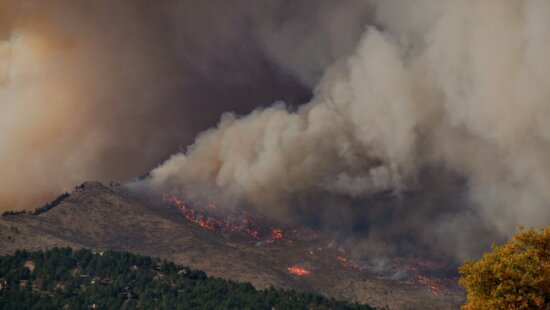
SALT LAKE CITY, Utah — Smoke from wildfires burning across the Pacific Northwest is creating hazy conditions in Utah, with rising temperatures expected to increase the risk of heat-related illness later this week.
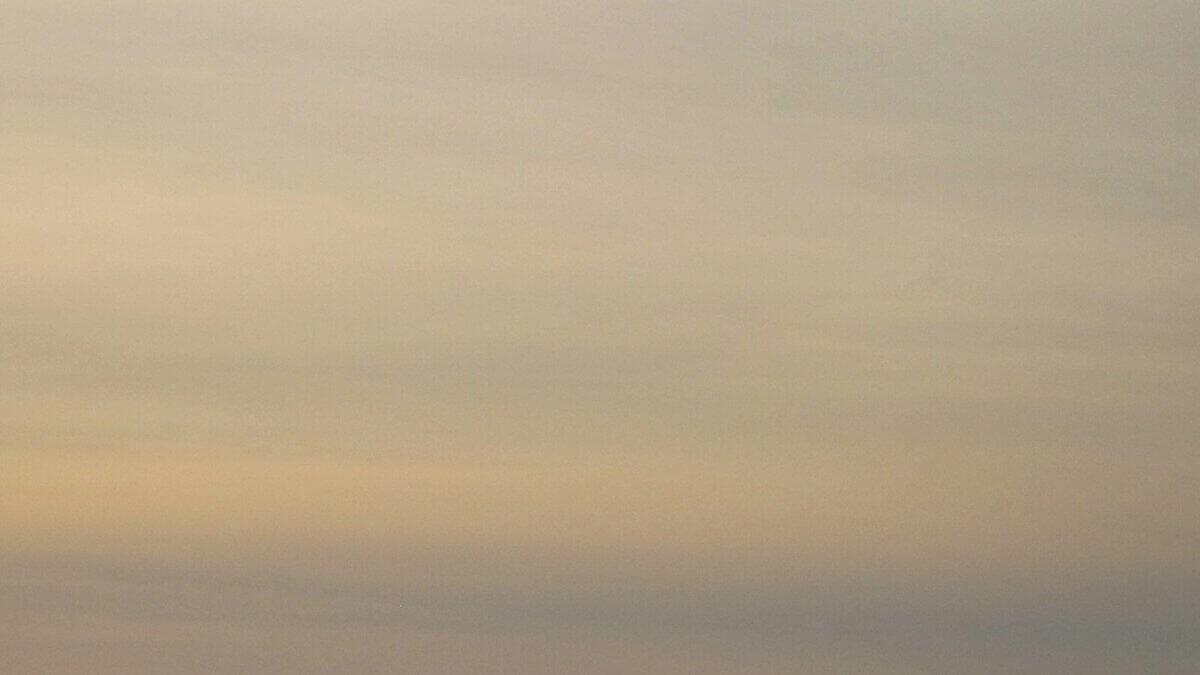
The National Weather Service in Salt Lake City said smoke from numerous fires in the Pacific Northwest is expected to continue moving into Utah and southwest Wyoming through at least Thursday. A dry west-to-northwest airflow is carrying the smoke into the region as high pressure strengthens along the Pacific Coast.
The weather service said smoke has already affected portions of northern Utah and southwest Wyoming. However, the amount of smoke at ground level may vary depending on location, elevation and changing winds.
Temperatures are also expected to climb through the second half of the week. The National Weather Service said afternoon highs could reach as much as 10 degrees above seasonal averages Friday and Saturday, creating the potential for widespread dangerous heat and an increase in heat-related illness.
The Utah Division of Air Quality forecast air quality in Salt Lake County to remain unhealthy for sensitive groups Wednesday through Friday. The agency said wildfire smoke could produce high concentrations of fine particulate matter and advised people with heart or respiratory conditions to reduce physical exertion and outdoor activity if smoke becomes thick.
The U.S. Environmental Protection Agency’s AirNow program identifies fine particles as the greatest health threat from wildfire smoke. According to AirNow, the microscopic particles can enter the eyes and respiratory system, aggravate chronic heart and lung diseases, and cause symptoms including burning eyes, a runny nose, and bronchitis.
AirNow recommends that residents follow local air-quality reports and reduce their exposure when smoke becomes heavy. People with asthma or other lung diseases should follow their treatment plans and contact a medical provider if symptoms worsen, according to the agency.
The hottest conditions are expected Friday and Saturday before the weather pattern begins to shift. The National Weather Service said monsoon moisture could spread farther north Sunday into Monday, bringing lower temperatures and an increasing chance of showers and thunderstorms across central and northern Utah.
Residents can follow current conditions through the UtahAir app and the federal AirNow Fire and Smoke Map.


4251 E Lipizzan Jump
Moab, UT 84532