Utah DWR proposes fishing, elk hunting changes for 2027

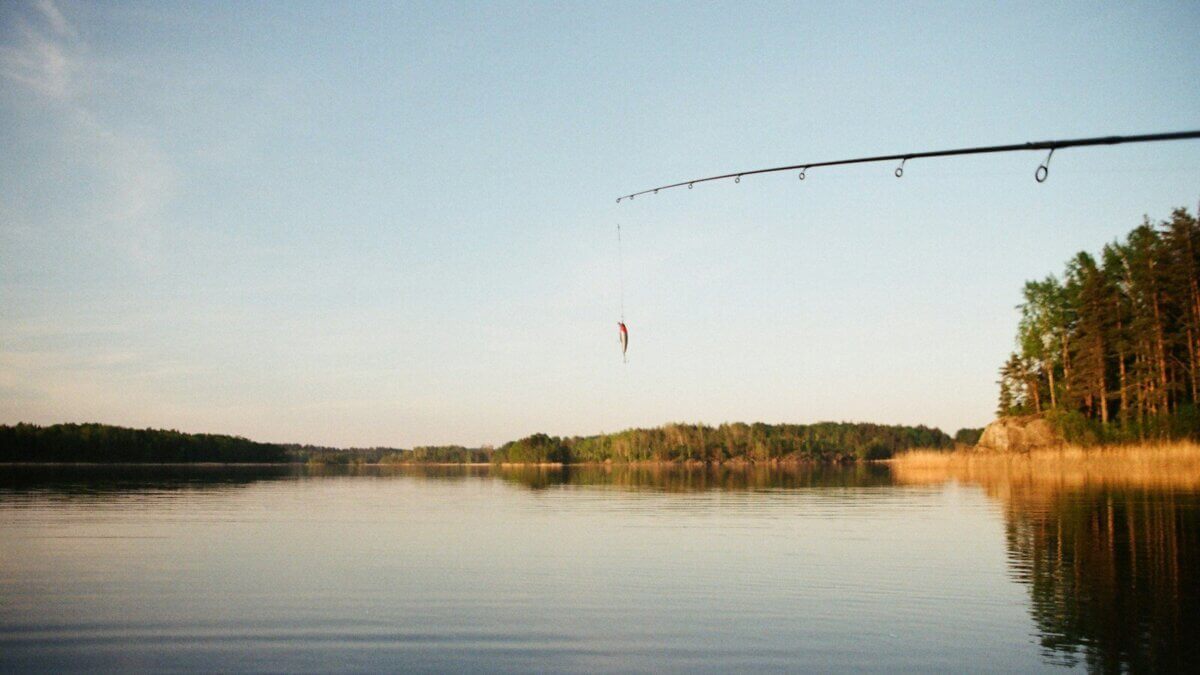
Proposed rules would adjust fishing limits and methods, revise elk permits and increase some boating fees as wildlife officials seek public feedback.
SALT LAKE CITY — Utah wildlife officials are seeking public feedback on a broad set of proposed rule changes for 2027, including new fishing limits, expanded fishing methods, changes to elk hunting permits and higher aquatic invasive species fees for some boaters.
The Utah Division of Wildlife Resources announced the proposals Aug. 12. They will be considered during a series of Regional Advisory Council meetings beginning later this month before going to the Utah Wildlife Board in September.
Among the most extensive proposals are changes to fishing regulations across the state. DWR said the recommendations follow an angler survey and a review of fisheries management needs.
Statewide, the agency is proposing to allow several methods of take, including angling, traps, underwater spearfishing, bowfishing and nets, for common carp, fathead minnows and redside shiners in waters open to fishing. Similar methods would be allowed for Utah chub, Utah sucker and white sucker, with exceptions for the Weber River, Utah Lake and its tributaries.
DWR is also recommending that 14 native fish species be reclassified as game fish so anglers may legally catch and release them. Those species would carry a daily limit of zero fish, meaning they could not be kept. The agency is also proposing to reduce the statewide roundtail chub limit from two fish to zero because of drought conditions.
Several proposed changes affect northeastern Utah.
At Starvation Reservoir, DWR is recommending a protective slot limit for walleye. Anglers would be allowed to keep up to 20 walleye under 15 inches, would have to release fish measuring 15 to 20 inches immediately, and could keep one walleye longer than 20 inches. The proposal would also close the reservoir to spearfishing for walleye from April 1 until 6 a.m. on the fourth Saturday in June to protect spawning fish.
Other northeastern proposals include increasing the bluegill limit at Pelican Lake to 50 fish, eliminating the limit on black bullhead there, allowing dead yellow perch and perch parts as bait at Brough Reservoir, and reducing the trout limit at the Lower Stillwater Ponds from four fish to two because of increased fishing pressure.
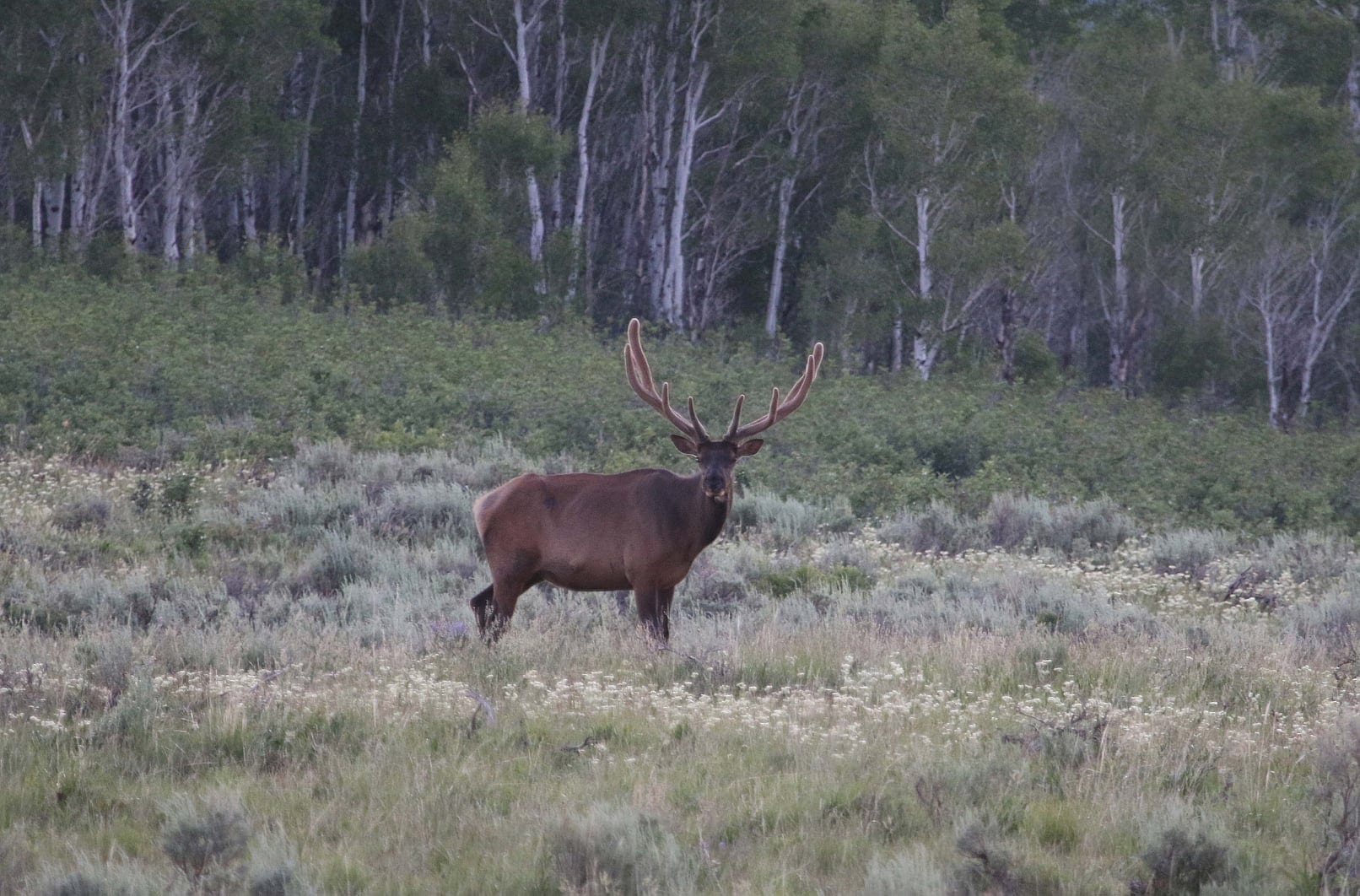
The recommendations also include changes to Utah’s statewide elk management plan following a mid-plan review.
DWR is proposing more flexibility in how permits are divided between September archery hunts and November hunts on units using handguns, archery equipment, muzzleloaders, shotguns, and straight-walled rifles. The agency is also recommending removing the 15,000-permit cap on general-season any-bull permits and restoring a multiseason any-bull permit that would allow hunters to participate in archery, muzzleloader, and any-legal-weapon hunts.
“The goal of these proposals is to maintain accessible, low-barrier elk hunting opportunities, while allowing hunters more flexibility to choose the permit that best meets their needs,” DWR Big Game Coordinator Mike Wardle said.
If approved, the elk changes would take effect for the 2027 hunting season.
DWR is also proposing changes involving amphibians and reptiles, including updated rules for prohibited venomous reptiles, clarification of the process for adopting captive Mojave desert tortoises, and allowing gigs to be used to collect American bullfrogs.
Additional proposals would allow nonresident active-duty military personnel to pay resident rates for application fees and hunting or combination licenses. They would revise rules governing hunting and fishing accommodations for people with disabilities.
The agency is also recommending several fee changes. The cost of an aquatic invasive species decal for motorized boats would increase from $20 to $25 for Utah residents and from $25 to $50 for nonresidents. DWR said the increase is intended to address rising operating costs and reductions in federal funding.
Public comment opened Aug. 12. Utahns can submit comments online before the applicable deadlines or attend a Regional Advisory Council meeting in person to speak directly during public comment.
The Northern Utah Regional Advisory Council will meet Aug. 26 at 6 p.m. at the Weber County Commission Chambers in Ogden. The Northeastern Utah council will meet Sept. 3 at 6 p.m. at the DWR Vernal office. Online comments for the Northern Utah meeting are due Aug. 20, while comments for the Northeastern Utah meeting are due Aug. 27.
The Utah Wildlife Board is scheduled to consider the proposals Sept. 17 at 9 a.m. at the Eccles Wildlife Education Center in Farmington. Online comments for that meeting are due Sept. 9.


2266 E Garfield Avenue
Salt Lake City, UT 84108