Growth
Provo Planning Commission votes against 8,000-seat Vesper Amphitheater proposal

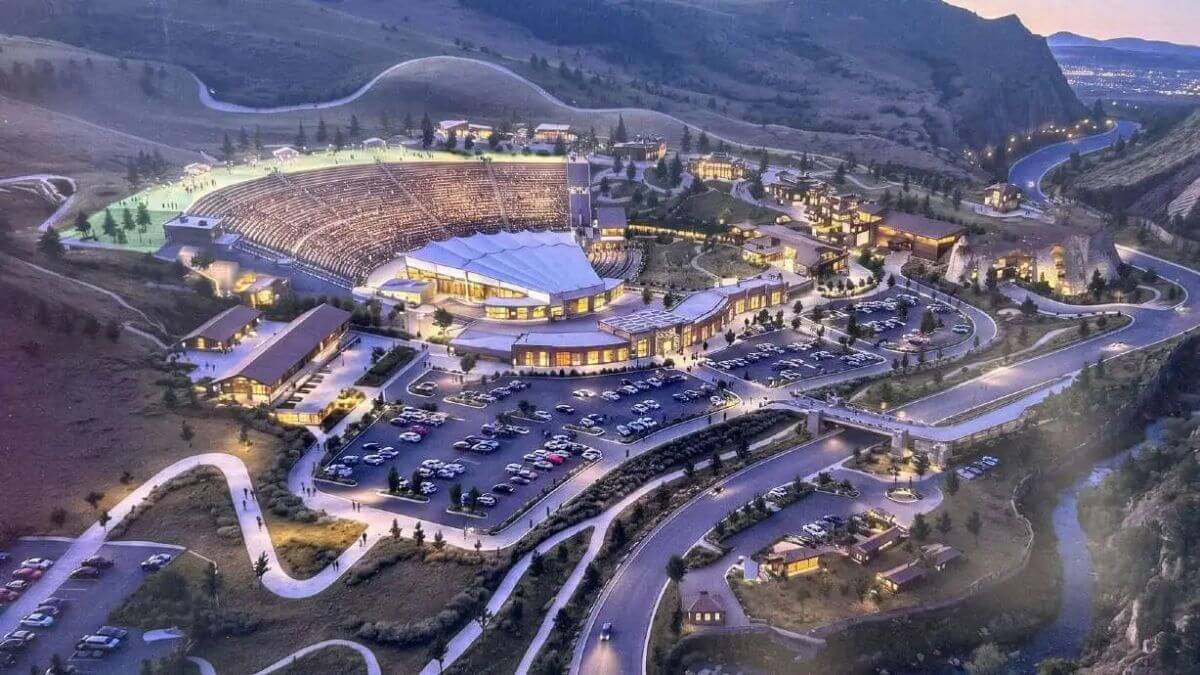
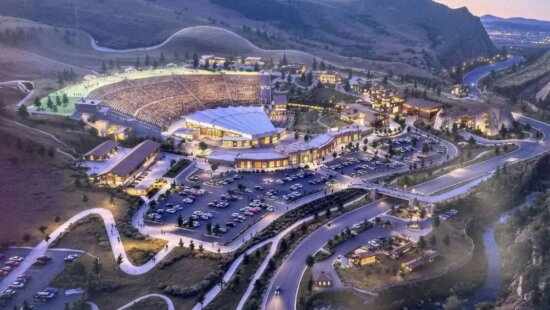
A rendering of the proposed Vesper Amphitheater would have a 20,000 person capacity. Photo:
The 20,000-seat venue at the mouth of Provo Canyon now heads to the Provo City Council, which has the final say on requested land-use changes.
PROVO, Utah — A proposed 20,000-seat amphitheater at the mouth of Provo Canyon hit a major hurdle last week after the Provo Planning Commission voted against recommending the land-use changes needed for the project to move forward.
The commission voted 5-2 on June 24 to recommend denial of general plan and zone map amendments for the Vesper Amphitheater Project, and also denied concept plan approval, following a five-hour meeting that included presentations by city staff and the applicant, as well as public comment, according to reporting by Jacob Nielson of the Daily Herald.
The vote does not kill the project. It sends the proposal to the Provo City Council, which will make the final decision on the requested general plan and zoning amendments. The council is scheduled to take up the issue on July 14.
As TownLift previously reported, the project was unveiled in May by members of the Osmond family and developers as a “world-class” entertainment venue that would combine live music, outdoor recreation, hospitality, and environmental restoration at the entrance to Provo Canyon. Plans call for an outdoor amphitheater with capacity for about 20,000 people and an enclosed 8,000-seat configuration for year-round performances.
Developers have proposed building the project on more than 100 acres near U.S. 189, including land currently used for gravel mining — 34.23 acres owned by Provo Canyon Mining Company and 66.47 acres owned by Provo City, the Daily Herald reported. The proposal also includes a hotel, restaurant, and associated retail uses.
To advance, developers are seeking a general plan amendment to commercial land use, a zone map amendment to a regional shopping center zone, and concept plan approval for entertainment and hospitality uses. Provo Development Services Director Bill Peperone told the Daily Herald that if the zoning is approved, the city council could move forward with the project plan and would not need to return to the concept plan stage.
Supporters have framed the project as a chance to transform a long-disturbed industrial site into a major cultural and economic destination. TownLift previously reported that project materials described plans for land restoration, new public trails, improved recreation access near the Provo River, and a conservation easement on about 50 acres.
Project spokesman Brian Bayles told residents at a June 1 neighborhood meeting that “the heart of Vesper is the natural setting, the canyon, the river, the trails, the views and the outdoor experience.” Bayles said the venue, hospitality, parking, restaurants, trails, open space, and public areas were intended to support the canyon setting, “not overwhelm” it.
Opponents have raised concerns about traffic, parking, public safety, water use, noise, and the long-term character of Provo Canyon, which is widely used for hiking, biking, fishing, climbing, and other recreation. TownLift previously reported that transportation and land-use concerns were expected to become central issues as the project moved through Provo’s review process.
The June 24 meeting drew a full council chamber, with most speakers opposed to the project, the Daily Herald reported. Provo resident Lisa Jensen questioned the scale of the parking plan, saying she could not imagine “an expansive parking lot with 2,000 more stalls than the airport,” while resident Joel Temple said the proposal signaled that “our canyons are up for sale and our public lands are up for development.”
At the earlier neighborhood meeting, Provo resident Tina Bean called the proposal “a public safety and quality of life crisis waiting to happen.” Kaye Nelson, executive director of Conserve Utah Valley, said the project had value but was proposed for “a very poor spot.”
Two planning commissioners supported the proposal. Commissioner Jon Lyons said the project could help draw capital investment and provide a major economic boost.
If the council approves the zoning changes, the project will still face additional review, including traffic, geotechnical, and access analysis. Peperone told residents at the June 1 meeting that a traffic study, geotechnical studies, and input from the Utah Department of Transportation would be required at the project plan stage. Developers have said they hope to break ground in spring 2027 and open by fall 2029, contingent on city approvals.
For now, the future of Vesper Amphitheater rests with the Provo City Council, as the debate over whether a former quarry should become a major entertainment venue or remain closer to open space and canyon recreation moves into its next public phase.
By: Rebecca Brenner


7457 Buckboard Drive
Park City, UT 84098
2475 W White Pine Lane
Park City, UT 84060
2154 S Rio Verde
Moab, UT 84532
2400 E Walker Lane
Holladay, UT 84117
137 W Bridlewood Lane
Midway, UT 84049Talk of the Town


Park City Jobs

Head of Maintenance, Ptarmigan Property Services
1 day ago Full time $70,000 - $85,000 yearly


Sushi Chef, VR Inc
3 days ago Seasonal $26.00 - $28.00 hourly