Native cutthroat restoration work returns to the High Uintas

VERNAL, Utah — Utah wildlife officials will treat portions of two High Uintas drainages in August as part of an ongoing effort to restore native Colorado River cutthroat trout.
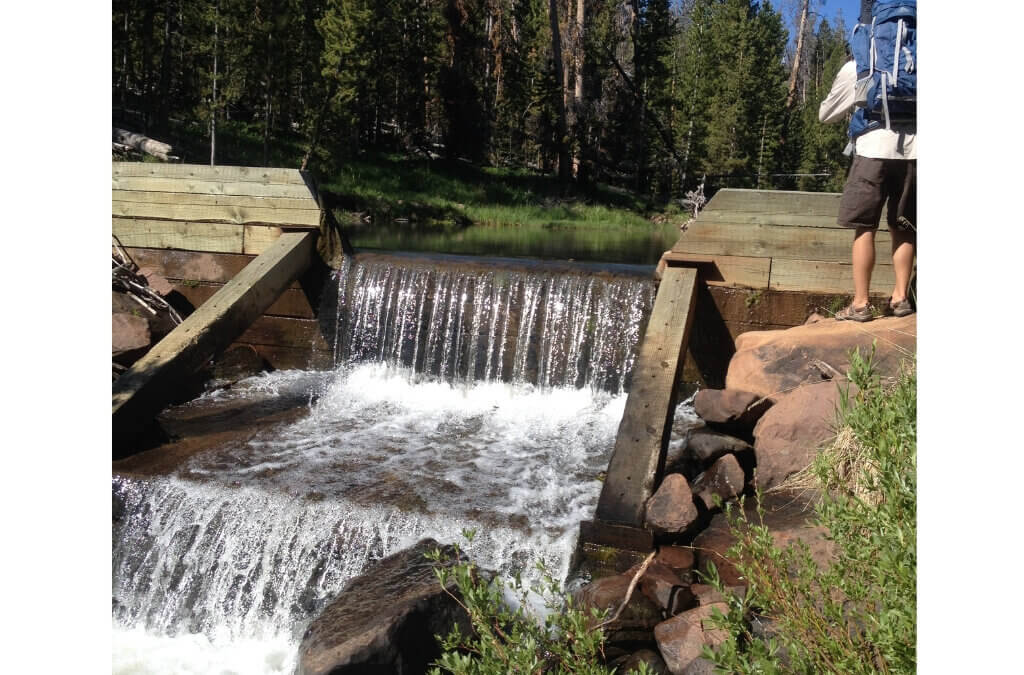
The Utah Division of Wildlife Resources is coordinating with the U.S. Forest Service to conduct rotenone treatments in the Fall Creek drainage on the south slope and the North Fork of Sheep Creek on the north slope.
The Fall Creek treatment is scheduled for Aug. 3-6, with the area expected to reopen Aug. 8. Treatments in the North Fork of Sheep Creek are scheduled for Aug. 19 and Aug. 26.
Rotenone, a substance derived from the roots of a tropical plant in the bean family, is used to remove nonnative fish before native trout are restored. According to the DWR, the low concentrations used during treatments are not considered dangerous to people, pets or other wildlife.
The public will not be allowed to enter treated waters or collect drinking water from the treatment areas while work is underway. Hiking trails and other access will remain open.
“The treatment areas will be well signed and will reopen after the treatment process is over and rotenone levels are no longer detectable in the streams,” DWR Northeastern Region Outreach Manager Tonya Kieffer-Selby said.
The work is part of a restoration effort that has included treatments on both the north and south slopes of the Uinta Mountains during the past decade.
“Over the past 20 years, we have made significant progress on Colorado River cutthroat trout restoration in northeastern Utah,” DWR Northeastern Region Aquatics Manager Natalie Boren said. “Building robust and resilient populations across the landscape will help ensure this species persists well into the future.”
Wildlife officials typically conduct two or three treatments in an area to ensure nonnative fish have been removed. This will be the second year of treatment in the Fall Creek drainage and the first year in the North Fork of Sheep Creek.
Before treating the North Fork, biologists plan to capture and temporarily hold as many Colorado River cutthroat trout as possible. The creek currently contains a genetically pure population of the native fish.
The salvaged trout will be returned after the water has oxidized and the treatment is complete.
The treatments are intended to remove brook trout, rainbow trout and nonnative cutthroat trout that compete or reproduce with native fish. The DWR estimates brook trout could replace cutthroat trout in the treatment areas in less than 20 years without intervention.
Habitat loss, competition and interbreeding with nonnative trout have contributed to declines in native cutthroat trout populations across the West. DWR officials said establishing secure populations may help prevent the species from requiring federal protection under the Endangered Species Act.
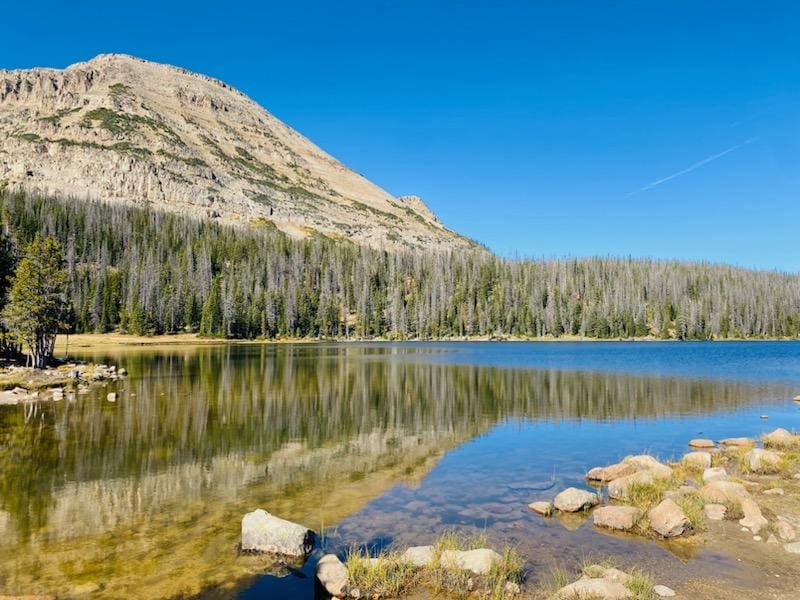
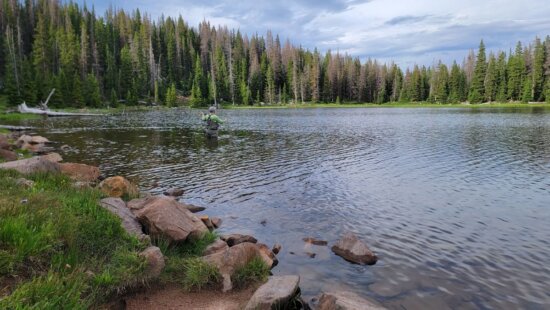
“The Uinta Mountains host over 1,000 lakes, and hundreds of miles of stream,” DWR Regional Sportfish Biologist Carsen Hinkhouse said. “Our efforts are targeted at restoring Colorado River cutthroat trout in a handful of these waters.”
Future stocking in the Fall Creek drainage will depend on the success of this summer’s treatment. If successful, the DWR plans to stock Colorado River cutthroat trout in Phinney Lake and Anderson Lake in 2027.
Brook trout will remain available to anglers in thousands of other streams and lakes throughout the Uinta Mountains. Fishing locations can be searched by species through the DWR’s Fish Utah interactive map.


4251 E Lipizzan Jump
Moab, UT 84532