WasteLess Solutions brings free food markets, community fridges to Summit County

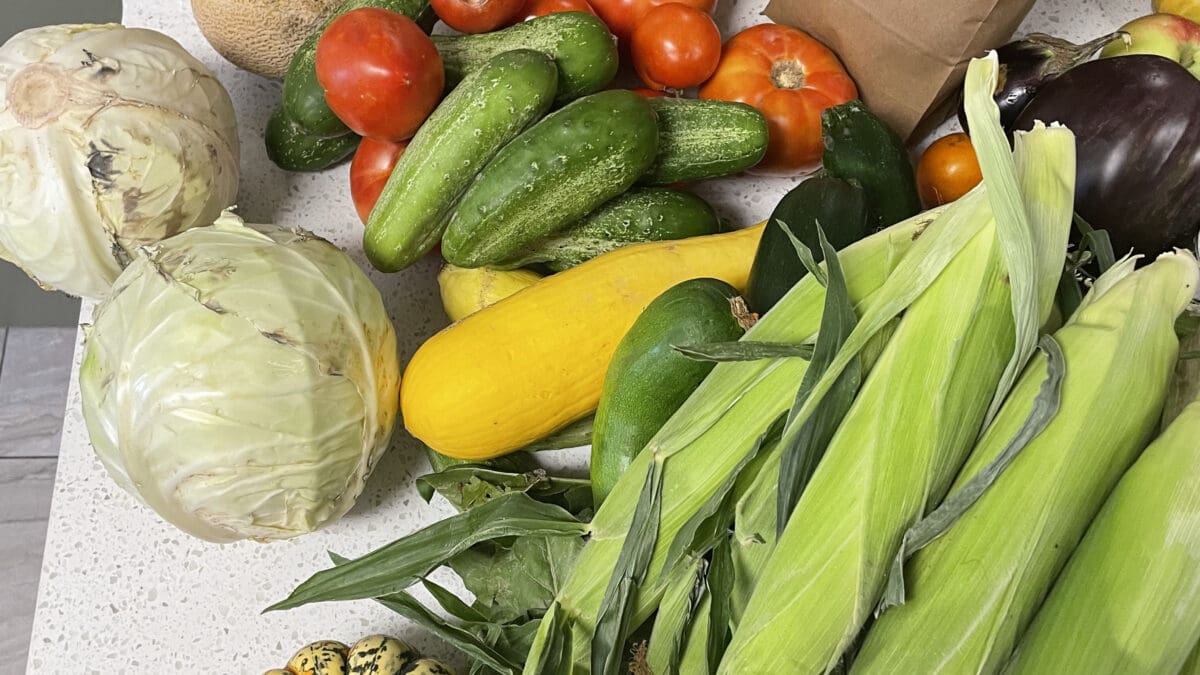
The nonprofit is turning rescued food into low-barrier access points for residents who need fresh food, anonymity, or a closer place to pick it up.
SUMMIT COUNTY, Utah — On weekend mornings in Summit County, tables of rescued groceries are set out for anyone who can use them.
There are no applications. No proof of need. No formal intake process. At WasteLess Solutions’ free food markets, residents are invited to take what they can eat, and anything left over moves into community fridges for the next person who needs it.
The Salt Lake City-based nonprofit currently holds two free markets in Summit County: one at 9:15 a.m. Saturdays at the Summit County Clubhouse and another at 9:15 a.m. Sundays at Parkside Apartments.
The markets are part of WasteLess Solutions’ growing effort to make fresh food more accessible in Summit County, especially for residents facing financial, mental, physical, or transportation-related barriers.
Lo Bannerman Dennis, who works with WasteLess Solutions, said the organization is also expanding its community fridge network to bring food directly to housing communities and other local access points.
“Some Park City residents have financial, mental, physical, and/or transportation-related barriers to accessing fresh foods, and others have fear around being out in the world right now,” Bannerman Dennis said. “We aim to deliver food to partner organizations that directly serve neighbors experiencing these barriers and are also expanding our community fridge network to bring food directly to housing communities and more.”
At free markets, tables are typically covered with grocery-store excess. Residents can take what they need, and extra food is moved to community fridges, which offer another layer of anonymity for people who may not feel comfortable attending a public market.
For WasteLess Solutions, the model is both a food access program and a sustainability effort. The food available in markets and fridges is edible surplus that might otherwise be sent to the landfill or composted.
“Food is an essential need for everyone,” Bannerman Dennis said. “While food insecurity can come with stigma, we hope to lessen that through the lens of sustainability. The food we share in our community would otherwise go to the landfill or be composted. By coming to our free market or grabbing food from a community fridge, you are helping food reach its full potential by nourishing you so you can reach yours.”
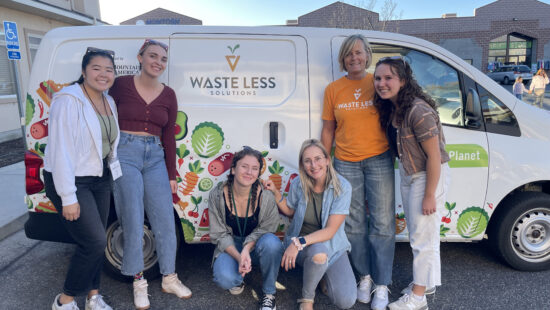
Behind the markets and fridges is a volunteer-powered food rescue system. Volunteers pick up excess food from restaurants, grocery stores, caterers, farms and resorts, then deliver it to local partner organizations, free markets and community fridges.
Some food rescues happen on a consistent weekly schedule. Others are arranged as needed. The rescued food can include “ugly” produce, mislabeled items, unserved catering excess, items near their sell-by date, incorrect deliveries and other edible food that would otherwise go unused.
WasteLess Solutions has operated in Salt Lake for eight years and has been working in Summit County for the past year. Bannerman Dennis said the local need has made it clear that food access has to meet people where they already are.
The organization is also preparing to pilot a repackaging program that would turn large catering trays of excess food into individual portions. Those portions would then be distributed through partner organizations and community fridges.
The long-term goal is to create a closed-loop system where containers are returned, washed, sanitized, and reused week after week.
WasteLess Solutions is seeking more food donors, receiving agencies, fridge hosts, and volunteers in Summit County.
Residents can register as volunteers through the organization’s website and use its web-based app to sign up for available food rescues, market shifts and repackaging shifts. Community members can also help by asking restaurants, grocery stores, caterers, and other food businesses what they do with excess food and connecting them with WasteLess Solutions.
The nonprofit is also looking for extra refrigerators, businesses or buildings willing to host public or private community fridges, and builders or contractors who can help create small structures for outdoor fridges. WasteLess Solutions is also interested in working with short-term rental operators to rescue edible food left behind by visitors.
Bannerman Dennis said that ugly produce and leftovers are among the foods most often tossed rather than saved.
“Meals can be recreated, bruises can be cut around, and ugly food can be enjoyed,” she said.
For residents, the invitation is simple: come to a market, open a fridge, take what you can use. For WasteLess Solutions, each rescued item is part of a larger goal to feed more people, waste less food, and protect the planet.


4251 E Lipizzan Jump
Moab, UT 84532