Rocky Mountain skier visits fall to lowest level since pandemic season as warm winter weighs on Western resorts

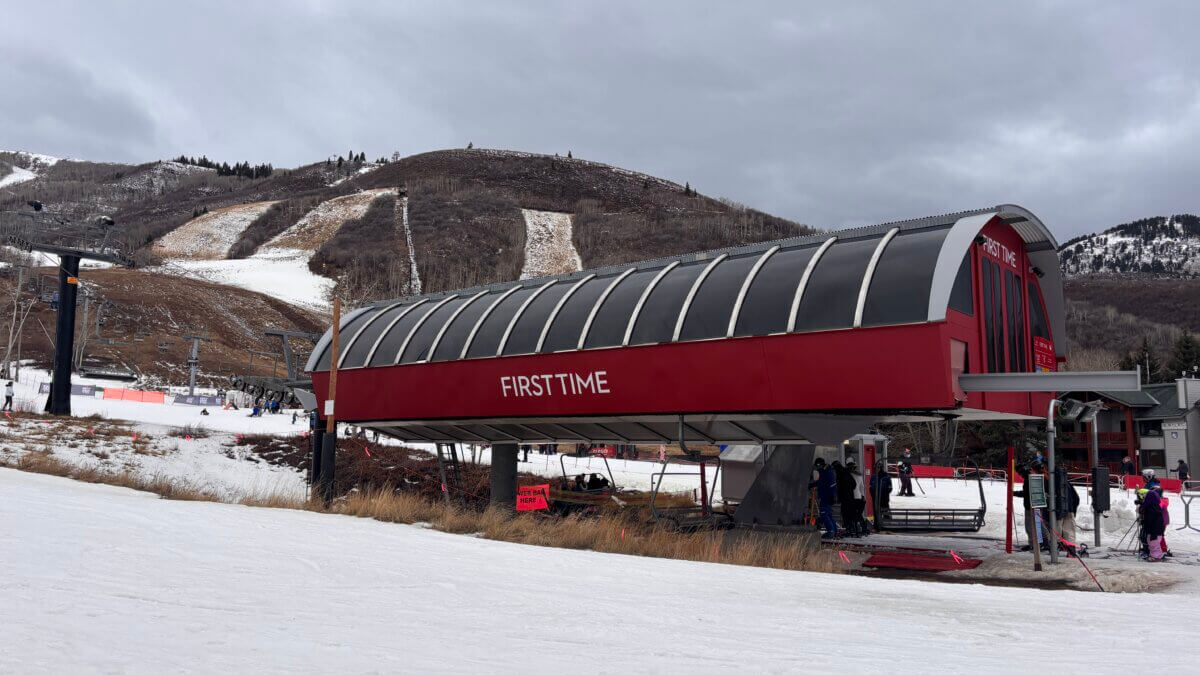
The 2025-26 total skier visitation is the lowest in the Rocky Mountain region since the 2019-20 season, which was cut short by the COVID-19 pandemic.
The 2025-26 ski season delivered an estimated 52.6 million snowsports visits at U.S. ski areas, a 9.1% decline from the 10-year average and roughly 9 million fewer visits than the prior season, according to preliminary data released Tuesday by the National Ski Areas Association.
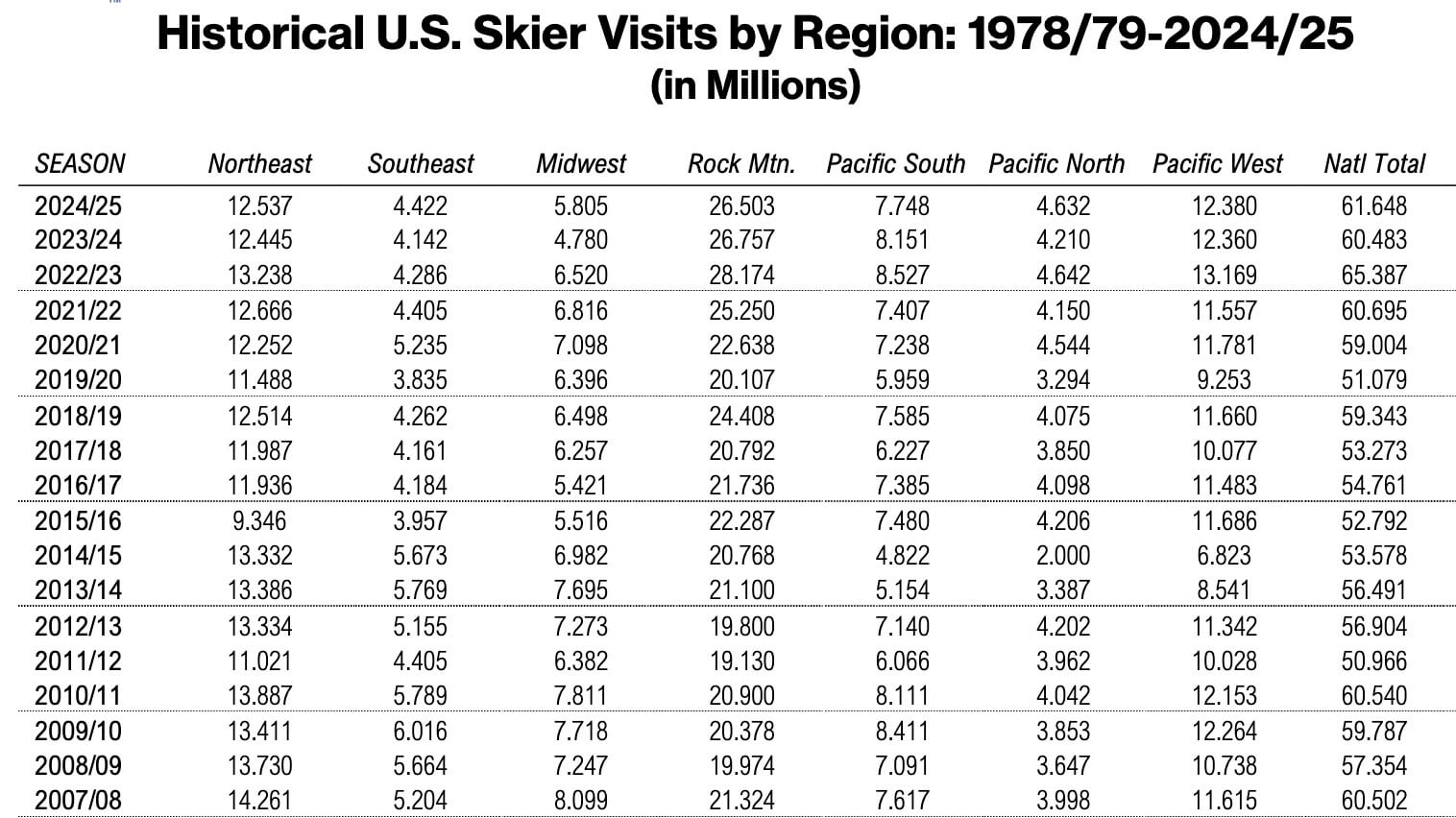
The Rocky Mountain region, which includes Utah and Park City’s three resorts, led the country in visitation with 20.1 million visits. But the figure represents one of the region’s weakest seasons in nearly a decade. The Rocky Mountain region recorded 26.5 million visits last season and an all-time high of 28.2 million in 2022-23, according to NSAA’s historical visitation data. The 2025-26 total is the lowest in the region since the 2019-20 season, which was cut short by the COVID-19 pandemic.
NSAA President and CEO Michael Reitzell pointed to weather variability as the dominant factor in the West, citing a slow start, rain events, and record March warmth across much of the region.
The regional figure tracks closely with Vail Resorts’ own season-to-date reporting. As TownLift reported in April, the company said visitation in the Rockies declined 25% for the 2025-26 season, with CEO Rob Katz attributing the downturn to “one of the most challenging winters in history.” Total skier visits across Vail’s North American resorts were down 14.9% through April 19, with lift revenue down 5.6%, ski school revenue down 12%, and dining revenue down 11.7%.
Park City Mountain, one of Vail’s flagship destinations, ended its season earlier than usual on April 5 amid the warm and dry conditions. The compressed operating window, along with early closures at Deer Valley Resort, pushed visitors toward shorter and more price-sensitive trips.
The local economic stakes are significant.
Park City Chamber President and CEO Jennifer Wesselhoff has cited Chamber and Ski Utah research showing the ski industry generates roughly $2.5 billion statewide each year, with Summit County accounting for more than $1.3 billion. Many local businesses earn 60% to 75% of their annual revenue during the winter season. Transient room tax collections in the Park City area finished 2025 down 9%, and the Chamber has described the outlook for 2026 as uncertain amid mixed economic signals.
National snowfall averaged 112 inches in 2025-26, well below the 10-year average of 169 inches and the lowest total in more than a decade. Every Western region fell well below average. Despite a 33% drop in snowfall, operating days nationally declined only modestly, a result NSAA attributed to continued investment in snowmaking and infrastructure.
Performance in regions east of the Rockies offset some of the Western decline. The Northeast logged 12.9 million visits, the Midwest 5.8 million, and the Southeast 4.8 million. The Pacific Southwest came in at 5.7 million and the Pacific Northwest at 3.2 million. The Northeast and Southeast each posted their second-best seasons of the past decade, the association said.
Ski areas reported $569.3 million in capital expenditures for the season, including 45 new and 52 upgraded lifts, with reinvestment averaging $22.24 per skier visit. Season passes continued to anchor the access mix at 49% of visits nationally, while daily and multi-day tickets accounted for 31%. NSAA said pass usage has begun to stabilize over the past two seasons after several years of rapid growth.
Reitzell framed the season as cyclical rather than structural, noting that lower-snow seasons have historically been followed by strong rebounds.
NSAA noted that the figures are preliminary and will be updated when final season totals are compiled. The association does not collect or report state-level data.


2266 E Garfield Avenue
Salt Lake City, UT 84108