Utah’s black bears are waking up — and drought could bring them closer to home

DWR says limited natural food may push bears into campsites, cabins and foothill neighborhoods
SUMMIT COUNTY, Utah — As black bears emerge from hibernation across Utah, state wildlife officials are urging residents and campers to secure food, clean up attractants, and know how to respond if they encounter a bear.
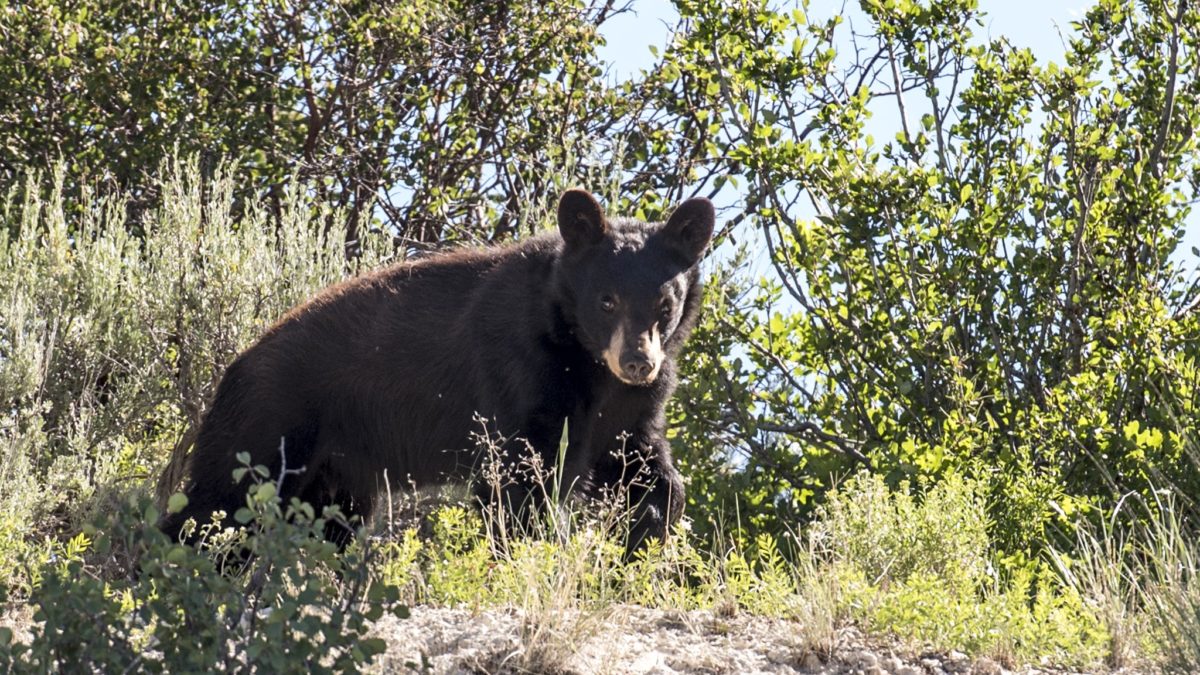
The Utah Division of Wildlife Resources said black bears — the only bear species in the state — typically come out of hibernation in March or April, depending on snow conditions. In spring, plants and insects make up about 90% of their diet, but bears are also drawn to human food and scented items when they are easy to reach.
That combination can turn a routine camping trip or a backyard oversight into a wildlife conflict.
“Even though they’re incredibly strong and surprisingly fast, black bears will typically do everything they can to avoid people,” DWR Game Mammals Coordinator Chad Wilson said. “When a bear finds food, though, that can all change.”
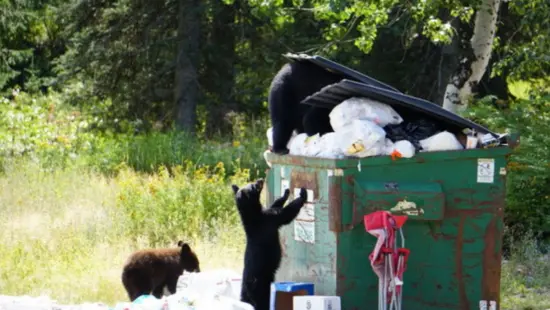
State biologists said drought conditions could make conflicts more likely this year if natural food sources remain limited, pushing bears to search more widely. That can mean more bears getting into garbage, campsites, and other human spaces, particularly in foothill, canyon, and mountain areas.
The agency’s advice is straightforward. Store food, snacks, and scented items such as toothpaste and deodorant in a locked trailer or vehicle trunk — not on picnic tables or inside tents. Campers should thoroughly clean cooking gear, avoid dumping grease on the ground, and pack out trash. Homeowners, especially those in foothill neighborhoods, are also encouraged to secure garbage, clean grills, and remove other attractants, including bird feeders, pet food, compost piles, and fallen fruit.
The message is not only about protecting people. It is also about preventing bears from becoming habituated to human food.
TownLift has reported repeatedly on the consequences when that happens. In August 2024, a young black bear was euthanized after repeatedly getting into trash at and near Soapstone Campground in Kamas, where wildlife officials said the animal had become accustomed to finding food around people. In June 2024, Park City police warned residents after several local bear sightings, including one report of aggressive behavior on a trail at Park City Mountain Resort.
Those incidents underscore the point DWR is making again this spring: a fed bear can become dangerous.
Officials say people who encounter a black bear should stand their ground, stay calm, and give the animal a chance to leave. They should not run or climb trees; black bears can sprint up to 35 mph and are skilled climbers. If a black bear attacks, officials say, people should fight back.
Not every sighting needs to be reported. In foothill and canyon areas, DWR says bears should generally be reported only if they are aggressive, getting into trash or fruit trees, or causing damage. Bears that wander into lower-elevation neighborhoods or city limits should be reported so wildlife officials can respond. Campsite intrusions involving garbage or food should be reported immediately.
The guidance closely mirrors a TownLift report published April 14, which noted that Utah’s black bears roam across much of the state outside the West Desert and are often drawn into conflict by unsecured food and trash.
For wildlife officials, the annual reminder is as much about coexistence as caution: keeping campsites, cabins, and neighborhoods free of attractants can help prevent encounters before they start.


4251 E Lipizzan Jump
Moab, UT 84532