PCSD admits permitting “misstep” as it moves to treat and discharge contaminated groundwater

Superintendent Huntsman's admission of errors deepens scrutiny of Treasure Mountain water discharge
PARK CITY, Utah — The Park City School District’s plan to resume dewatering at the Treasure Mountain Junior High School construction site introduces stricter treatment and testing requirements, as district leaders now admit there were “missteps” in how contaminated groundwater was previously handled.
During an April 9 on-air interview with KPCW’s Leslie Thatcher, Superintendent Lyndsay Huntsman and school board Vice President Nick Hill acknowledged contaminated water wasn’t handled properly, including discharges into a stream that feeds Silver Creek, a waterway classified as a protected drinking water source.
Their comments came after declining TownLift multiple requests for comment over two weeks about the sufficiency of its previous settling tank system and whether its interpretation of permitting requirements for discharging the water had changed.
“We acknowledge that there was a misstep in terms of what permit should have been obtained. We have the correct permit now, and we will follow that process as outlined in our communication,” Huntsman said.
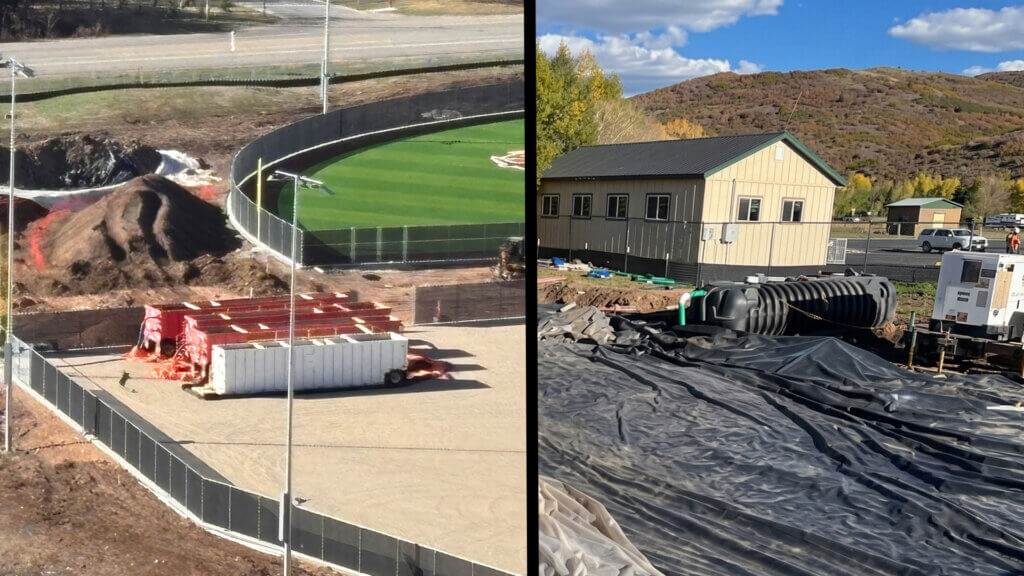
The site, a former mining waste area contaminated with arsenic and lead, is regulated under a federal environmental covenant.
The district’s construction work came under fire last October, when contractors discharged more than 500,000 gallons of groundwater into the stream over roughly five weeks without a permit, according to the Utah Department of Environmental Quality document.
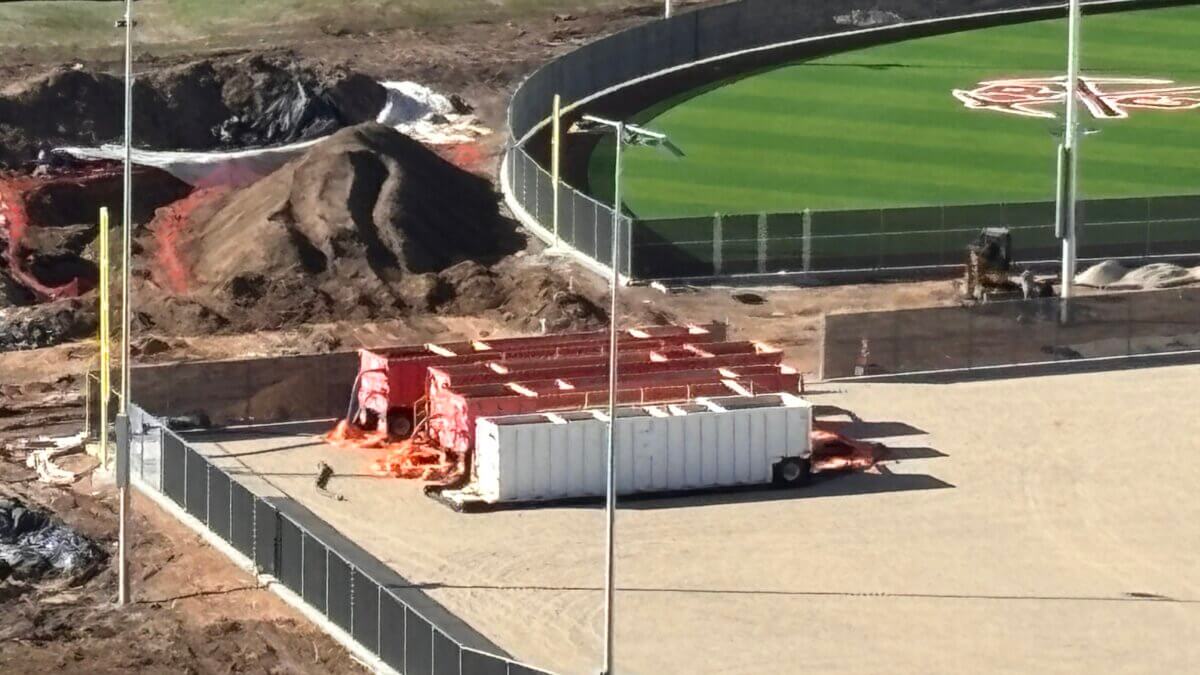
In an update sent April 3, the district said groundwater will now be captured in frac tanks, chemically treated and tested to ensure it meets permitted standards before any discharge.
Previously, the district called the water “non-hazardous” and said it had been routed through a settling, or “weir,” tank system and discharged into a private storm drain that didn’t require a special permit.
However, weir tanks don’t treat contaminants such as arsenic and lead, which require chemical or filtration-based treatment, according to the U.S. Environmental Protection Agency.
That distinction has become central to questions about the district’s earlier work, particularly as sampling data showed elevated contamination levels.
An August 2025 groundwater sample from where the junior high stood showed levels of lead four times the threshold and arsenic at 19 times the limit was discharge into the creek. After the five-week discharge, new tests showed clean water above where the water was discharged, and elevated arsenic and lead below and downstream.
Internal communications obtained by TownLift from state records show the district’s former environmental consultant warned that the groundwater discharge was “not allowable,” had been ongoing for weeks and needed to stop until proper containment and characterization measures were in place. Huntsman told KPCW April 9 she was not aware of water being discharged longer than one day.
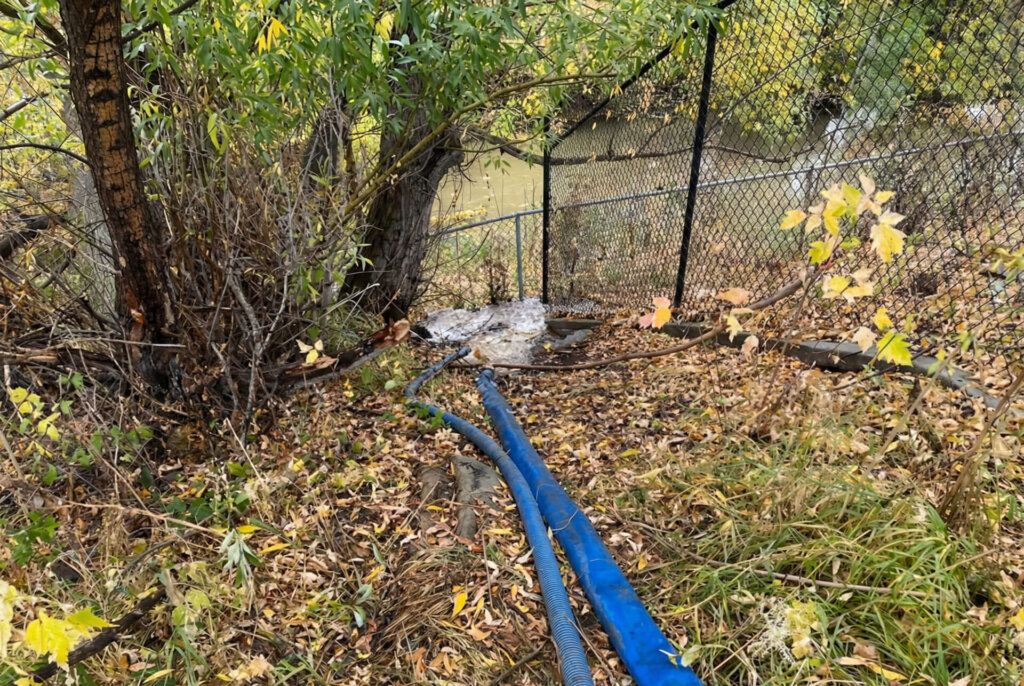
The district provided TownLift pump logs indicating more than 500,000 gallons of contaminated water were discharged during that period, and emails records reflect district Business Administrator Randy Upton, Director of Grounds Todd Hansen, Contractor Hogan Construction and General Contractor MOCA Systems all received an email describing unpermitted pumping into the stream from the districts environmental consultant at that time.
“Upon further investigation we identified that there has been a water discharge that went unseen since almost the start of the project. We have identified that the pumps have been pumping since near the beginning of the project and are turned on at approximately 8:00AM and shutoff at approximately 4:30PM M-F. The pump is rated at 40 gallons per minute,” the email stated.
Shortly after that email, the school district ended its relationship with that environmental consultant, with Huntsman saying the district had decided to go in a different direction. District spokesman Colton Elliott said in a statement the change was also due to “other performance and communication factors.”
The district has not responded to follow-up questions from TownLift regarding the discrepancy. The district Board of Education also did not respond to multiple requests for comment.
State regulators with the Utah Department of Environmental Quality continue to review the October incident, including permitting requirements and potential environmental impacts. A spokesperson previously said the investigation is complete but findings are not expected to be released until later in April.


4251 E Lipizzan Jump
Moab, UT 84532