Council delays Junction Commons, unconvinced housing benefits outweigh traffic risks


SUMMIT COUNTY, Utah — The Summit County Council on Wednesday delayed action on Junction Commons after members split over whether the proposed Kimball Junction redevelopment delivers enough affordable housing to justify added density amid unresolved traffic concerns.
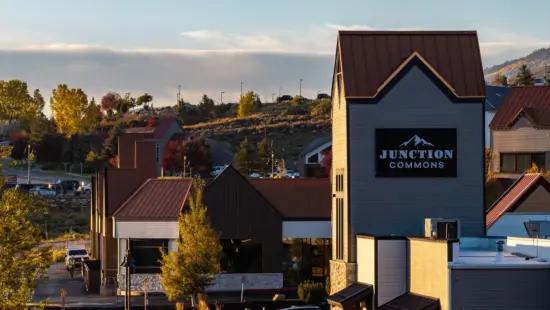
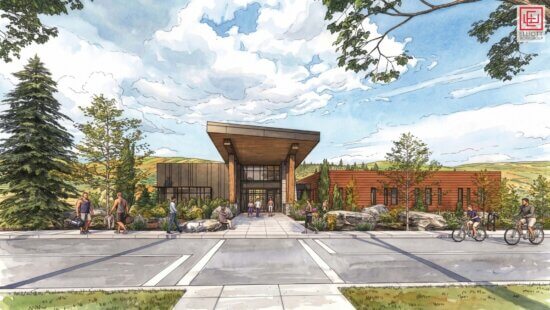
The 19-building redevelopment of the former Outlets Park City site would include 433 units, 205 of which would be affordable, according to Elliott Workgroup, which is representing applicant SRE Ontario LLC. Project representatives said the proposal places housing near jobs, transit, and services and should be viewed as a compelling public benefit under General Plan Policy 2.3.
The Snyderville Basin Planning Commission forwarded Junction Commons to the council in February with a positive recommendation, as TownLift previously reported. The project returned in March with traffic and affordability already emerging as the central points of tension.
Councilmember Roger Armstrong questioned whether that argument holds if the project worsens congestion in Kimball Junction.
“If the housing drives a compelling public interest and it generates traffic that locks up and gridlocks Kimball Junction, that’s not it,” Armstrong said.
Armstrong also questioned whether the applicant should be permitted to apply a Chapter 5 affordable housing reduction on top of the Neighborhood Mixed Use zone’s 50% affordable housing requirement, saying the combination may undercut the intent of the code.
Councilmember Megan McKenna raised a separate concern about how affordable units would be delivered, saying she was uncomfortable with the prospect of separating affordable and market-rate residents into different buildings, even if the applicant cited financing constraints.
Councilmember Chris Robinson focused on the project’s affordability math, noting that the county’s 50% inclusionary requirement does not translate into half of all units being affordable when the full denominator is counted.
Discussion repeatedly returned to General Plan Policy 2.3, which council members described as generally limiting new density unless a project offers a compelling countervailing public interest. Project representatives said the proposal offers the kind of affordable-housing benefit that Policy 2.3 was designed to enable. Armstrong and other skeptical council members said that the benefit is not compelling if the project adds traffic to an already-strained Kimball Junction.
The council did not reach a decision. Chair Canice Harte said the project would return on April 15 for further discussion, with traffic expected to remain central to the debate.


4251 E Lipizzan Jump
Moab, UT 84532