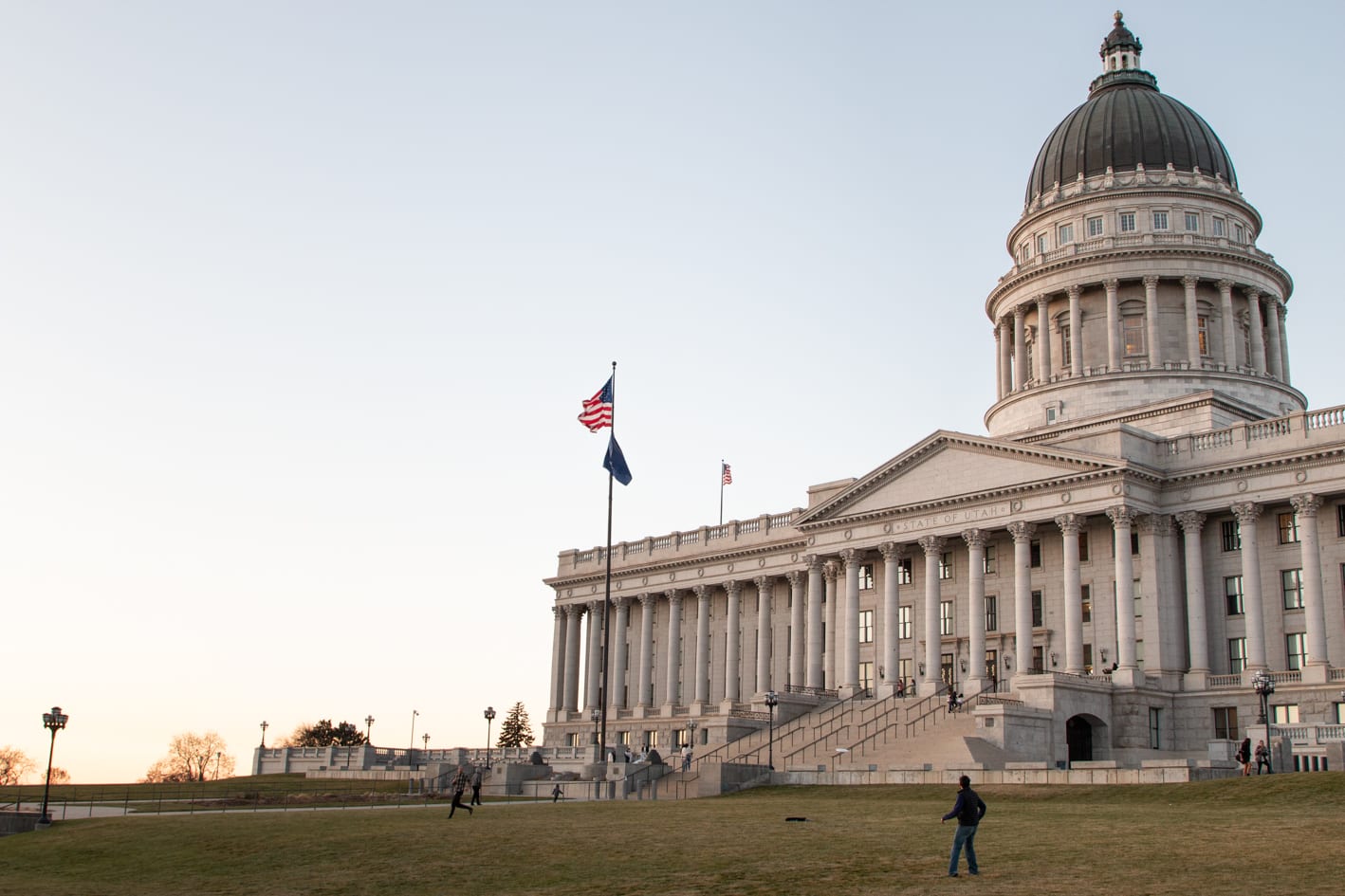
Summit County watches final hours of Utah legislative session, tracking land use, elections and fuel tax bills

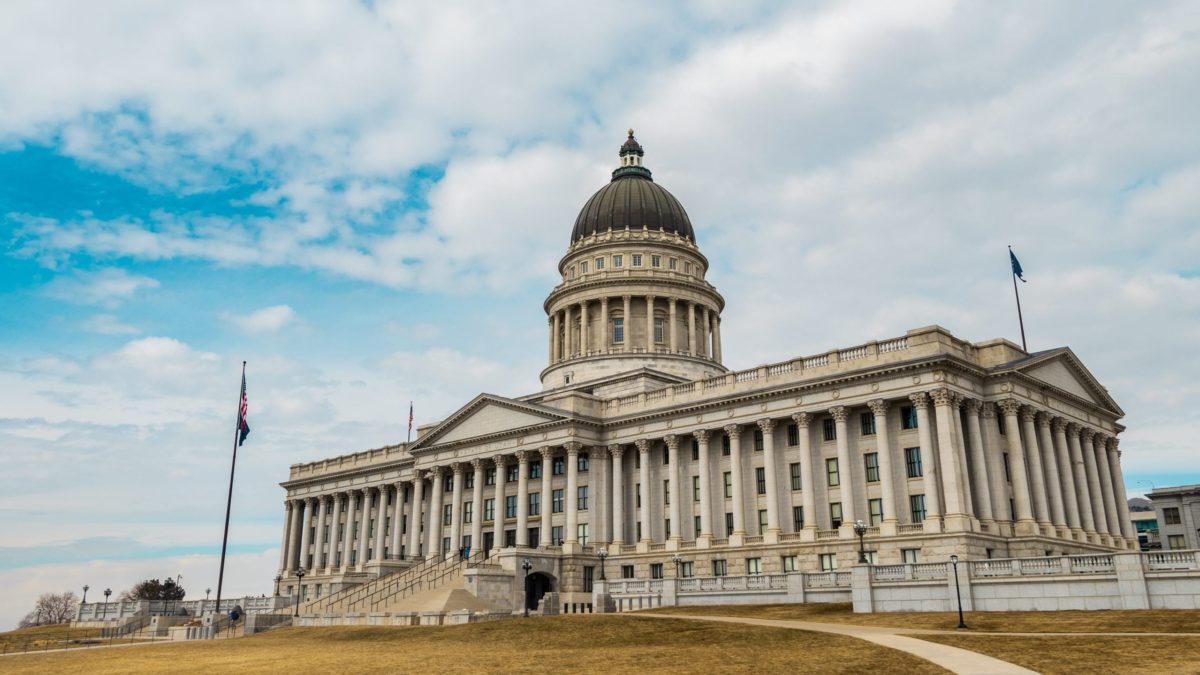
SALT LAKE CITY, Utah — With the 2026 Utah legislative session ending Friday, Summit County officials say they are down to a “handful of specific issues” — and watching closely for late changes.
“This is the final week of the legislative session. It wraps up this Friday, March 6,” Deputy County Manager Janna Young told the Summit County Council during a March 4 council meeting. “There will be no committees after today, so we know what we’re dealing with. We’ll just have to keep monitoring some of these bills and see if anything gets snuck into them at the last minute.”
Young’s update included several developments the county considered wins, along with bills still moving that could affect voter privacy, land-use authority, county land purchases, fuel pipelines, and public infrastructure districts.
Child care tax credit advances; restaurant tax repeal fails
Young told council members that H.B. 190, the Child Care Business Tax Credit, had cleared both chambers and was moving toward final processing.
“We’ve been monitoring H.B. 190. It has passed both bodies of the House and the Senate, and is on its way to the governor,” Young said, crediting work by the county, the Policy Project, Park City Municipal, and the Park City Community Foundation.
Public bill tracking lists the most recent posted action on March 4 as “signed by Speaker/sent for enrolling.”
Young also reported that H.B. 231, which would have repealed the county restaurant tax program and replaced it with a different tax structure, failed in the House.
“With H.B. 231, we were not in support of that. Fortunately, that has failed as well,” Young said, adding the House vote “was like 19 to 53.”
Legislative tracking shows H.B. 231 was filed in the House file for bills not passed on March 3.
Growth-planning bill shifts: H.B. 457 narrowed, but not settled
Young said H.B. 457 initially raised concerns because it could have created additional work for Summit County planners and commissions, but the Senate adopted a later substitute focused on Weber County.
“The good news is, once it got to the Senate, there was a fifth substitute that just addresses the Weber County issue and does not have the third-class language in there,” Young said.
Public bill history shows that the fifth substitute advanced through the Senate Government Operations and Political Subdivisions Committee, was moved to the Senate’s calendar, and then to Rules on March 4.
Election bills: drop box staffing measure still alive; voter privacy bill moving
Young flagged multiple election-related bills as concerns for Summit County voters and election administrators.
One was H.B. 479, which Young said county clerks opposed because it would require staffing ballot drop boxes to check IDs.
Public tracking shows the bill was held in a Senate committee on March 3, then returned to Senate Rules and sent to Rules on March 5.
Young also raised S.B. 153 as a voter-privacy concern, saying it would make voter phone numbers and email addresses available to the public, even as many Summit County voters have requested private classification.
As of March 5, public tracking shows S.B. 153 had been sent back to the Senate.
Land-use authority and development process: S.B. 284 advances; petition-signature bill continues
Young told council members the county had been following S.B. 284, describing it as a land-use task force bill that had been revised multiple times and had reached a version the county could “live with.”
Young also flagged H.B. 242, part of a slate of initiative and referendum bills, saying a substituted version would make it harder for people to remove their names from petitions after signing.
County land purchases: H.B. 445 heads back to the House with amendments
Young highlighted H.B. 445, which deals with counties purchasing land in other counties. The bill would add new permissions and taxation requirements.
Public tracking shows the bill moved back to the House with Senate amendments on March 5.
Late-session bills: preliminary municipalities, infrastructure districts, and fuel tax
Young also touched on several late-session bills with potential downstream effects for Summit County.
H.B. 510, a “preliminary municipality” bill that Young said the county supports, cleared the Senate committee the morning of the March 4 meeting and was headed to the Senate floor, she said.
H.B. 575, a fuel tax and supply bill, drew county attention because Young said pipeline-permitting language was expected to be inserted as negotiations continued. She told council members on March 4 that the bill had failed a Senate committee vote earlier in the week and that discussions were ongoing.
Public tracking shows the bill was revived: it received a favorable recommendation in the Senate Revenue and Taxation Committee on March 4 and passed the Senate the same day on a 24-1 vote. It then returned to the House, where it was sent for enrolling on March 5; as of March 6, an enrolled draft was being prepared.
H.B. 514, which Young flagged because of eminent domain authority tied to energy infrastructure, remained in motion late in the week, with public tracking showing movement on March 5.
WUI fee delay: implementation pushed to 2027
Young also noted a late-breaking development tied to Utah’s wildland-urban interface requirements, saying a bill would delay implementation and give counties more time to prepare.
Public bill tracking for H.B. 41 shows work continued on March 5 on an enrolled version, and the third substitute text states the bill “takes effect January 1, 2027.”
“It takes a village”
Young closed her update by thanking county staff, council members, and the county’s lobbying team.
“It takes a village,” she told the council. “Everyone has done an amazing job following bills and sharing information and testifying at committees and talking to legislators.”
With the session ending Friday, Young said the county would keep monitoring the remaining bills for floor action and late amendments.


621 E Canyon Gate
Park City, UT 84098
4251 E Lipizzan Jump
Moab, UT 84532