Before Summit County can build affordable housing, it may have to rewrite the rules

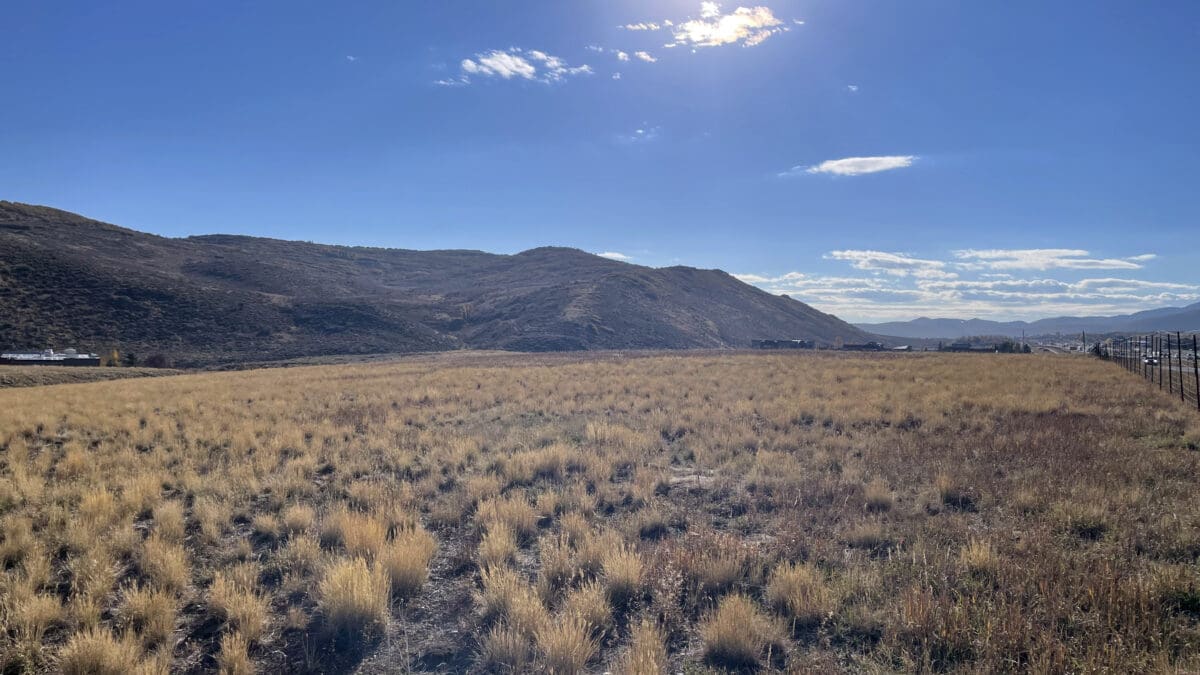
The Cline Dahle workforce housing project has stalled — not over design, but over whether the county's code allows it at all
SUMMIT COUNTY, Utah — A Wednesday discussion about the future of Summit County’s Cline Dahle property quickly widened into something bigger: a debate over whether the county’s own development code is blocking the kind of affordable housing it says it wants.
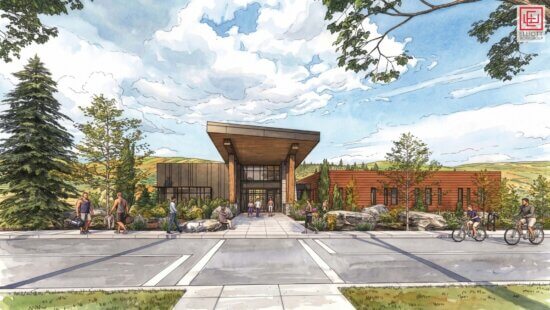
TownLift previously reported that the County Council selected Columbus Pacific Development in June 2025 to negotiate a workforce housing proposal for the roughly 30-acre county-owned parcel near Jeremy Ranch Elementary School, and that by November, the developer was already signaling a rezone and changes to the housing mix would likely be needed to make the project work.
This time, the conversation centered less on what should be built and more on whether Summit County has a workable process to allow it.
Tony Tyler, representing Columbus Pacific, told the County Council the project has reached “a sticking point” because the county’s current rezone structure requires too much design work, engineering, and expense before there is any certainty a proposal can move forward. He said that creates “a risk threshold that’s hard to get over” for both the county and the developer.
At the center of the discussion was a basic problem: the county does not currently have a zoning district that fits the kind of affordable or workforce housing being discussed for the site.
Peter Barnes, the county’s community development director, largely agreed. He said the existing code demands construction-level detail far too early in the process, pushing major costs to the front end before the county has even determined whether a rezone is appropriate.
“The way the code is laid out, you need construction-level documents to even apply,” Barnes said. “If the object of our current code is to prevent development, we’re doing it really well.”
Barnes said the county should still require enough information to determine whether a project aligns with the general plan and whether roads, infrastructure, and other site constraints can be addressed — but the current code asks for far more than that at the outset.
The result, Wednesday’s discussion suggested, is that Cline Dahle has become a test case not just for one housing proposal but for whether Summit County is willing to build a zoning path for future affordable housing projects.
Council member Chris Robinson said the county had reached a crossroads.
“We have this target of building 1,500 units of affordable housing. We don’t have a zone for affordable housing,” Robinson said. “We’ve hit a roadblock.”
Robinson said the county and Columbus Pacific have spent months in a tug-of-war over who should bear the cost and risk of designing a project before the county has created a zone that would allow it. If the county wants affordable housing on a parcel like Cline Dahle, he said, it needs to decide how it plans to make that possible.
Tyler said the project has continued to evolve since the council last discussed it in November. Columbus Pacific has revised the mix of for-rent and for-sale units, including shifting some apartments to duplex-style townhomes aimed at lower-income buyers, while trying to close an estimated $9 million subsidy gap.
Not every council member was ready to move without caution.
Council member Roger Armstrong warned against changes that could unintentionally accelerate broader growth in the Snyderville Basin or create consequences beyond the Cline Dahle site.
“I would not be in favor of anything that expedites the ability to broadly grow,” Armstrong said, adding that the county needs to be “strategic and surgical” in how it approaches any new housing zone.
That caution extended to the process. In a tense exchange near the end of the discussion, Armstrong pushed back on the idea of a county-sponsored code amendment advancing without clear council visibility.
“You’re proposing the amendment, so we ought to see it,” Armstrong said, later adding, “The county would be the proponent of this code amendment.”
That tension defined much of the meeting: how to create a more workable path for affordable housing without opening the door to development the county does not want — and how directly the council should control any code changes needed to get there.
Other council members sounded more ready to push forward. Council member Megan McKenna said the county knew, when it issued the request for proposals, that code changes might be needed and argued that the work should now be treated as a priority. Council member Tonja Hanson, participating remotely, said the county has long discussed the need for an affordable or workforce housing zone and should move that effort forward.
No formal action was taken. But Barnes said the likely next step is drafting a new zone and related code amendments, then taking that work through the public process.
“The theory, two or three months,” Barnes said. “The reality is probably closer to six months or so to get the process figured out.”
In earlier Cline Dahle discussions, the council’s questions were more site-specific — traffic, snow storage, layout, unit mix. On Wednesday, the focus shifted. Before the county decides what should be built on the property, it may first have to determine whether its code allows it.


2266 E Garfield Avenue
Salt Lake City, UT 84108