Affordable housing tops Summit County’s list of health concerns

New five-year plan also targets food access and declining immunization rates
SUMMIT COUNTY, Utah — Affordable housing emerged as a public health concern in Summit County on Wednesday, as county officials presented a new five-year health plan that also prioritizes food access and declining immunization rates.
The presentation to the County Council marked the rollout of Summit County’s 2026–2030 Community Health Improvement Plan, built from the county’s first comprehensive Community Health Assessment. Kendra Babitz, the county’s deputy health director, and epidemiologist Nancy Porter said the effort was designed to measure not just medical needs but the day-to-day conditions that shape whether people can live healthy lives.
That broader approach was reflected in one of the presentation’s clearest findings: residents across North Summit, South Summit and Park City identified affordable housing as the top issue in need of improvement.
“What really stands out here is that these aren’t clinical factors,” Babitz told council members. “People aren’t defining health by doctors or hospitals. They’re defining it by the conditions of the community that they live in.”
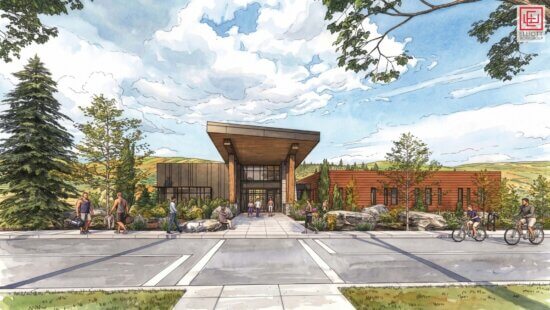
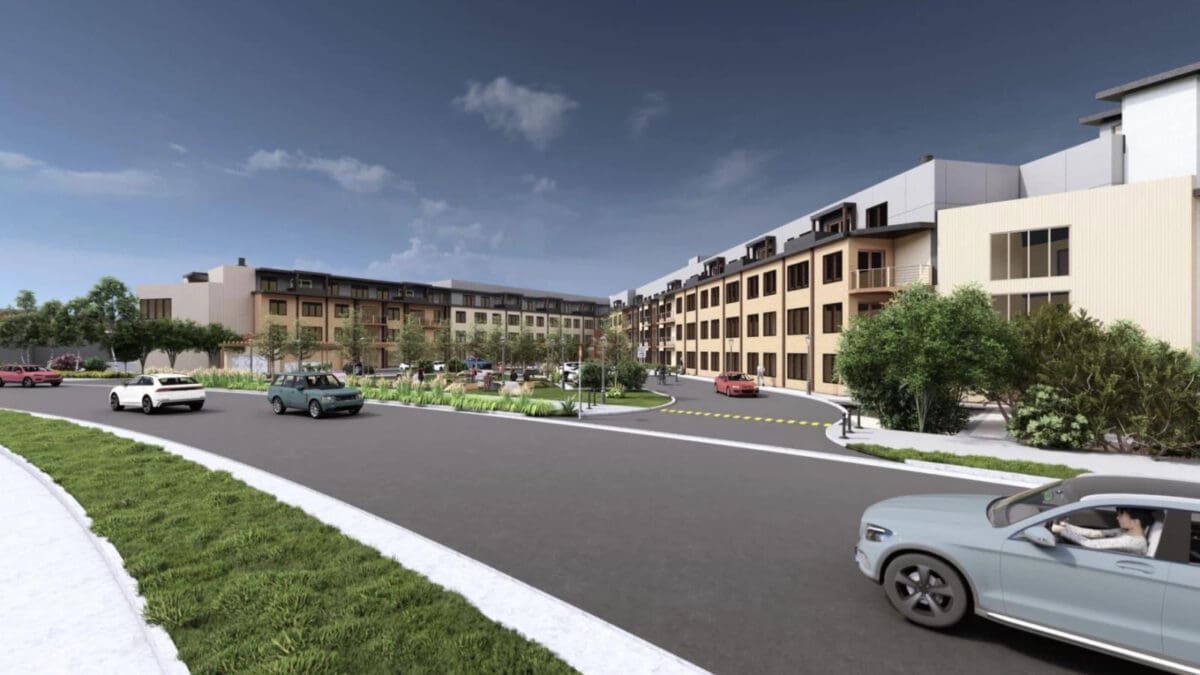
Council member Megan McKenna said the finding stood out, especially after the council’s lengthy discussion about the Cline Dahle affordable housing project earlier in the meeting.
County officials said the assessment drew roughly 1,700 survey responses, with participants weighing in on housing, food security, transportation, access to care, climate preparedness, and sense of community. The survey was offered in English and Spanish.
From that data and a workshop involving about 40 partner organizations, the county identified three priorities for the next five years: strengthening partnerships that affect community health, improving access to food and nutrition, and increasing immunization coverage to reduce preventable disease.
The food access priority reflects what officials described as persistent gaps across the county, particularly in access to affordable, healthy food. They said the county plans to build on existing efforts and better use shared resources such as community kitchens and other food infrastructure.
The immunization priority drew some of the council’s most direct questions. Officials said exemption rates for school-required childhood vaccines have risen over the past five years, raising concern about a growing number of children who are vulnerable to preventable diseases.
“We are still a fairly well-vaccinated community,” a health official said. “But if we keep declining, then we’re going to see more and more things pop up.”
Council member Chris Robinson asked whether the county needed to “reinvigorate childhood vaccinations.” Health officials said the next phase of the work will focus on understanding what is driving the decline, including whether barriers are tied to trust, access, misinformation, or something else.
Officials said the plan is intended to be measurable, with a public dashboard to track progress over time.
Taken together, the presentation suggested Summit County is trying to define health more broadly than medical care alone — and to treat housing strain, food access, and vaccine confidence as part of the same public health picture.


2266 E Garfield Avenue
Salt Lake City, UT 84108