Utah Division of Wildlife Resources marks 125 years of conserving habitat, expanding public access

SALT LAKE CITY — The Utah Division of Wildlife Resources celebrated 125 years since they first purchased land to conserve wildlife habitat and provide public access for outdoor recreation.
The agency’s first acquisition took place on Feb. 25, 1901, when it bought what is now known as the Burraston Ponds Wildlife Management Area in Juab County. Originally called “Two Mile Spring,” the roughly eight-acre parcel was purchased from landowner R.J. Burraston. The property was later renamed in his honor, and additional surrounding acreage was added in the late 1930s.
“The property was purchased for the springs and for the land around the springs in order to grow and produce fish,” DWR Wildlife Lands Coordinator Chelsea Duke said. “The original property was about 8 acres and was focused on providing fishing opportunities. Today, the Mona property spans over 130 acres and provides three ponds. The DWR manages the property for a variety of upland species and waterfowl, as well as a community fishery.”
The agency’s second major land purchase came on May 12, 1909, with the acquisition of the Springville Fish Hatchery property, which was the first state-owned fish hatchery facility in Utah.
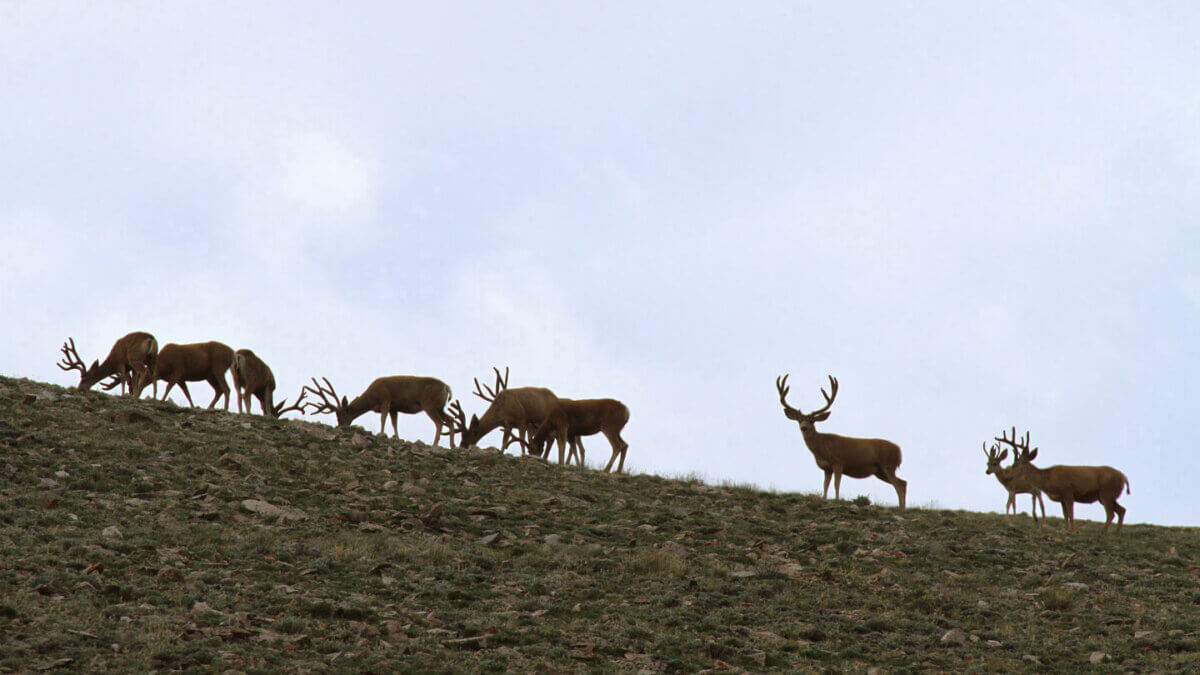
Today, the DWR manages 149 wildlife management areas, commonly referred to as WMAs, across the state. Together, they total more than 500,000 acres — about 780 square miles — with individual properties ranging from a few dozen acres to more than 50,000 acres.
According to the agency, those lands conserve critical wildlife habitats, minimize and mitigate wildlife damage on private property, and provide places for Utahns to hunt, fish and participate in wildlife-based recreation
“These lands are uniquely important because they are the only public lands in Utah whose sole purpose is enhancing and protecting wildlife resources,” Duke said. “Each WMA is acquired specifically because of its importance to wildlife, their habitats and access to wildlife-related recreation for the public.”
While many WMAs are open to the public, some areas or portions are closed seasonally to protect wildlife during winter months or nesting seasons.
The DWR says it continues to acquire and manage lands to balance habitat conservation with public access, underscoring what the agency calls a long-standing commitment to protecting Utah’s wildlife heritage.


4251 E Lipizzan Jump
Moab, UT 84532