Three gray wolves “lethally removed” in Utah under state management authority

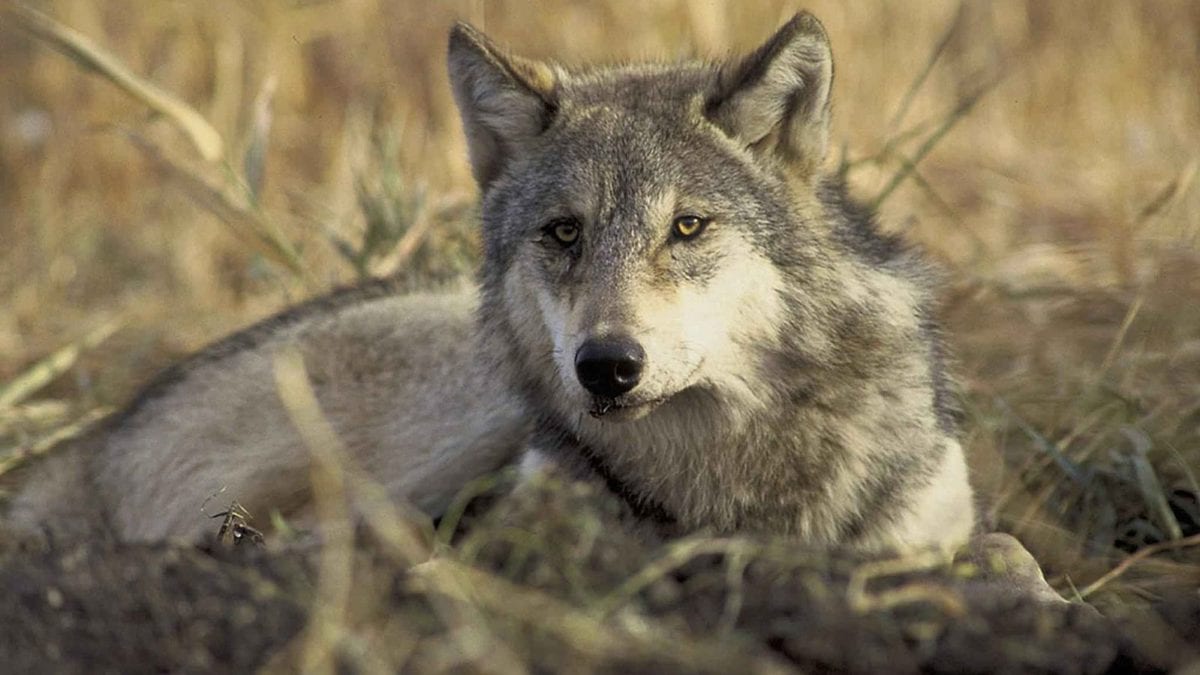
CACHE COUNTY, Utah — Three gray wolves were lethally removed from Cache County after a small pack was found roaming in a portion of northern Utah where wolves have been delisted as an endangered species, the Utah Department of Wildlife Resources confirmed. The Utah Department of Agriculture and Food conducted the removals on Friday, Jan. 9.
View this post on Instagram
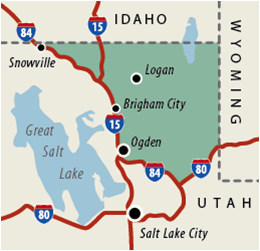
While much of northern Utah falls within the protected Greater Yellowstone Ecosystem, where gray wolves remain listed as an endangered species under federal law, there is a small northeastern portion of the state where wolves have been delisted. This zone, located north of I-80 and east of I-84, is the only area in Utah where the state has authority to manage wolves.
State law directs DWR to prevent the establishment of wolf packs in the delisted portion of Utah, according to spokesperson Faith Jolley. “Lethal removals ensure wolves do not establish breeding populations in Utah,” she said.
Wolves in Utah
With established wolf populations in Wyoming and Colorado, Utah has had at least 21 confirm wolf sightings since 2004 and rare instances of wolf-related livestock depredation, though there are currently no known established packs in the state. As of September 2025, the DWR was aware of at least one lone male wolf present. “With continuing wolf introductions in Colorado, dispersal into Utah is expected to continue and likely increase,” states the DWR website.
Wolves outside of the delisted area in Utah remain protected under the Endangered Species Act. Under a Memorandum of Understanding with Colorado Parks and Wildlife and permits from the U.S. Fish and Wildlife Service, wolves documented in Utah that originated in Colorado can be captured and returned. For wolves not originating from Colorado, DWR coordinates with USFWS to request removal.
“The Utah Division of Wildlife Resources has long urged the U.S. Fish and Wildlife Service to delist wolves statewide,” according to a statement on the DWR website. “DWR leadership, the governor’s office and Utah’s congressional delegation have repeatedly requested that the federal government transfer all wolf management to states.”
Individuals should report any potential wolf sightings in Utah as soon as possible to the nearest DWR office. If possible, include photos or video of the animal, its tracks or scat, as well as a GPS location.
The incident highlights the complicated reality of the wolf ecosystem in the West, where conservation, law, and geography intersect.


621 E Canyon Gate
Park City, UT 84098
4251 E Lipizzan Jump
Moab, UT 84532