Utah drivers urged to watch for deer as daylight hours shrink

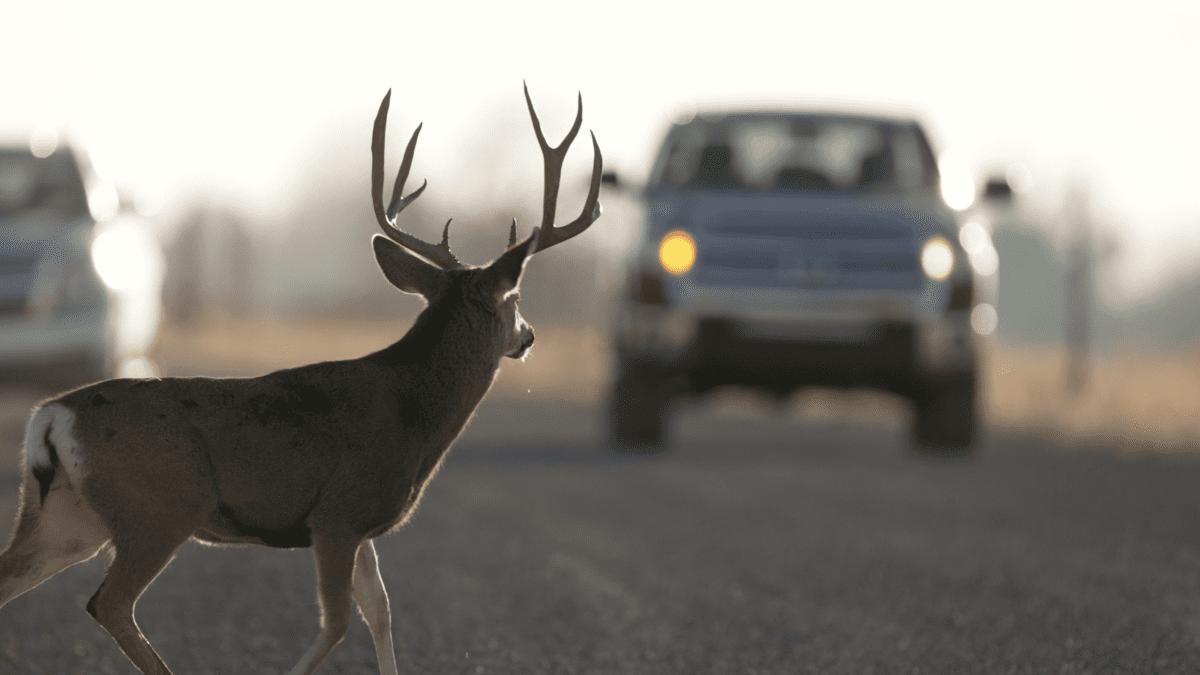
PARK CITY, Utah — The Utah Division of Wildlife Resources is reminding drivers across the Wasatch Back to watch for deer and other wildlife on roadways as fall migration coincides with shorter daylight hours and the end of daylight saving time.
Daylight saving time ends Nov. 1, shifting evening commutes into darker conditions, but deer are still active with mating season and the annual migration in full swing.
During fall and winter, big game animals move to lower elevations in search of food, increasing the number of animals crossing roads. Male deer also move more frequently during mating season as they search for mates. Deer are particularly active around dawn and dusk, which overlap with common commuting hours.
From Jan. 1 through Oct. 8, 3,738 roadkill animals had been removed from Utah roadways, according to DWR. And with the overlap of darker commutes and increased wildlife activity, November is typically the highest-risk month for deer-vehicle collisions in Utah.
Tracking wildlife to reduce collisions
In an effort to reduce collisions, DWR has launched several initiatives to help wildlife managers understand migrations patterns and roadkill hotspots.
The Utah Wildlife Migration Initiative, founded in 2017, uses GPS tracking to identify migration routes, understand where animals spend their time, and determine what barriers may prevent them from accessing critical resources.
In 2022, the DWR partnered with the Utah Department of Transportation to launch the Utah Roadkill Reporter app, a free tool that allows the public to report dead animals on or near roads.
The app collects GPS-based information about animal carcasses, including their locations, whether they have been removed, and the routes contractors take to pick them up.
The data helps the DWR and UDOT identify areas where wildlife crossings and other measures could reduce collisions.
“Using this information, we partner with the Utah Department of Transportation to ensure wildlife crossings are constructed strategically — particularly when those routes cross migration corridors or other areas with frequent collision rates,” said Daniel Olson, the DWR’s impact analysis coordinator.
How drivers can avoid wildlife collisions
Wild Aware Utah recommends several precautions to reduce the risk of hitting wildlife, particularly during low-light conditions.
Among their recommendations, they advise drivers to heed wildlife crossing signs, watch carefully near wooded areas, avoid distractions, and use high-beam headlights when appropriate
If a deer or small animal enters the road, drivers should generally stay in their lane and slow down rather than swerve, which can cause a more serious crash.
If multiple animals are blocking the road, drivers should not attempt to drive through them or leave their vehicles to chase them away. Honking and flashing headlights may encourage the animals to move. Drivers should also proceed cautiously after an animal crosses, as it may return to the road.
What to do if you hit an animal
If a collision leaves a vehicle undriveable, drivers should pull off the road if possible and activate their hazard lights. They should not approach an injured animal.
Call 911 or contact local law enforcement if someone is injured or the animal remains in the roadway and poses a public safety hazard.
Drivers can also report the collision through the Utah Roadkill Reporter app. Reports should include the animal species, a GPS location and a photo, if it is safe to obtain one.
The DWR cautions drivers not to use the app while driving and to avoid exiting their vehicles along busy roads to submit a report.
More information about wildlife and road safety is available through Wild Aware Utah.


2266 E Garfield Avenue
Salt Lake City, UT 84108