For 33 years, Dr. Leslie Webster helped Park City’s children grow up

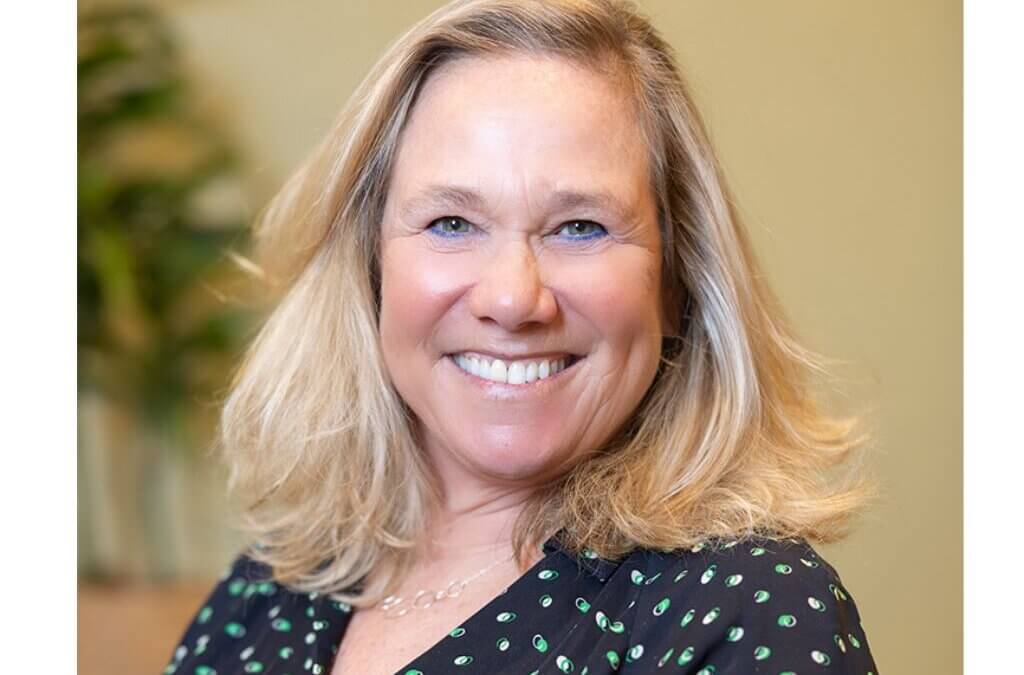
The founder of Summit Pediatrics, now Wasatch Pediatrics’ Summit office, retires after a career that has taken her from caring for children to caring for their children.
PARK CITY, Utah — When Dr. Leslie Webster thinks about the beginning, she remembers being alone.
She was a young pediatrician, newly rooted in Park City, working long days, every day, for the first three years as she tried to establish the dedicated pediatric care she believed the growing mountain community needed.
In 1993, the practice began as Summit Pediatrics. It later merged with Wasatch Pediatrics, where Webster has continued caring for children and families through the organization’s Summit office in Park City.
At the time, Webster said, no pediatrician had successfully established a practice and stayed in Park City. But she loved the community. She had roots here and knew this was where she wanted to build her life and practice.
“I really wanted to establish a pediatric team or a pediatric clinic in Park City because I thought it was time and it was needed,” Webster said. “When I look back now at those first three years of so much time and dedication, I wanted it to be worth it, and it has been so worth it.”
Thirty-three years later, as Webster prepares to retire at the end of September, the measure of what she created lies less in numbers than in generations.
Former patients now bring in babies of their own. Grandparents who once sat beside Webster with their children now return with those same children as they become parents.
Sometimes, Webster said, seeing all three generations together brings tears to her eyes.
“It’s so powerful to have that long-term connection,” she said, becoming emotional as she spoke. “That’s what it’s all about: being a part of the community and a part of so many families’ lives.”
Those connections stretch across Summit and Wasatch counties and beyond. Webster said the practice has cared for families who travel from communities including Evanston, Wyoming, Duchesne and Roosevelt.
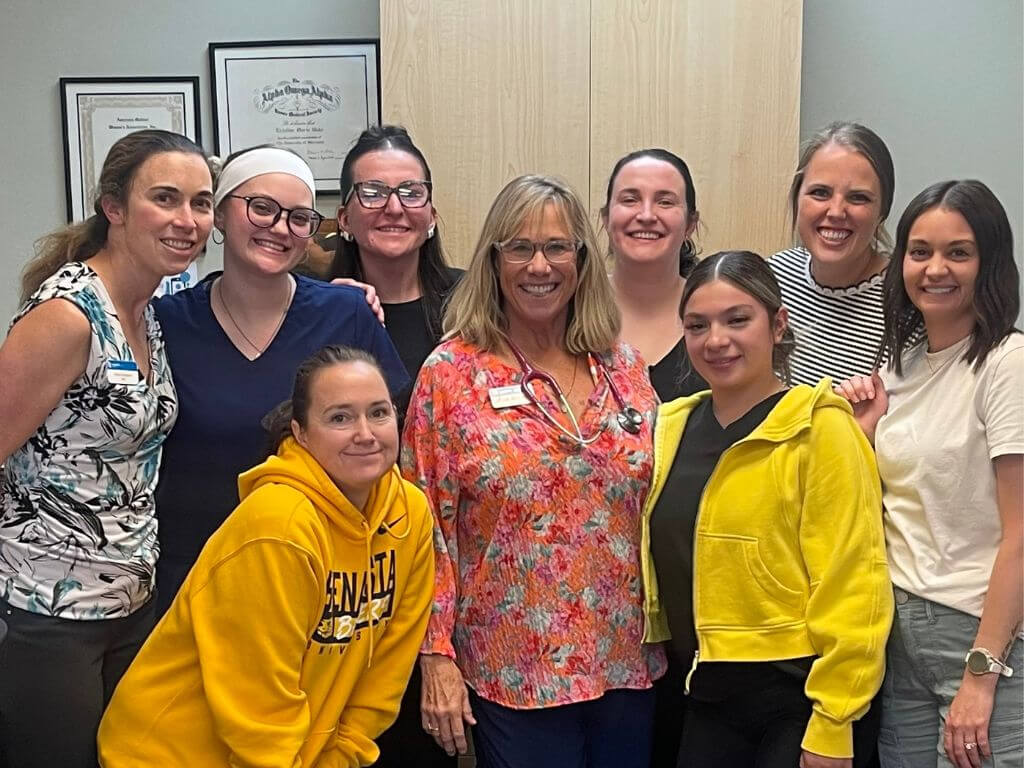
What she loves about this corner of Utah, she said, is the way families remain connected across generations.
She has watched grandparents stay close to grandchildren, extended families help raise children and communities gather around young families in ways she believes are less common elsewhere.
For Webster, that sense of connection reflects what pediatric medicine has always been about.
A pediatrician may be caring for the child sitting on the exam table, but Webster said the work never really stops there.
“You’re also a family doc too,” she said. “You’re interacting with the family with every visit.”
Over more than three decades, Webster has watched pediatric medicine change.
Advances in genetics, technology and treatment have transformed what physicians can diagnose and address. At the same time, much of her work now centers on children’s mental and behavioral health, including anxiety, depression, ADHD and autism spectrum conditions.
She has also watched pediatric medicine move increasingly toward prevention, with doctors addressing nutrition, physical activity, mental well-being and other health factors early in life rather than waiting for problems to emerge in adulthood.
Even so, underneath those changes, the fundamental work remains deeply human.
Pediatricians watch children grow.
They notice when something seems different. They listen to what a child says and sometimes to what they cannot yet say. They come to understand parents, siblings, grandparents, and the complicated family systems surrounding a young person.
And sometimes, the most important thing a doctor does is stay in the room a little longer.
Webster remembers a teenager who came into the practice while struggling with suicidal thoughts.
The clinic had begun prioritizing behavioral health and what Webster described as a “medical home” approach to care. During the visit, she spent extra time with the teenager, listening and helping connect the family with resources.
A few weeks later, the young person returned and told Webster she had saved his life.
Webster is careful about what that meant. She was not the physician who treated the teen in a hospital or managed the crisis with medication.
She listened.
“He felt safe coming here and communicating and having someone listen,” Webster said. “The time we spend as pediatricians and as doctors and caregivers listening to people makes a huge difference.”
Another patient has remained in Webster’s life for nearly her entire medical career.
During Webster’s first year of residency training at Primary Children’s, she helped care for a young woman facing a lengthy medical struggle. Webster grew close to the patient and her family.
Decades passed.
The young woman recovered, grew up, moved to Wyoming, and became a mother.
Recently, Webster saw her again.
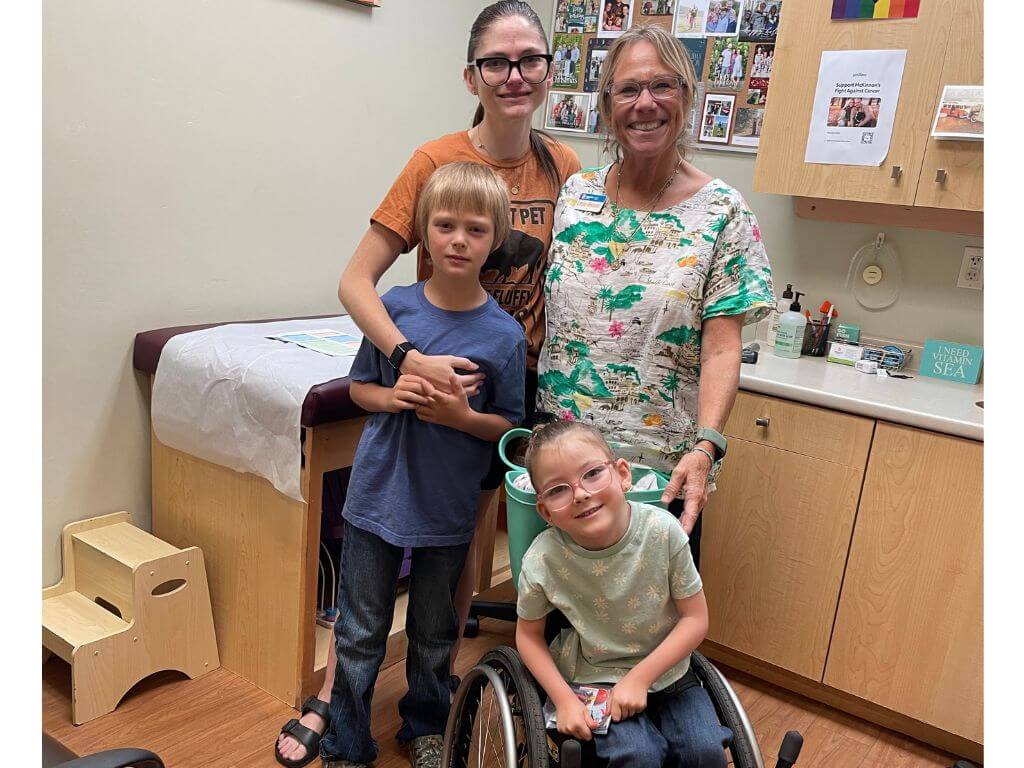
This time, Webster cared for her two young children.
She remains connected to the woman’s mother, too.
For Webster, those moments capture the story of her career: children growing into adults, adults becoming parents, grandparents returning alongside them, and relationships carrying forward over decades.
Those experiences have also shaped what she believes children need most.
Her answer has little to do with medicine.
“They need a brave space” where they can show all of their emotions, Webster said.
They need parents and other adults who slow down enough to listen. They need eye contact, a hug, someone willing to get down to their level. When a young child is overwhelmed or having a tantrum, sometimes what they need most is simply a quiet place and a lap.
“We have such a busy, crazy, chaotic world sometimes,” Webster said. “And kids, all of us, we just need attention and comfort, and to be heard and to be listened to.”
If families could slow down a little, she said, take a breath and stay present with one another for a little longer, it could make an enormous difference.
That philosophy of attention and connection runs through the practice Webster helped build.
But when Webster talks about retirement, she does not linger on programs, medicine, or professional accomplishments.
She talks about the kids.
She will miss the funny things they say.
She has kept a long list of children’s quotes collected over the years. Their observations and humor still make her smile.
“They are so joyful, and they have so much to offer,” Webster said.
She wishes children and adults across generations had more opportunities to learn from one another.
Young children could spend more time with older adults, she said. Teenagers could benefit from meaningful relationships with adults outside their immediate families. Busy adults, meanwhile, might rediscover something through children.
“We can learn so much from each other,” Webster said.
That belief has run through her career: caring for people is not a one-way exchange.
Webster may have spent 33 years caring for Park City families, but she does not speak as though she was the only one giving something.
Her patients gave something back.
As Webster tried to describe what those accumulated relationships have meant, she remembered something her own mother once told her.
Webster had worried about having more than one child and wondered whether there could be enough love to go around.
Her mother told her, “Your heart will find a space for as many kids as you want to have.”
Webster said that lesson also felt true in her work.
“The more people in the community I’ve met, and the more lives I’ve touched, they’ve also touched mine,” she said.
By then, she was tearful, but clear about what retirement means.
“I am retiring with great memories, and lots of love and joy in my heart for this community,” Webster said. “Even though I’m tearful right now, I’m really happy, and I feel very fulfilled.”
After 33 years, that sense of connection may be the simplest measure of Webster’s career: a pediatrician, a practice and a community that grew up together.


4251 E Lipizzan Jump
Moab, UT 84532