Reflective deer silhouettes headed to SR 248 near Hideout

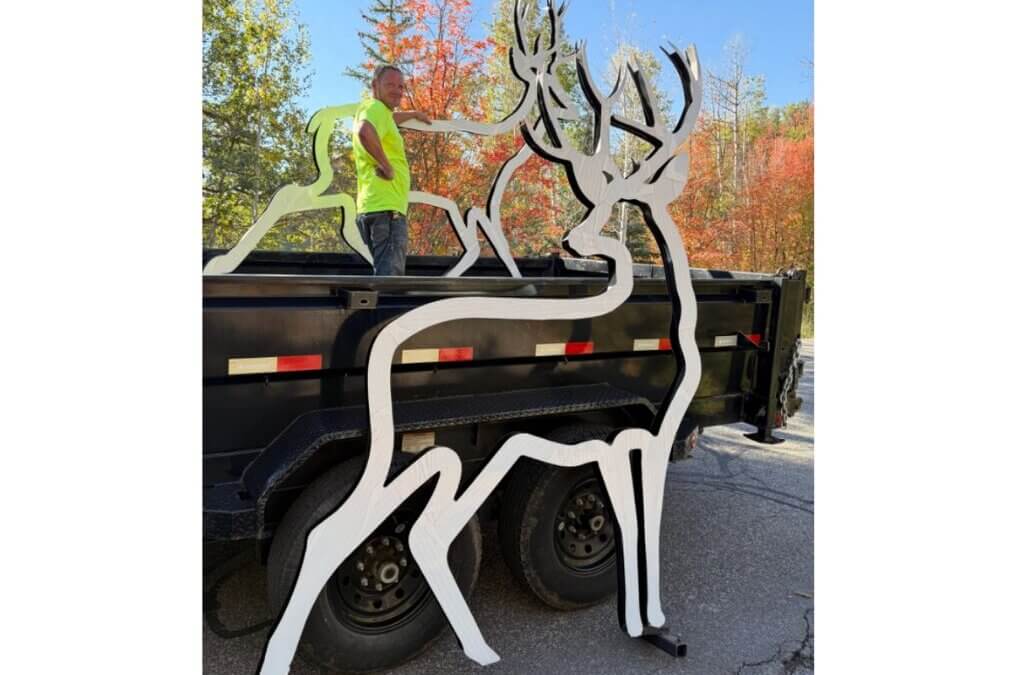
The installation comes as agencies look toward longer-term improvements aimed at reducing wildlife-vehicle collisions along the corridor
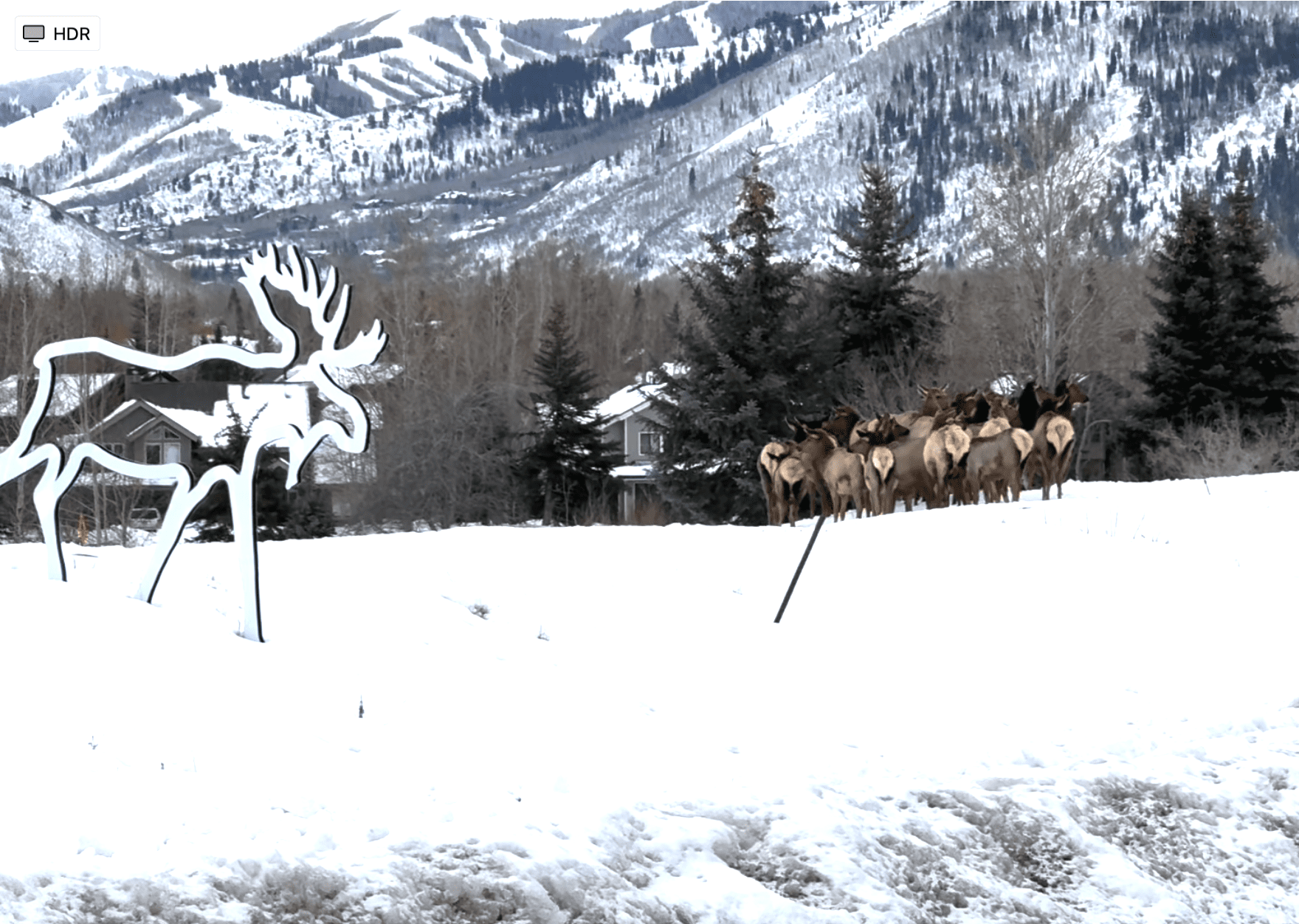
HIDEOUT, Utah — Two reflective deer silhouettes will be placed along SR 248 near Hideout to alert drivers to wildlife crossing the highway.
Save People Save Wildlife donated the silhouettes to the town of Hideout, according to a recent post from the Park City-based nonprofit. Hideout Public Works transported them to the community, and the town and Utah Department of Transportation will decide where along the corridor to install them.
The project follows similar efforts closer to Park City. In April 2025, TownLift reported that two reflective deer silhouettes were installed along SR 248 to draw motorists’ attention to wildlife crossings. Reflective moose silhouettes had previously been installed along SR 224 in 2023.
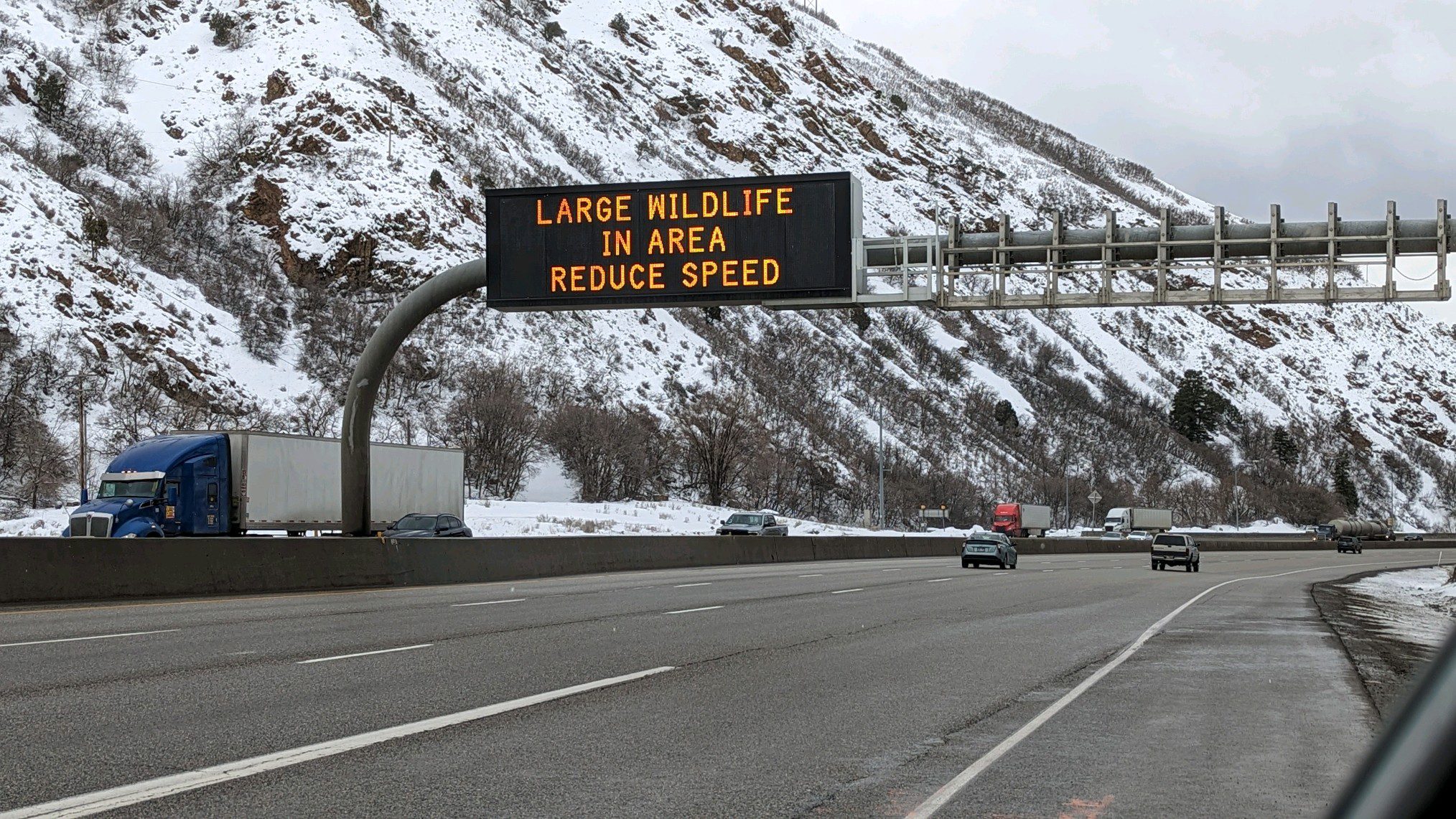
The new installations are part of broader efforts to reduce wildlife-vehicle collisions along SR 248.
The Utah Division of Wildlife Resources and UDOT hired Bio-West to conduct a wildlife-vehicle collision reduction study using roadkill pickup and crash data from the corridor. The completed study analyzed SR 248 from U.S. 40 east to Kamas and developed potential mitigation options for different sections of the highway.
According to the state project summary, DWR and UDOT identified the stretch of SR 248 through Summit and Wasatch counties as an area with a high frequency of wildlife-vehicle collisions. The project summary notes that more than 1,000 mule deer carcasses were collected along the corridor over 14 years. Although existing wildlife exclusion fencing covers much of the route, it is aging, and new development has created gaps in some areas.
DWR and UDOT plan to use the study’s recommendations to seek funding and grants for future improvements.
Save People Save Wildlife said the reflective silhouettes are intended to increase motorist awareness while wildlife fencing and connectivity improvements are pursued.
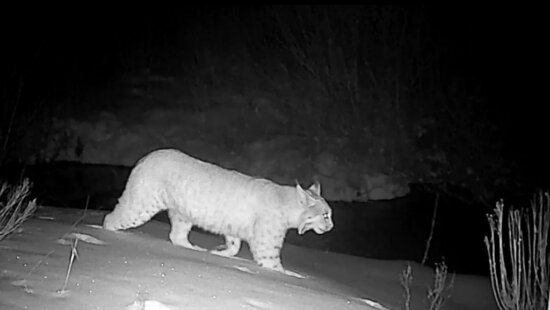
The nonprofit is also studying wildlife movement along SR 224. In August, TownLift reported that cameras along that corridor are documenting where animals approach and cross the roadway, and the information is expected to help guide future recommendations for fencing, detection systems, and potential wildlife crossings.


2266 E Garfield Avenue
Salt Lake City, UT 84108