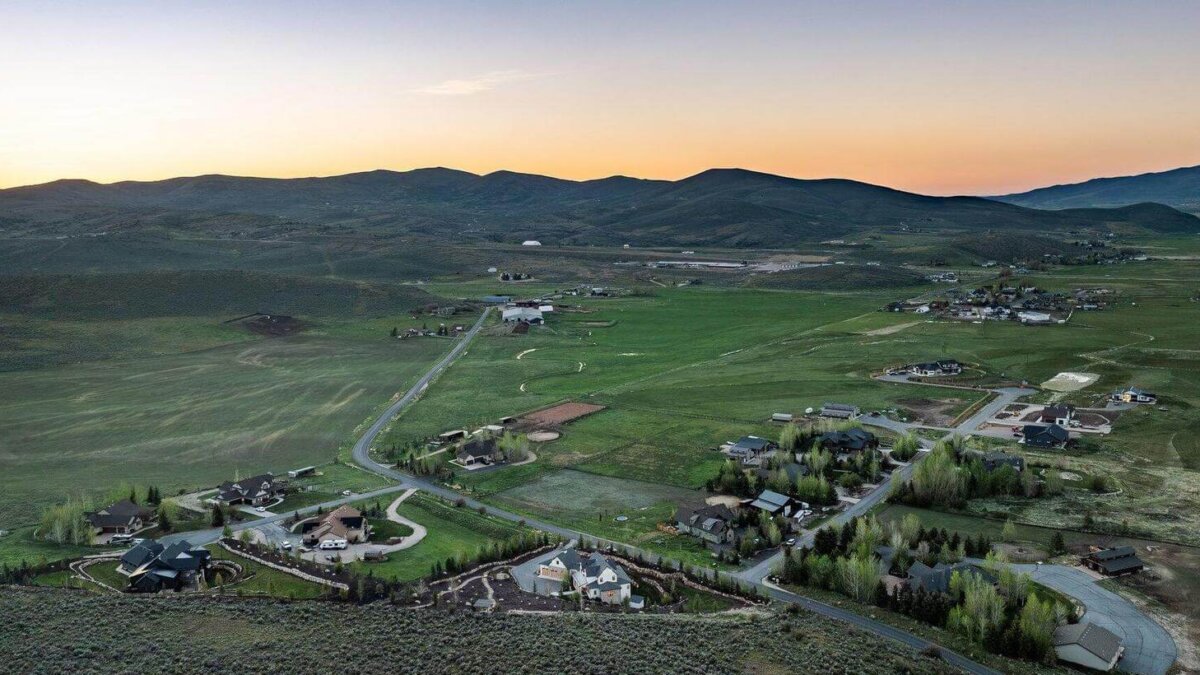
Can you create a city before a single family moves in? It sounds like the plot of a science fiction novel, but in Utah, it’s becoming a reality.
As Utah continues to experience explosive population growth and a persistent housing shortage, state lawmakers are looking for new ways to accommodate thousands of future residents. One of the most talked-about legislative changes is the creation of the preliminary municipality, a concept that allows an entirely new city government to begin operating before anyone actually lives there.
It’s a fascinating shift in how communities are planned—and it’s generating plenty of debate.
Why was this law created?
Utah has been one of the fastest-growing states in the nation for years. With that growth comes a difficult challenge: building enough homes while ensuring roads, utilities, schools, parks, and public services are ready when residents arrive.
Traditionally, counties oversee these massive developments until enough people live there to incorporate as a city. But supporters of the new law argued that counties weren’t designed to manage enormous master-planned communities that can span tens of thousands of acres.
Lawmakers responded by creating a pilot program that introduces the concept of a Preliminary Municipality.
The goal? Plan and govern a future community before the first front door is ever opened.
So…what exactly is a preliminary municipality?
Imagine designing an entire town from the ground up.
Not just neighborhoods, but roads, water systems, parks, emergency services, and long-term governance.
A preliminary municipality is exactly that.
Unlike a traditional city, it begins with:
- No residents
- No elected mayor or city council
- An appointed governing board established through state law
- Authority to begin planning and managing infrastructure before homes are built
In other words, Utah has created a legal pathway to establish a city before it physically exists.
How is this different from a traditional city?
Normally, becoming a city follows a familiar process:
- People already live in an area
- Residents vote to incorporate
- They elect local officials
- The new city begins governing
The preliminary municipality model turns that timeline upside down.
Instead, the process generally works like this:
- A developer owns a qualifying large tract of land intended for future residential development.
- An application is submitted that includes feasibility studies, financial assurances, public hearings, and a petition.
- The Lieutenant Governor reviews whether all statutory requirements have been satisfied.
- If approved, a Preliminary Municipality is officially created.
- Infrastructure construction begins while the appointed governing body oversees the developing community.
- Once the community reaches more than 99 residents, it begins transitioning into a traditional municipality with elections for local officials.
Essentially, governance starts before the population arrives.
Why supporters like the idea
Advocates believe this approach could help Utah respond more efficiently to rapid growth.
Potential benefits include:
- Faster housing development
- Better long-term infrastructure planning
- More predictable development approvals
- Stronger coordination between utilities, roads, and public services
- Increased economic development opportunities
Supporters argue that planning communities as municipalities from day one creates fewer surprises later and allows infrastructure to keep pace with growth.
Why critics have concerns
Not everyone agrees this is the right approach. Critics raise several important questions.
Among their concerns are:
- Does the process give too much influence to developers?
- Will counties lose local decision-making authority?
- Who represents residents before residents actually exist?
- Could local environmental concerns receive less scrutiny?
- Does state oversight reduce community input?
These questions continue to fuel discussion among lawmakers, planners, local governments, developers, and residents alike.
Why this matters to Utah communities
Whether you live in Park City, Summit County, Wasatch County, or anywhere along the Wasatch Front, Utah’s growth affects all of us.
Housing availability, transportation, water resources, schools, recreation, and open space are increasingly connected to how communities are planned.
While preliminary municipalities may only apply to very specific large-scale developments, the concept represents a significant evolution in how Utah prepares for future growth.
The conversation isn’t simply about building more homes.
It’s about deciding how tomorrow’s communities should be created—and who gets a voice in shaping them.
Looking ahead
As Utah continues to grow, new ideas like the Preliminary Municipality will likely remain central to discussions about housing, infrastructure, and local government.
Will this innovative approach become a model for future development?
Or will concerns about governance and local control lead lawmakers to revisit the program? Only time will tell. One thing is certain: the communities of tomorrow are already being planned today.
What do you think?
Should a city be able to begin governing before anyone lives there, or should local government always begin with the people who call it home?
Stay tuned next week as we continue breaking down the legislation and policies shaping Utah’s future—one story at a time.
Julie Snyder is a top Park City real estate agent and founder of Inhabit Park City, specializing in luxury homes, land, and lifestyle-driven properties. As a leading agent at Summit Sotheby’s International Realty, she has closed over $300 million in transactions and is known for her strategic pricing, strong negotiation skills, and high-touch client experience.
Julie combines deep local knowledge of Park City’s neighborhoods, schools, and outdoor lifestyle with a data-driven approach to help buyers and sellers make informed decisions. From legacy estates to full-time family homes, she guides clients through every step of the process with clarity, discretion, and results.
BE IN THE KNOW! SIGN UP BELOW FOR LOCAL BUSINESS, MARKET, AND EVENT UPDATES.

Julie Snyder, INHABIT Park City Summit Sotheby's
TEL. 339-222-0935
EMAIL. julie@inhabitparkcity.com