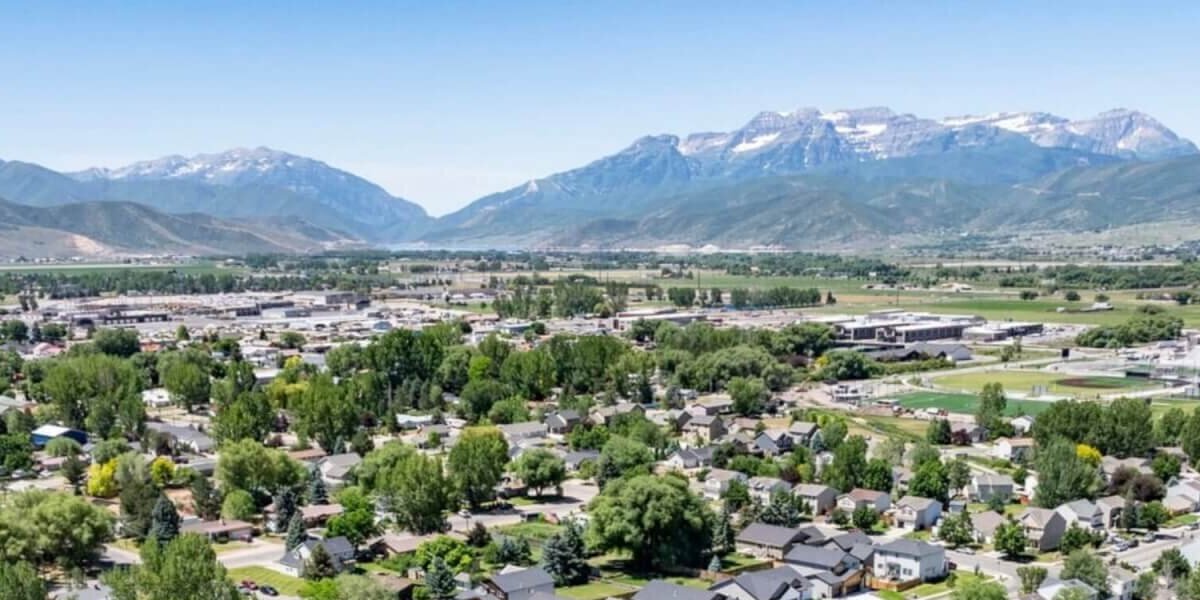
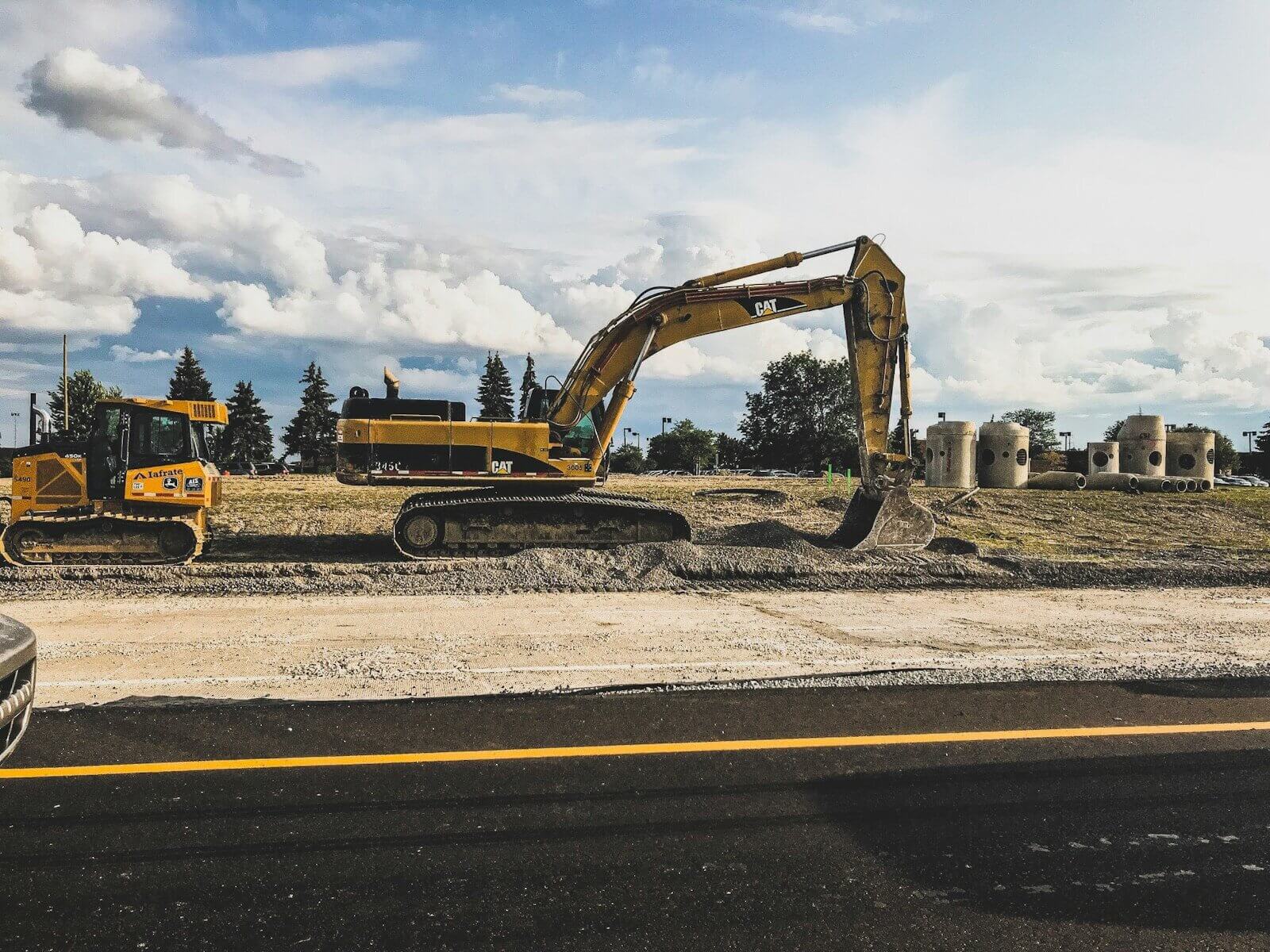
Drive through almost any Utah community today, and you’ll likely see the same thing: orange construction fencing, survey stakes, heavy equipment, and signs announcing a future neighborhood.
For some people, it’s exciting progress. For others, it’s a reminder that their community is changing.
But have you ever wondered who actually decides whether that neighborhood gets built?
Is it the developer?
The mayor?
The county council?
The planning commission?
The answer is all of the above—and none of them alone.
Contrary to popular belief, a developer cannot simply buy land and start building homes. Every subdivision, apartment community, mixed-use project, or master-planned neighborhood must undergo a lengthy public process involving planning professionals, engineers, elected officials, state agencies, and members of the public.
Understanding that process helps explain why some projects move quickly, others take years, and many change dramatically before the first foundation is ever poured.
It All Starts With the Land
Long before architectural renderings appear online or construction equipment arrives, every piece of land already has rules attached to it.
These rules are known as zoning.
Zoning determines how property can be used. Depending on the designation, land may be reserved for:
- Single-family homes
- Apartments or condominiums
- Commercial businesses
- Industrial uses
- Agriculture
- Open space or conservation
- Mixed-use developments
Think of zoning as a community’s rulebook. It helps separate incompatible land uses while guiding future growth.
But zoning isn’t created randomly.
It is shaped by another important document called the General Plan.
The Community’s Vision
Every city and county in Utah is required to prepare a General Plan—a long-range vision for how the community should grow.
Unlike zoning, which establishes legally enforceable land-use regulations, the General Plan serves as a policy guide.
It considers questions like:
- Where should future housing go?
- How can traffic be managed?
- Where will future parks be needed?
- How should open space be protected?
- Where should businesses locate?
- How can infrastructure keep pace with growth?
While the General Plan doesn’t automatically approve development, it often influences future zoning decisions and provides guidance to elected officials when major projects are proposed.
When a Developer Has an Idea
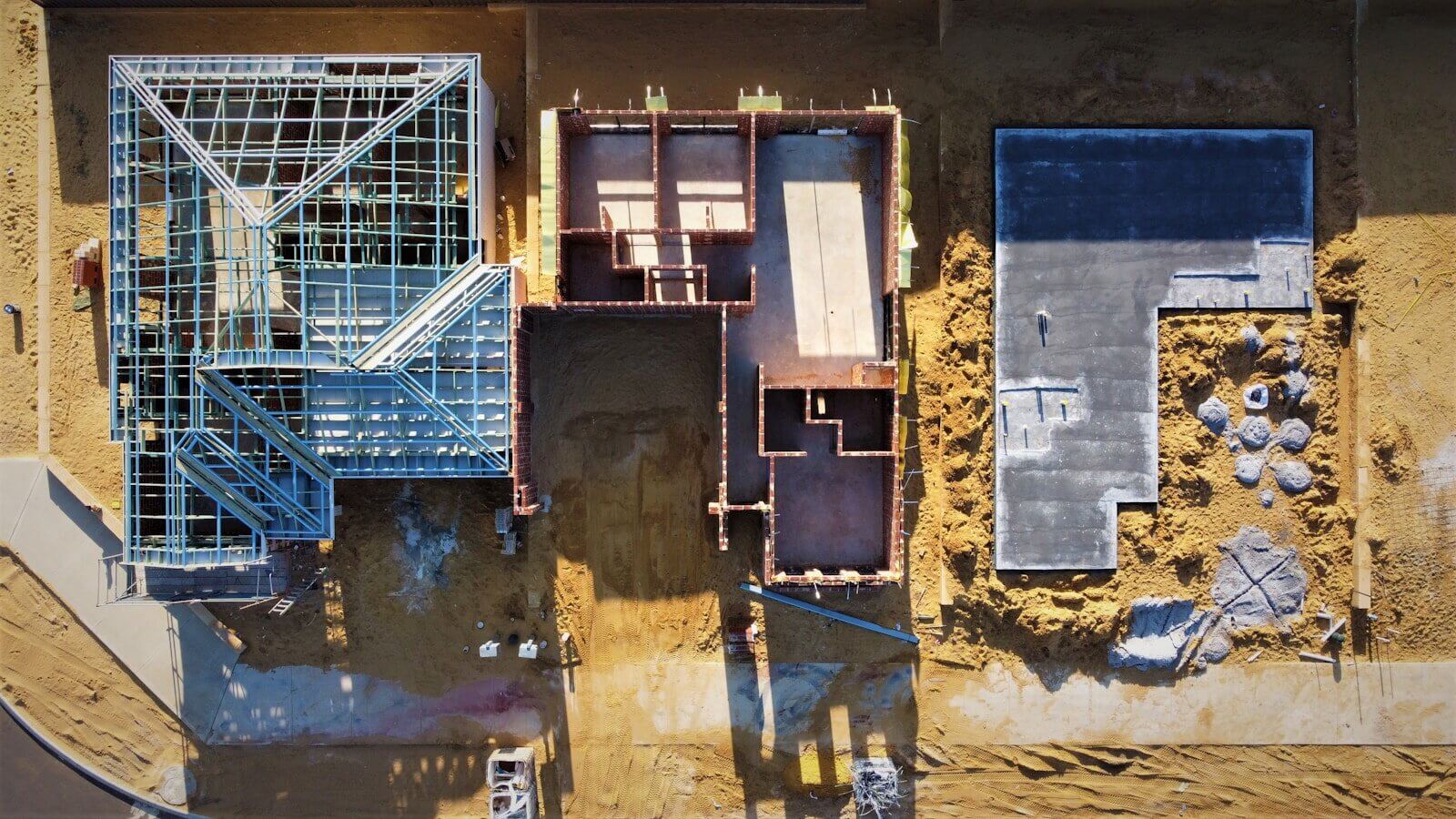
Suppose a developer purchases several hundred acres on the edge of town.
Owning the property doesn’t automatically mean homes can be built.
First, the developer works with planners, engineers, architects, surveyors, traffic consultants, and environmental specialists to prepare a proposal.
Depending on the project, that proposal may include:
- Traffic impact studies
- Water availability analyses
- Utility plans
- Stormwater management
- Road improvements
- Environmental reviews
- Parks and open-space plans
- School coordination
- Phasing schedules
The larger the project, the more technical review is usually required.
Before local officials even discuss approval, professionals may spend months—or years—refining the plans.
Enter the Planning Commission
One of the most misunderstood groups in local government is the Planning Commission.
Planning Commissioners are typically local residents appointed to review land-use proposals and ensure they comply with the community’s adopted plans and development codes.
During public meetings, commissioners review staff reports, hear presentations from applicants, receive public comments, and ask questions about issues such as:
- Traffic
- Building height
- Density
- Landscaping
- Parking
- Public safety
- Neighborhood compatibility
- Environmental concerns
Depending on the type of application, the Planning Commission may approve a project, deny it, or make a recommendation to the elected governing body.
Not every project follows the exact same path.
The Role of the County or City Council
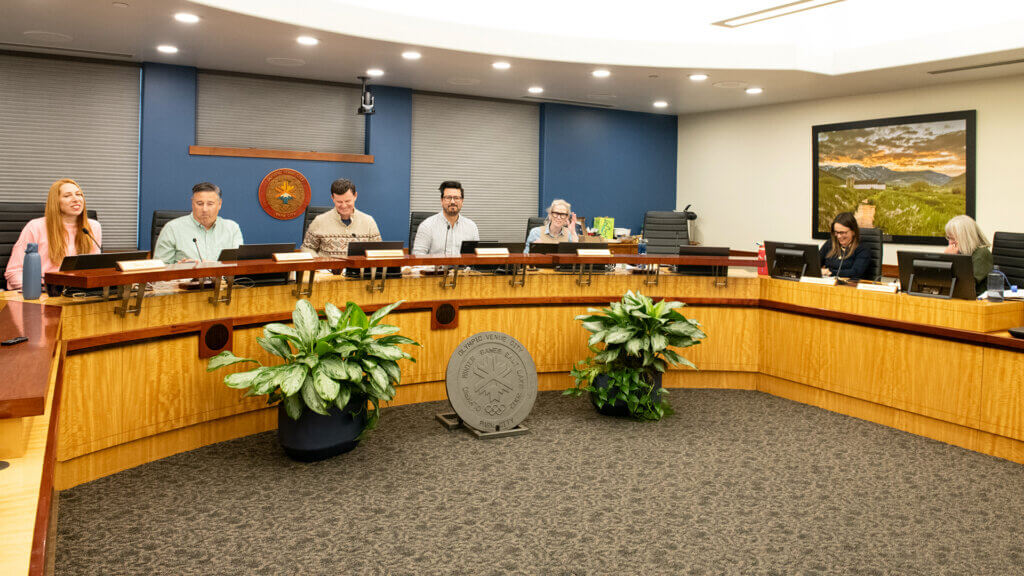
Major decisions—especially those involving rezoning, annexation, or changes to long-term planning policies—are often made by elected officials.
City councils and county councils weigh many competing priorities:
Residents may ask for less traffic.
Developers may emphasize the need for additional housing.
Business owners may advocate for economic growth.
Conservation groups may encourage protecting open space.
Public works staff may identify infrastructure challenges.
School districts may discuss enrollment impacts.
The council’s responsibility is to balance these competing interests while following state law and local ordinances.
Sometimes that means approving a project.
Sometimes it means requesting changes.
Sometimes it means saying no.
Can Residents Have a Voice?
Absolutely.
Public participation is one of the most important parts of Utah’s land-use process.
Residents can typically:
- Attend public hearings.
- Submit written comments.
- Speak during public meetings.
- Meet with elected officials.
- Review development applications.
- Participate in updates to the General Plan.
While public input doesn’t guarantee a particular outcome, it often influences project design.
Developers frequently revise plans after hearing community concerns.
Additional landscaping may be added.
Road connections may change.
Building heights may be reduced.
Parks may be expanded.
Open space may be preserved.
Many projects approved today look significantly different from the original proposal because of community feedback.
Why Does It Take So Long?
One question nearly everyone asks is:
“Why can’t they just make a decision?”
The answer is that development is rarely simple.
Large projects involve numerous agencies and technical reviews.
Questions about roads, water capacity, emergency services, utilities, environmental impacts, and financing all take time to evaluate.
In some cases, revisions requested by staff or elected officials send plans back for additional engineering or redesign before returning for another public hearing.
While the process can feel slow, each review is intended to ensure new neighborhoods are safe, financially sustainable, and compatible with surrounding communities.
Why This Matters in Summit County
Growth has become one of the defining conversations across Summit County.
Whether discussing workforce housing, preserving open space, transportation, or maintaining community character, nearly every conversation eventually comes back to one question: How should we grow?
That question doesn’t have a single answer.
Instead, it is addressed through planning documents, public meetings, technical analysis, elected leadership, and community involvement.
Understanding the process allows residents to participate more effectively—and earlier—before major decisions are made.

Key Takeaways
Before any neighborhood is built, multiple layers of review typically occur.
Developers propose projects, but they do not approve them.
Planning commissions evaluate proposals against adopted plans and development regulations.
Elected officials make many of the final policy decisions, particularly when zoning changes or annexations are involved.
Most importantly, residents have opportunities to participate throughout the process, helping shape the communities they call home.
Growth may be inevitable, but how that growth happens is determined through planning, public engagement, and local decision-making.
Looking Ahead
Housing remains one of Utah’s most talked-about issues.
Many residents ask the same question:
“If everyone agrees we need more homes…why is it so difficult to build them?”
In Part 3 of Growth Explained, we’ll explore the economics behind housing affordability—from land prices and construction costs to labor shortages, financing, regulations, and why solving the housing crisis is more complicated than simply building more homes.
Julie Snyder is a top Park City real estate agent and founder of Inhabit Park City, specializing in luxury homes, land, and lifestyle-driven properties. As a leading agent at Summit Sotheby’s International Realty, she has closed over $300 million in transactions and is known for her strategic pricing, strong negotiation skills, and high-touch client experience.
Julie combines deep local knowledge of Park City’s neighborhoods, schools, and outdoor lifestyle with a data-driven approach to help buyers and sellers make informed decisions. From legacy estates to full-time family homes, she guides clients through every step of the process with clarity, discretion, and results.

Moving to Park City, Utah: what the growth numbers mean for buyers
BE IN THE KNOW! SIGN UP BELOW FOR LOCAL BUSINESS, MARKET, AND EVENT UPDATES.

Julie Snyder, INHABIT Park City Summit Sotheby's
TEL. 339-222-0935
EMAIL. julie@inhabitparkcity.com