Summit Land Conservancy protects nearly 100 acres in Kamas Meadows

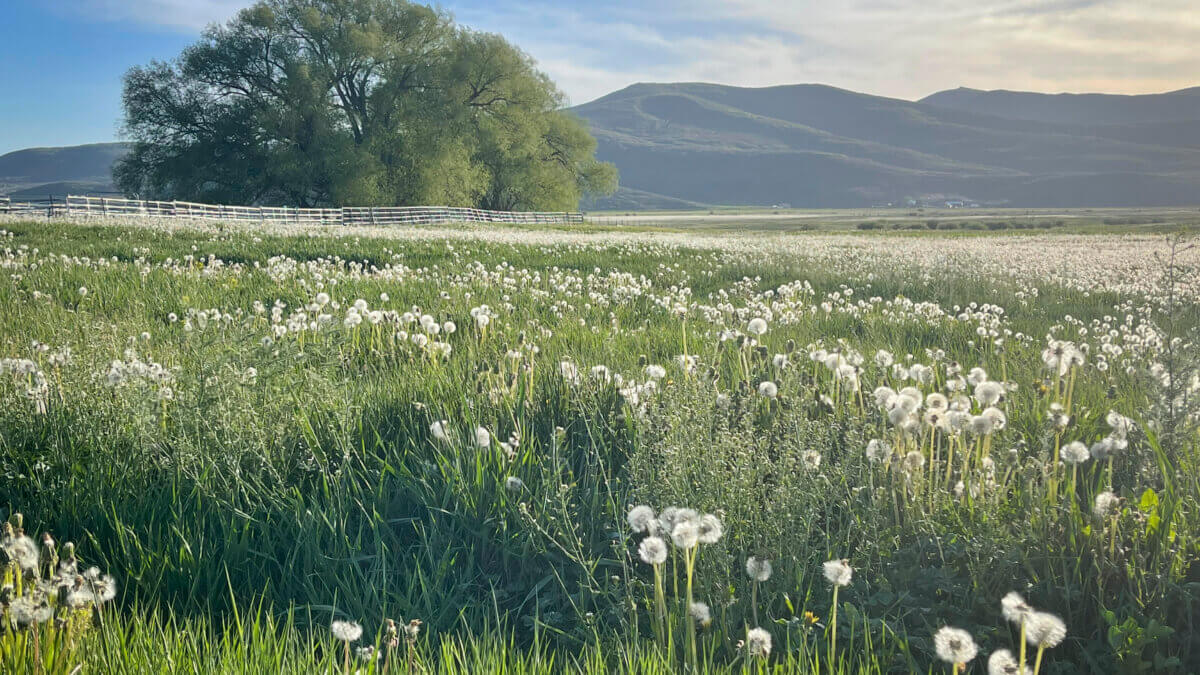
Conservation easement on Lind Ranches preserves working agricultural land, wet meadows and water resources in the Kamas Valley
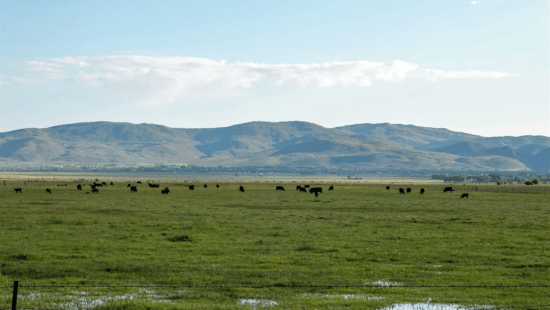
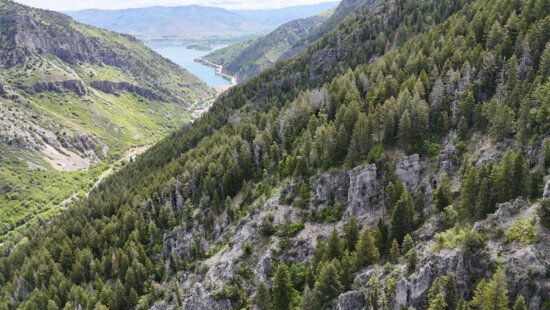
KAMAS, Utah — Nearly 100 acres of working agricultural land in the Kamas Valley have been permanently protected through a new conservation easement intended to preserve farmland, wildlife habitat and water resources in the Kamas Meadows.
Summit Land Conservancy announced Aug. 17 that it had completed the easement on Lind Ranches, a roughly 99-acre property in Marion with open pastures, riparian areas and wet meadows.
The property sits within the Kamas Meadows, an agricultural landscape where wetlands and water systems connect with Beaver Creek and the Weber River.
The easement is the 19th completed through the conservancy’s “For the Future” campaign, which was created to accelerate land conservation. According to Summit Land Conservancy, projects completed through the campaign have permanently protected more than 15,000 acres across northern Utah.
The Lind family purchased the original ranch in 1978 and added neighboring parcels in the mid-1980s. The property has remained a working agricultural landscape for nearly 50 years and is primarily used for rotational cattle and horse grazing.
The ranch supports about 80 to 90 head of cattle, according to the conservancy, and the family plans to continue grazing the property while maintaining habitat used by wildlife.
“Having lived much of our lives in this community, we have a deep appreciation for the agricultural heritage that has shaped the Kamas Valley and particularly for the hardworking families who have sustained it for generations,” landowner Amy Ryldach said.
Ryldach said protecting the property within the Kamas Meadows corridor honors the family’s roots and preserves the valley’s rural character.
“We are honored to place this ranch under a conservation easement and are grateful to Summit Land Conservancy for their dedication to protecting the landscapes, open spaces, and way of life that make this community so special,” she said.
The Kamas Meadows were designated by the Natural Resources Conservation Service in 2023 as a grassland of special environmental significance. The federal agency has identified the area for its wetlands, agricultural land, soils of statewide importance, and role in maintaining water quality and flows through the Weber River basin.
Lind Ranches contains hydric soils, which develop under conditions where the ground is saturated or flooded for significant periods. According to the conservancy, those soils help hold and move water through the landscape and filter groundwater before it reaches Beaver Creek.
Flood irrigation and the property’s high water table also help maintain surface flows into Beaver Creek and contribute to groundwater recharge, the conservancy said.
“Protecting the Kamas Meadows is really about protecting the systems that sustain the valley,” Summit Land Conservancy CEO Cheryl Fox said. “These meadows hold and move water, recharge groundwater, support agriculture, and provide habitat for wildlife.”
The ranch also provides habitat for elk and mule deer, particularly during winter, according to the conservancy. Sandhill cranes use its wet meadows for foraging and nesting during spring and summer.
Federal conservation officials have identified the broader Kamas Meadows as wetland habitat for migratory waterbirds, including sandhill cranes.
The property is visible from State Route 32, where its pastures, agricultural fields, riparian areas, and undeveloped land contribute to the Kamas Valley’s open landscape.
Under the conservation easement, development rights on the property are permanently restricted while agricultural operations can continue.
Lind Ranches is bordered on three sides by other open agricultural properties, creating a larger connected area of working farmland and habitat as development continues in eastern Summit County.
The project also reflects long-standing county goals for agricultural preservation. The Eastern Summit County General Plan calls for protecting agricultural lands and open space and recognizes conservation easements as one tool for doing so.
The project was completed with support from the U.S. Department of Agriculture’s Natural Resources Conservation Service, Summit County’s Eastern Summit County Agriculture Preservation and Open Lands Advisory Board, and Summit Land Conservancy donors.
“The Lind Ranches conservation effort has been a long time coming,” Summit County Lands and Natural Resources Director Jessica Kirby said.
Kirby said the effort began when the family approached Summit County in late 2022 and continued through the county’s partnership with Summit Land Conservancy.
“This project protects a keystone property in the heart of the meadows that strengthens conservation across the entire landscape,” Kirby said. “I am especially grateful to the Lind family for their patience to see this to the finish!”
Fox said Lind Ranches demonstrates how conserving agricultural land can also protect other natural resources.
“A farm or ranch isn’t just a place where food is produced,” she said. “It can be a wetland, a wildlife refuge, a groundwater recharge area, and an important part of a community’s identity all at once.”
With the easement in place, Lind Ranches will remain in agricultural use while nearly 100 acres of the Kamas Meadows are protected from future development.


4251 E Lipizzan Jump
Moab, UT 84532