Park City’s tiniest apex predator is out in force, and it’s eating your grasshoppers

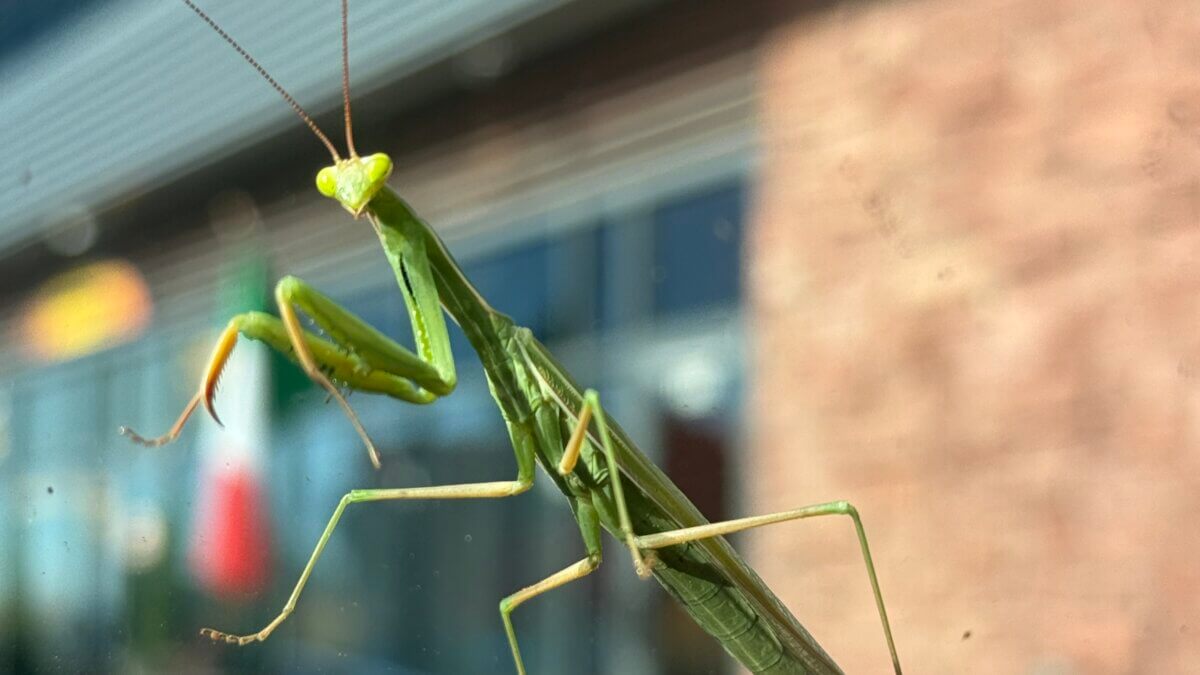
PARK CITY, Utah — If a four-inch green insect with folded “praying” forelegs has shown up on your window or around your yard recently, relax. Late summer is peak praying mantis season in Summit County, and the mantis is harmless to people and pets while doing free pest control on the side.
Two introduced species dominate Utah, according to Utah State University Extension: the Chinese mantid, the largest mantis in North America at up to five inches, and the smaller, usually all-green European mantid. Utah also has a native, the Arizona bordered mantis, marked by a light yellow border on its wings, per Salt Lake City’s Red Butte Garden.
Mantises hatch in spring and reach full size by late August, which is why sightings spike now. They are ambush predators, sitting motionless until they strike passing insects with spined forelegs. Young mantids eat aphids and mites. Adults take grasshoppers, moths, flies, and crickets. One caveat: USU Extension notes that mantids are not picky and will eat bees, butterflies, and other beneficial insects too, making them generalist predators rather than targeted pest control.
What residents should know:
- They cannot hurt you. Mantises do not sting and are not venomous. If one wanders inside, coax it onto paper and release it outdoors.
- Watch for egg cases this fall. Adults die with the first hard frost, leaving behind tan, foam-like egg cases on twigs and fences that look like toasted marshmallows. Each holds 50 to 150 eggs. Leave them in place and a new generation hatches in spring.
- Expect sightings through October, with the biggest individuals showing up latest.
For a creature this alien-looking, the mantis is one of the most benign visitors a Summit County homeowner will meet, a patient hunter quietly thinning the local grasshopper population.


4251 E Lipizzan Jump
Moab, UT 84532