Drought is shrinking wildlife forage, prompting officials to issue more elk permits

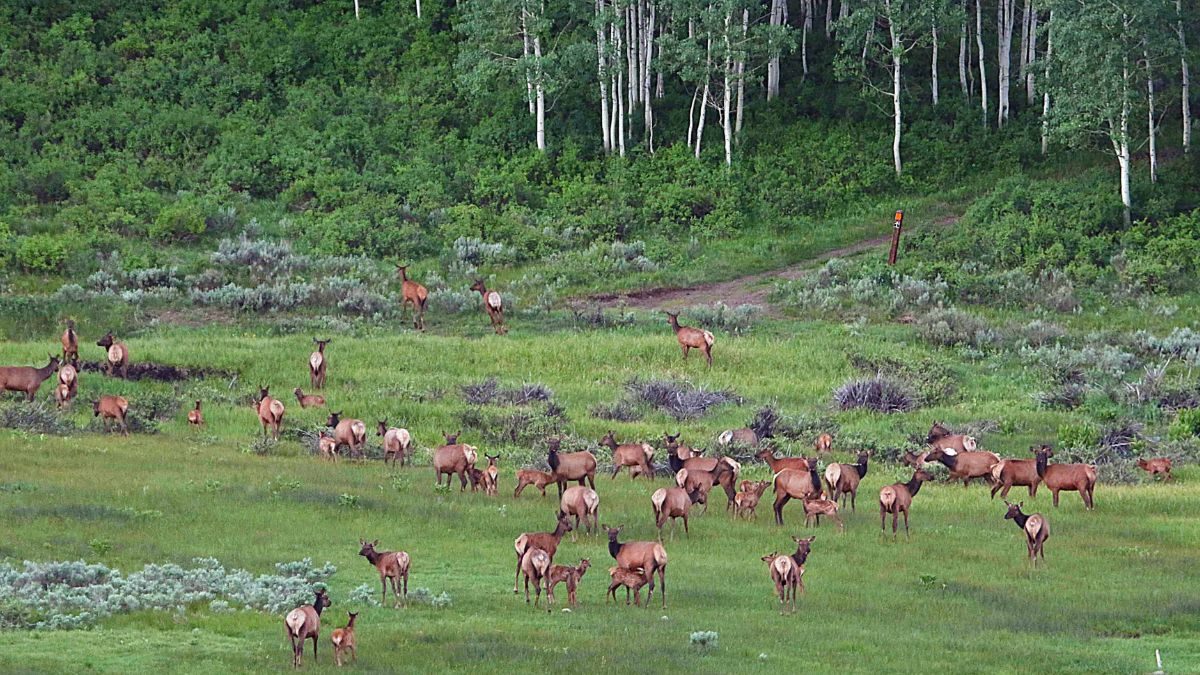
UTAH — Extreme drought conditions and dwindling forage have prompted Utah wildlife officials to approve 450 additional antlerless elk hunting permits for the 2026 season, including permits in Wasatch Back hunting units.
The Utah Wildlife Board approved the additional permits Thursday in an effort to reduce pressure on limited habitat in areas where elk populations exceed management objectives.
“Ongoing drought conditions have reduced the available amount of feed for wildlife in these areas,” Utah Division of Wildlife Resources Big Game Coordinator Mike Wardle said. “Issuing additional antlerless permits will help redistribute the elk in these areas, which will reduce the pressure and possible competition for limited forage.”
The additional permits will be issued across nine hunting units in southern, northeastern and central Utah. The affected units are Panguitch Lake; Mt. Dutton; Monroe; Fishlake; Boulder; North Slope, Three Corners; Nebo; and Wasatch.
The Wasatch and North Slope, Three Corners units extend into areas of northern Utah and the Wasatch Back, where wildlife habitat is facing the effects of the state’s ongoing drought.
Rather than opening a new application period, the permits will be distributed through alternate draw lists already generated for each individual hunt, according to the DWR.
The decision reflects another consequence of Utah’s dry conditions as wildlife managers seek to balance animal populations with the amount of forage available on the landscape. When elk populations exceed management objectives during periods of limited vegetation, increased competition for food can place additional pressure on already stressed habitat.
The additional permits are for antlerless elk, which wildlife managers use as a primary tool for managing herd populations and growth.
The DWR did not specify in its announcement how the 450 permits will be divided among the nine affected hunting units.


2266 E Garfield Avenue
Salt Lake City, UT 84108