2026 Candidate Profile: Christie Babalis on smart growth, housing and planning for the future
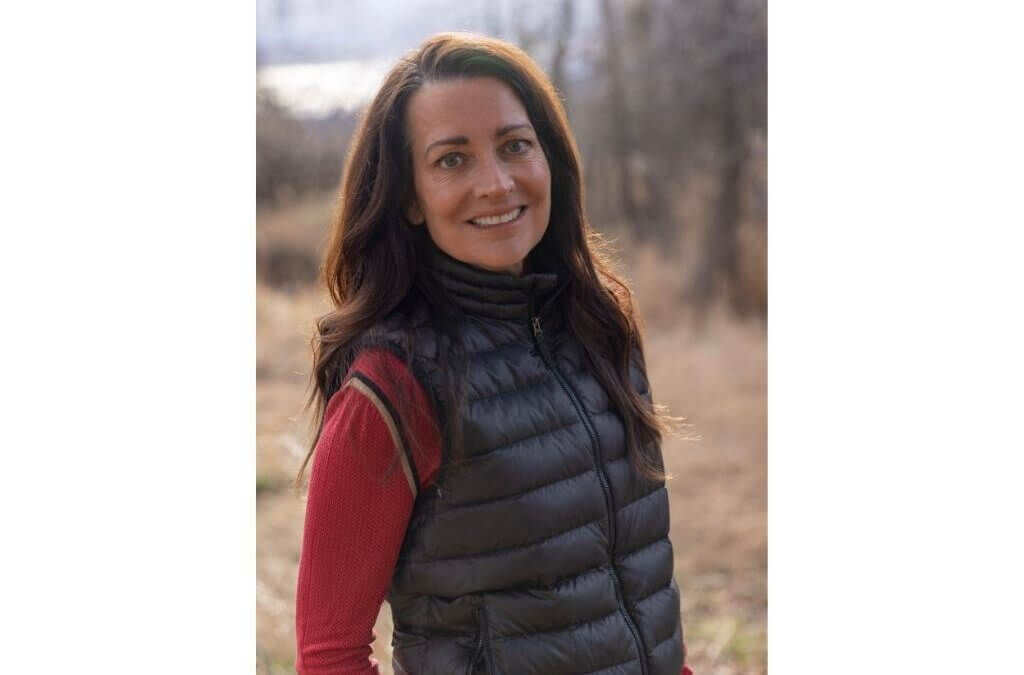
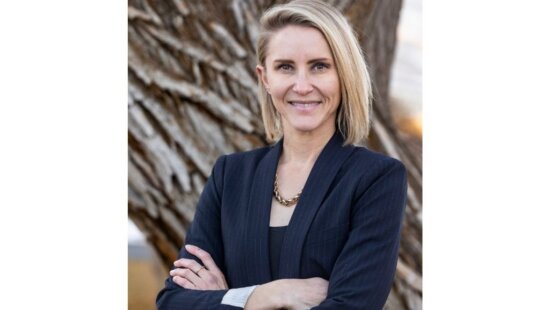
SUMMIT COUNTY, Utah — Christie Babalis is running for the Summit County Council District 4 seat with a focus on smart growth, housing, transportation, and long-term planning — issues she says will define the county’s future well beyond the next election cycle.
Babalis, an attorney and longtime District 4 resident, recently spoke with TownLift about her candidacy, which comes during the first election cycle under Summit County’s new district-based council structure.
“This is where I live. This is where I chose to raise my family,” Babalis said. “It’s such a special place, and I really hope that we can keep it special.”
Smart growth and long-term consequences
Babalis said she recognizes that Summit County will continue to grow, but believes the county needs to be more intentional about where that growth occurs and what it means for future generations.
“What smart growth means is I know we’re going to grow,” Babalis said. “I know people own land and they want to monetize their land.”
For Babalis, the key question is whether a project serves the community over the long term, not just whether it benefits a developer in the near future.
“We have to think about what this project is going to do for this community in the long term,” she said. “Not just what it’s going to do for this developer today.”
She said county leaders should be looking 20, 30, 40, and even 50 years ahead when evaluating major proposals.
“Smart growth is about thinking about that long term,” Babalis said.
Redevelop what is already built
Babalis said she sees opportunity in areas that are already developed but not being used to their full potential, including Kimball Junction and the Outlets Park City area.
“We have so many areas that are already developed that aren’t their best and highest use,” she said.
Rather than pushing growth into undeveloped land, Babalis said the county should prioritize redevelopment where roads, utilities, and other infrastructure already exist.
“We can take some of these areas where the infrastructure is already built, where taxpayers have already spent a ton of money on roads and other infrastructure, and we can make them much better than they already are,” she said.
She said that approach could allow the county to meet some growth and housing needs while preserving more open space and reducing pressure on raw land.
Housing as a traffic solution
On transportation, Babalis said the county cannot separate traffic from housing.
She said a large share of the local workforce commutes into Summit County each day because many workers cannot afford to live near their jobs.
“If we could figure out how to make this area affordable for the people that work here, that is going to have a huge impact on our traffic issues,” Babalis said.
She said redevelopment of existing commercial areas could also create more walkable community hubs, where residents can live near jobs, services, and amenities.
“If people have access to the resources and amenities they need within walking distance, they’re not going to get in their cars and travel all to the same place to get those resources,” she said.
Babalis said allowing more workers to live in Summit County is not only a transportation issue, but a community issue.
“We want the people that work here to be able to live here and raise their families here and be part of the community,” she said.
The Olympics as a preview
Babalis said the 2034 Winter Olympics could serve as both an opportunity and a preview of future pressure on Summit County’s transportation, infrastructure, and visitor systems.
Having lived in Park City during the 2002 Winter Games, she said the Olympics changed the community by raising its global profile.
“The Olympics, Vail, and COVID — those are the big three for me where I really felt massive change,” Babalis said.
She said the 2034 Games could help local leaders better understand how the county will handle increased visitor traffic, especially as local ski resorts continue to expand and attract more people.
“It’s not just all about those two weeks,” she said. “It’s about what that’s going to do for us and help us foresee issues that we might see in the future.”
Babalis said the Olympics also present an opportunity to strengthen relationships among local governments, neighboring counties, and the state.
“That’s how we’re going to get things done,” she said. “By having good relationships.”
Judgment and competing interests
Babalis points to her legal background as one of the experiences that would shape her work on the council.
She said her career has required her to make decisions with incomplete information, multiple stakeholders, competing priorities, and long-term consequences.
“The most important skill that it provides is strong judgment,” Babalis said.
She said those skills are directly relevant to county government, where leaders regularly balance growth and open space, housing and neighborhood character, tourism and resident quality of life, environmental protection and economic development, and local control and state pressure.
“Navigating competing interests is part of my getting to solutions to my clients’ problems every day,” she said.
What District 4 needs
Babalis is running for the seat currently held by Chris Robinson, who is not seeking reelection after nearly two decades on the council.
She praised Robinson’s service and said she would bring a different background to the role.
“I’ve spent 30 years living in District 4 serving this community in other ways,” Babalis said.
She said District 4 sits at the center of many of Summit County’s most pressing debates, including growth, transportation, housing, redevelopment, and open space.
Her decision to run, she said, came from a desire to serve rather than a long-standing plan to seek public office.
“If you care about your community and maybe you’re frustrated about some of the things that are happening, you can either sit back and complain, or you can step up and do something,” Babalis said. “That’s why I decided to run.”
Editor’s note: This story is part of TownLift’s 2026 election coverage. TownLift is interviewing candidates across local races to help voters better understand the people seeking public office, their priorities, and their approach to governing ahead of the June primary election.


2266 E Garfield Avenue
Salt Lake City, UT 84108