Tick surge linked to warm winters taking a toll on Wasatch moose population

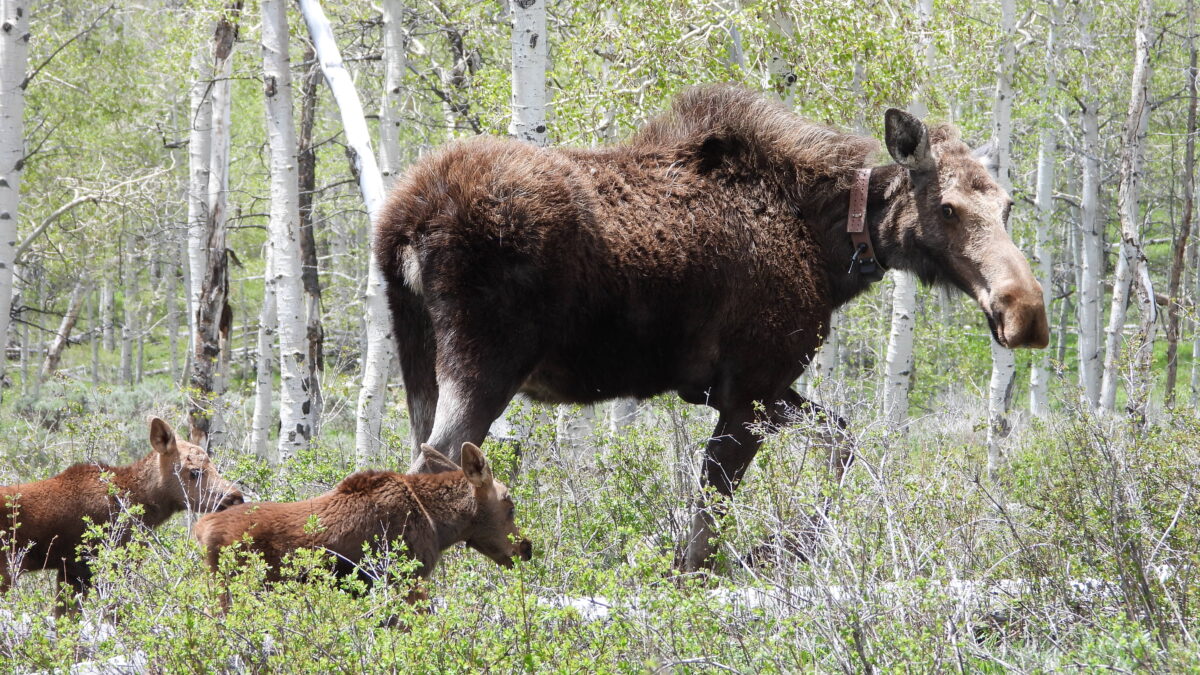
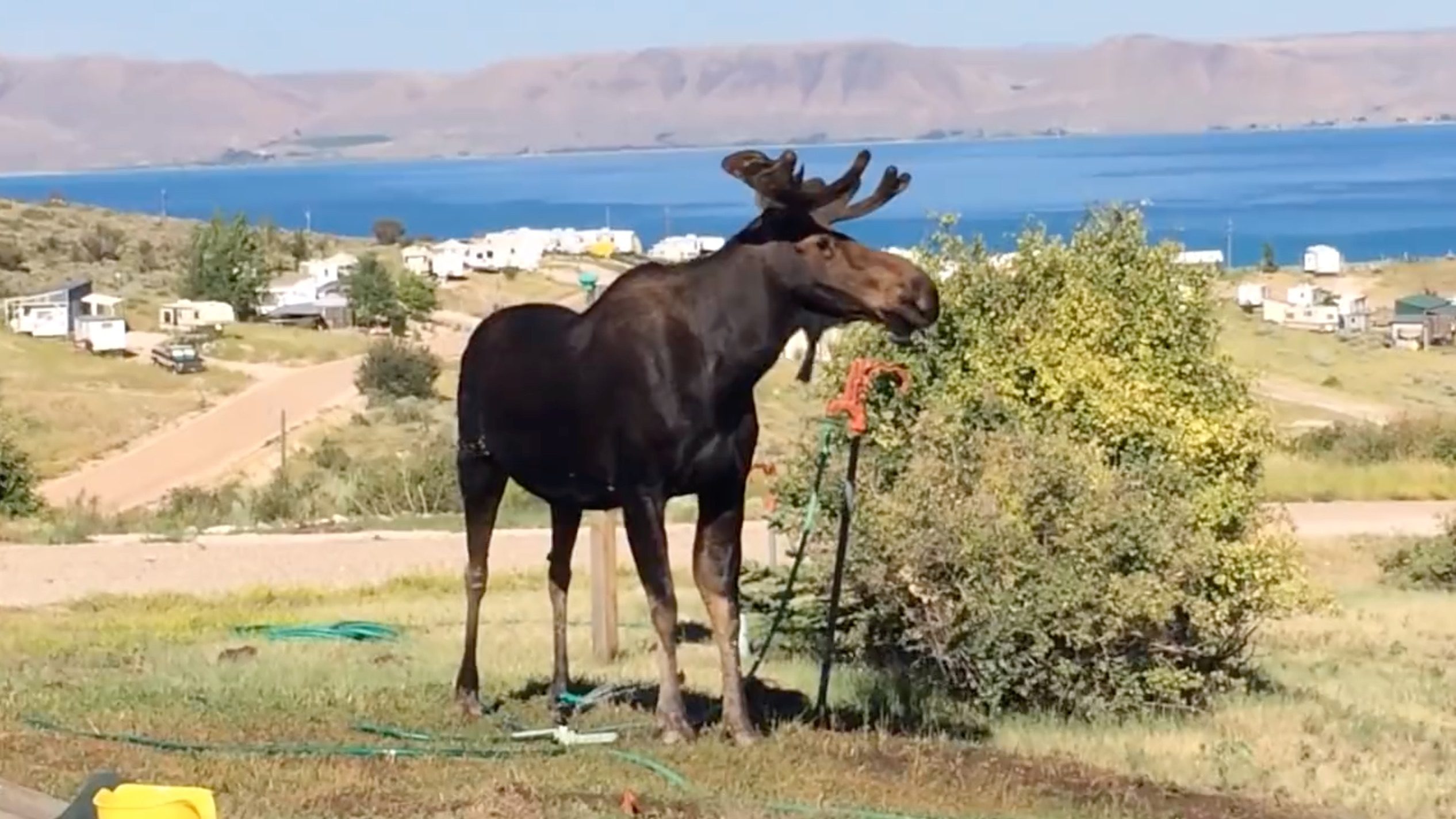
SUMMIT COUNTY, Utah — An increase in tick populations across the Wasatch is contributing to a difficult winter and spring for one of Utah’s most iconic big game animals, with wildlife officials reporting an increase of moose deaths this season linked to heavy tick loads and related stress.
Warmer temperatures and reduced snowpack are allowing more ticks to survive year-round, increasing exposure for moose across the region. According to wildlife managers, the parasites latch onto moose in the fall and begin feeding in the winter, creating increased strain at a time when moose are already operating on limited energy reserves.
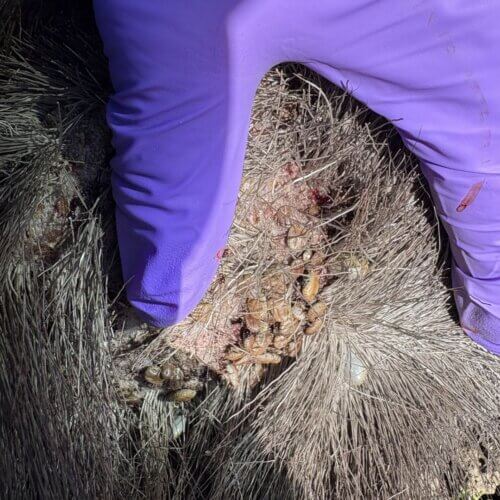
By spring, that burden can become deadly.
“You have the ticks taking the blood, causing energy loss, and then you have the extra energy needed to stay warm,” said Kent Hersey, big game projects coordinator with the Utah Department of Natural Resources. “They’re getting all of that [energy] from how much fat they were able to store going into winter. When you run out of fat, that’s when you die.”
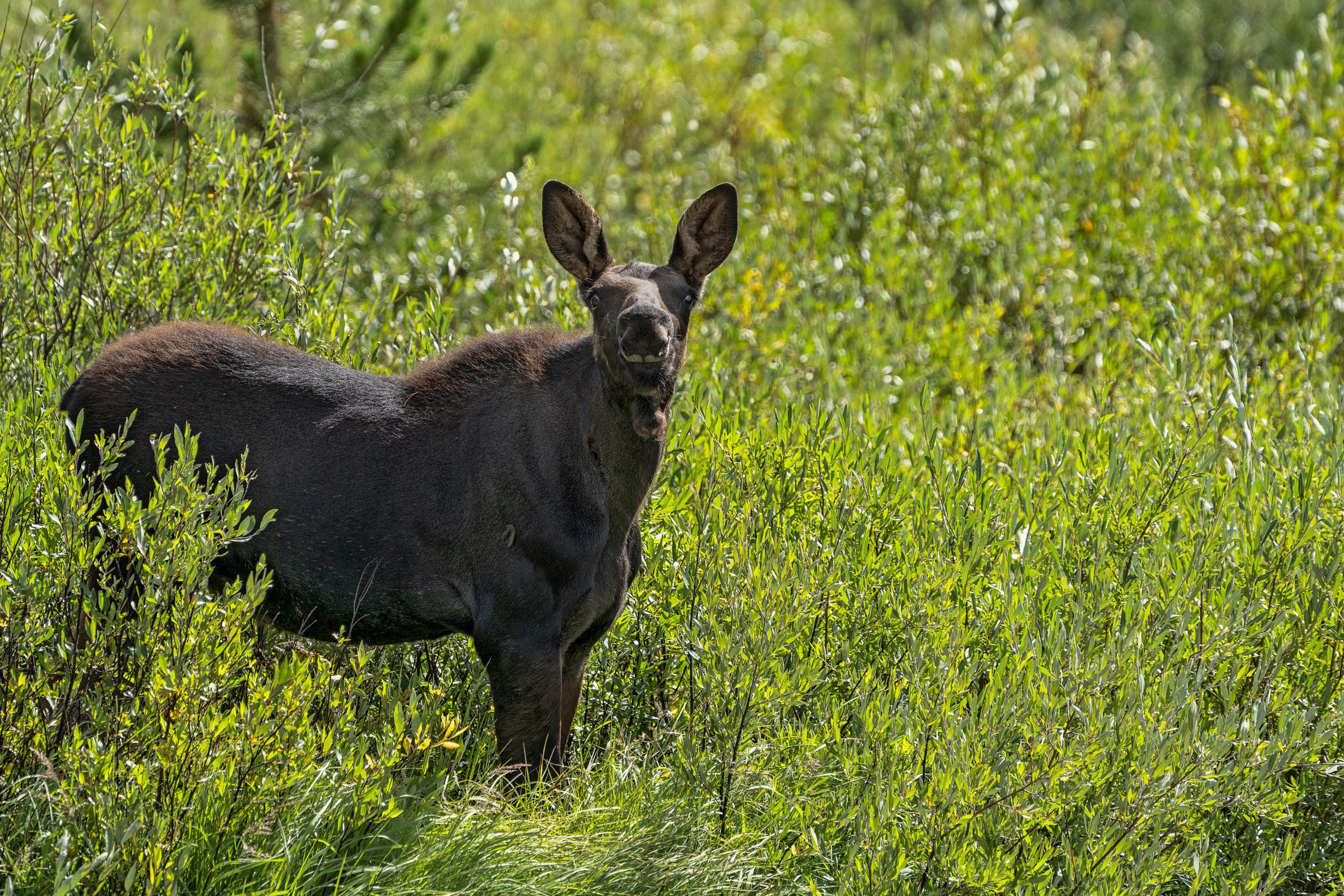
Wildlife officials say most of the reported deaths have come through March and into spring, with many cases involving calves, which have lower fat reserves and are still growing. Those younger moose are often the first to succumb when conditions are severe.
Tick population increases are often one year delayed from a warm winter. The warm winter in the 2024-25 season is the leading cause for this year’s increase. Officials worry that with the dismal 2025-26 snow-pack, the problem will only worsen next year.
While moose can typically withstand some level of parasitic load, the current combination of tick density and winter stress appears to be pushing more animals past their limits. By the time snow begins to melt, affected moose may already be severely weakened from months of blood loss and energy depletion.
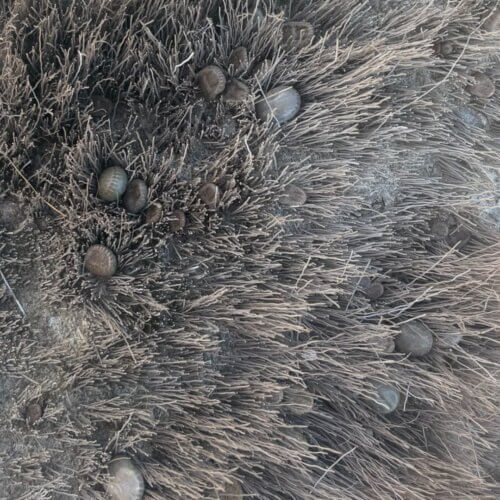
Moose also have fewer natural defenses against ticks compared to other big game species. They often attempt to rub against trees to remove parasites, but that behavior can damage their thick winter coats, further increasing energy demands as they have to work harder to stay warm.
“It’s a balancing act,” Hersey said. “They’re already trying to survive winter on stored fat, and anything that tips that balance can be critical.”
Hershey noted that 34 moose deaths have been reported in the Wasatch in the past months. Many of the deaths are not attributed solely to ticks, but tick infestations have been a consistent feature in recent mortality reports across the Wasatch Back.
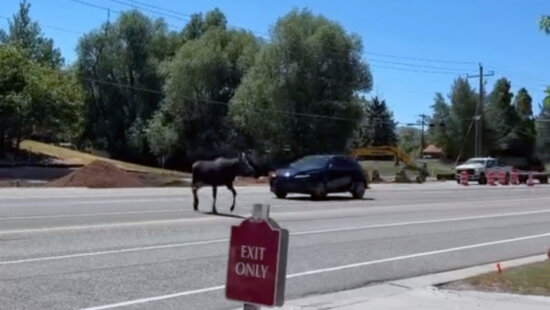
Moose behavior during late-stage stress can also vary, according to Hershey. Some animals become lethargic and less responsive, while others may become more reactive or aggressive, particularly cows with calves. That unpredictability is one reason wildlife managers continue to urge caution for hikers and outdoor users encountering moose in winter and early spring.
Even a moose that looks in poor condition can be dangerous, Hersey said. “We always advise people to keep their distance and reroute if necessary.”
Looking ahead, wildlife managers say the issue is closely tied to weather patterns, including fall frost timing and spring temperature swings that influence tick survival. While those conditions are largely beyond human control, officials are studying whether habitat conditions may play a role in exposure rates.
Hersey said researchers are also exploring whether certain elevations or habitat types correlate with higher tick loads, which could inform future habitat management strategies. Improved forage conditions, he added, may also help moose enter winter with higher fat reserves, improving their ability to withstand parasite pressure.
“Even if we can’t control ticks directly, we may be able to improve the conditions that help moose survive them,” he said.
As spring vegetation begins to return, officials hope the worst of the mortality period is coming to an end.


4251 E Lipizzan Jump
Moab, UT 84532