Local farmers encourage community support amid difficult spring growing season

PARK CITY, Utah — After an unusually warm start to spring followed by repeated cold snaps, farmers across Utah are navigating one of the more unpredictable growing seasons in recent memory.
For counties along the Wasatch Front, state officials have issued an emergency declaration after severe frosts damaged fruit crops, with apricots, sweet and tart cherries, plums, peaches, pears and apples suffering between 95% and 100% loss in multiple counties.
But growers in the Wasatch Back say they are facing their own set of challenges from fluctuating temperatures and drought concerns.
Unpredictable spring season
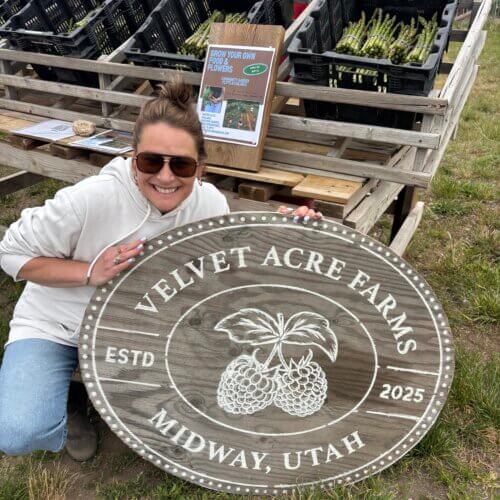
At Velvet Acre Farms in Midway, farm manager Jacee Andersen said the season has already brought crop losses and operational headaches as farmers try to adapt to weather swinging between early heat and hard freezes.
“We all kind of were anticipating a dry drought this year just due to the snowpack,” Andersen said. “A lot of the crops we picked are drought- and heat-tolerant, but then we still got these late freezes.”
Andersen, a Midway native now in her fourth farming season, previously worked on a market farm in Wanship before taking over operations this year at Velvet Acre. She said high-elevation farming in the Wasatch Back already comes with a narrow growing window, where growers often expect freezing temperatures into June.
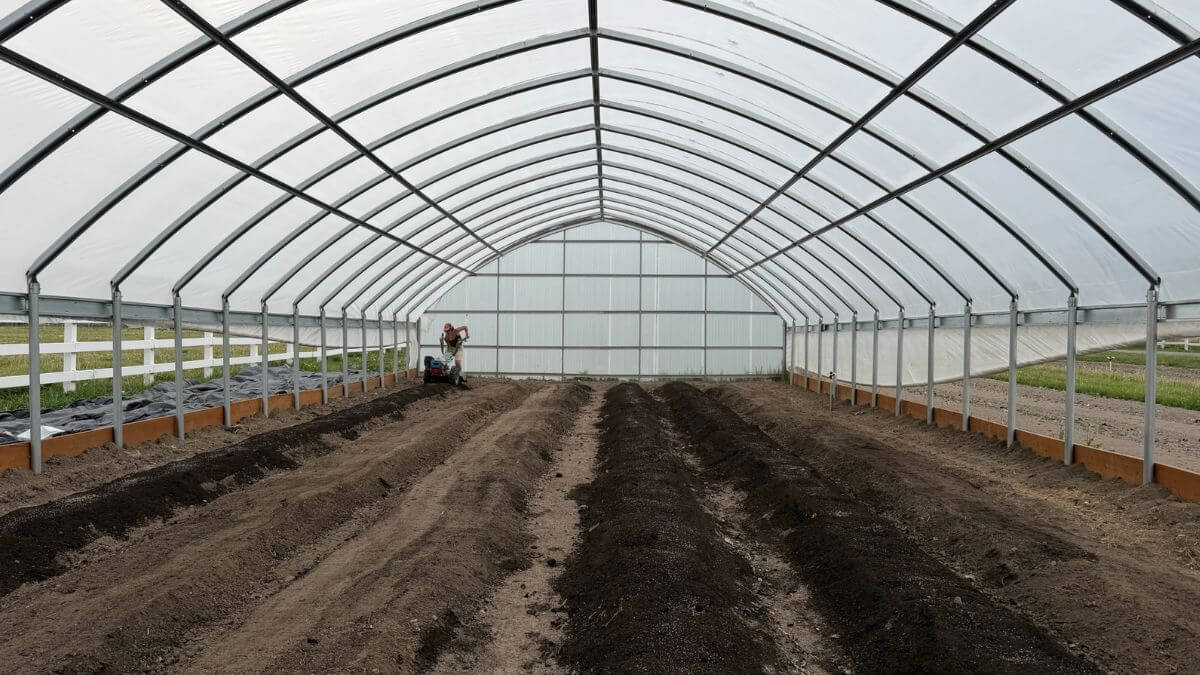
“In this growing hardiness zone, the average last freeze date is June 11,” she said. “Even with the hot early heat and we’re all really giddy to get things out, if you don’t have a high tunnel and heated tunnel space, you really have to watch the weather.”
One of the farm’s biggest concerns this spring has been asparagus production. Velvet Acre’s roughly mile-long asparagus rows emerged nearly six weeks earlier than normal during warm weather, only to be hit by multiple frosts afterward.
The perennial crop is expected to survive, but the freezes damaged emerging spears and reduced yields, making it harder for the farm to meet restaurant orders consistently.
“Usually it’ll come on and make it through,” she said. “We’ve definitely dealt with yield loss.”
Water and irrigation management
The temperature swings have also complicated irrigation management. Velvet Acre uses buried PVC irrigation infrastructure that is vulnerable to freezing and expensive to repair when pipes burst.
“The water turned on early, but it doesn’t necessarily mean we can use the water because we know there are going to be late freezes that will burst the pipes,” Jacee said.
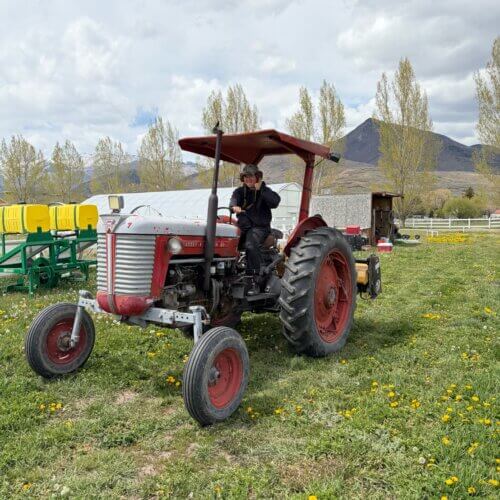
Now, the farm is preparing to test its system for damage after spending weeks draining lines and trying to prevent breaks.
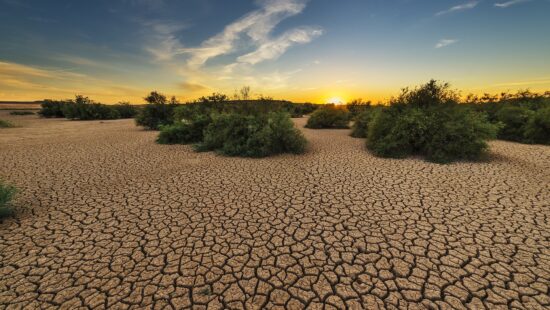
Beyond spring frosts, many growers are also watching water supplies closely after a below-average snowpack year. Jacee said farmers are concerned irrigation water could be shut off earlier than normal later this season if drought conditions worsen, potentially limiting fall planting.
“We’re all a little worried about the water shutting off early, so we might not be able to fit in fall crops,” she said.
Despite the difficult conditions, Andersen said many small-scale growers are leaning on regenerative farming practices to build resilience against climate extremes. Techniques such as crop diversity, soil amendments, and reduced chemical use can improve water retention and help crops tolerate temperature swings.
“When you focus on your soil, it holds water better, so you’re not watering as much,” she said. “That soil will help the crop actually be more resilient against those high heat and light frosts.”
Community Supported Agriculture
Andersen said Utah’s farming community has also become an important support network during difficult seasons. Through organizations like the Red Acre Center and its farmer guild meetings, growers regularly share advice, visit each other’s farms and discuss challenges ranging from climate conditions to legislation.
“I would say the Utah farm sphere is super supportive,” she said. “Our intention is to see how many people we can feed and how much land we can steward sustainably.”
As unpredictable weather continues, Andersen said community support will be critical for local farms trying to absorb losses and continue operating this growing season.
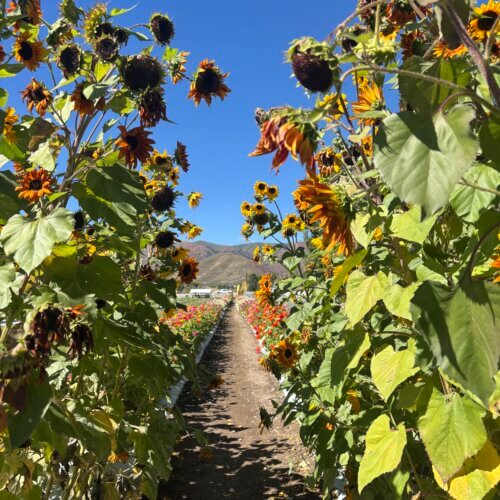
“I would say this season is probably the most important season to support your farmers,” she said.
She encouraged residents to shop at farmers markets and consider purchasing CSA, or community supported agriculture, memberships, which provide farms with early-season revenue in exchange for weekly produce boxes later in the year.
“That gives the farmer upfront costs, especially in the spring when things aren’t really rolling yet,” she said.
Andersen said she’s still optimistic, despite the tough start and uncertain outlook. She’s seen difficult seasons force farmers to innovate and collaborate in new ways, and find solutions to new and ongoing challenges.
“I think this season is really going to push farmers to be creative,” she said. “It kind of takes a village.”


2266 E Garfield Avenue
Salt Lake City, UT 84108