Canines With a Cause pairs rescue dogs with veterans working through trauma

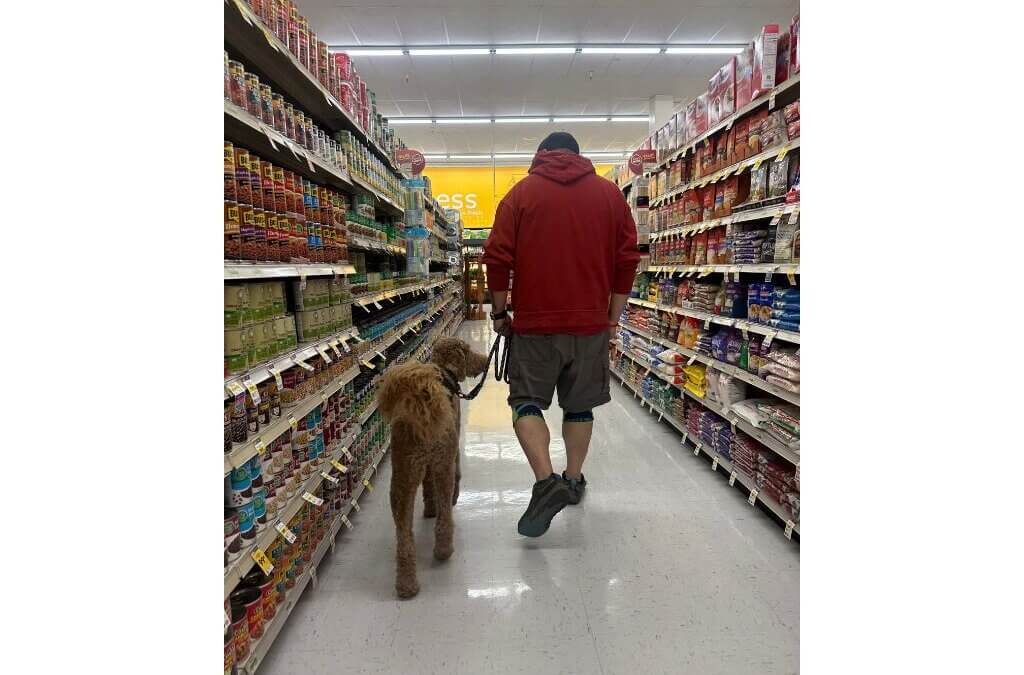
The Utah nonprofit helps veterans train psychiatric service dogs while giving shelter dogs a second chance
PARK CITY, Utah — Canines With a Cause began with two urgent needs: shelter dogs looking for homes and veterans returning from service with invisible wounds.
Fifteen years later, the Utah nonprofit continues to bring those needs together by pairing rescued dogs with veterans affected by PTSD, traumatic brain injuries, and military sexual trauma, then helping them train as psychiatric service dog teams.
“Canines With a Cause pairs rescue dogs with veterans affected by post-traumatic stress disorder, traumatic brain injuries, and military sexual trauma, and we offer complimentary personalized training for those dogs to become psychiatric service dog teams,” said Harleigh Poulson, CPDT-KA, lead dog trainer and director of dog programs.
The organization traces its roots to 2010, when it began as an animal-assisted therapy program at Friends of Animals Utah, now known as Nuzzles & Co., in Summit County. Canines With a Cause became an independent nonprofit in 2011.
Poulson said the idea grew out of a moment when many service members were returning from active duty, and the mental health crisis among veterans was increasingly visible.
“Our executive director just saw the need for veterans with mental health crises at the time and rescue dogs,” Poulson said. “She just saw the two visions, brought them together, and that’s kind of how we got started.”
The program does not simply hand a fully trained service dog to a veteran. Instead, Canines With a Cause rescues and evaluates dogs, places them with veterans, and then guides the veteran-dog teams through a training process that can take up to two years.
That structure is intentional.
Poulson said some veterans entering the program are struggling to leave home, enter public spaces, or re-engage with everyday routines. Weekly classes create a steady, supported way to begin that process.
“Just giving them a dog doesn’t necessarily help them get out of the house,” Poulson said. “First is coming to class. They’re coming to class with other veterans. They know the space, and then we slowly build up to outings, which just kind of helps them reintegrate into society.”
Veterans attend weekly classes and train outside of class. The curriculum includes general manners, leash walking, ignoring distractions, public outings, and task training. According to the organization’s website, teams complete hundreds of hours of training across multiple levels and certification tests before a dog is considered a service dog.
The work is built around positive reinforcement. Poulson said trainers do not use physical or verbal corrections, prong collars, or shock collars.
“Instead, we focus on setting the dogs up for success, redirecting behaviors instead of punishing them, teaching the dogs what we want them to do instead of punishing them for making mistakes,” she said.
The tasks each dog learns are tailored to the veteran’s needs. Some dogs are trained to wake a person from nightmares, retrieve emergency medication, interrupt self-harm behaviors, remind a handler to take medication, provide deep pressure therapy, create a buffer in crowds, or guide a handler toward an exit.
“A task is what makes service dogs different from emotional support dogs or pet dogs,” Poulson said. “These are special behaviors that the dog learns that help mitigate their symptoms of a disability.”
Poulson said one veteran in the program, a former Air Force member who had a stroke and lives with limited mobility, PTSD, and a traumatic brain injury, began changing parts of his daily life after being paired with a dog. He started taking swimming classes to regain strength and spent more time outside walking with his dog.
“They’re not even through the program yet,” Poulson said. “And just seeing how having this dog in his life, and something that he’s working toward with his dog as a team, can inspire him in other areas of his life, which is amazing.”
Another graduate, Poulson said, had struggled to attend college classes because crowds and campus environments were difficult to manage after military service. Her service dog now helps her get to class, remain in class, and continue pursuing the technical degree she joined the military to help fund.
For Poulson, the work is both professional and personal. She began training dogs in high school through Guide Dogs for the Blind and later became a professional dog trainer. Her younger brother died by suicide in 2022, a loss that deepened her commitment to psychiatric service dog work.
“Just the mission of helping people with psychiatric disabilities, trying to prevent suicide, is really meaningful,” Poulson said. “Not only because I get to work with dogs every single day, I get to rescue dogs and pair them with people, but I get to help people who are in a similar position to my brother, mental health-wise.”
Beyond its veterans program, Canines With a Cause offers community outreach programs, including free drop-in dog training classes at its Holladay training center on Tuesday evenings and free QPR suicide prevention gatekeeper training.
QPR stands for Question, Persuade, Refer. The training teaches participants how to recognize suicide warning signs, approach difficult conversations, and connect people in crisis with help.
“Our main focus is definitely the veterans and the dogs,” Poulson said. “But we do some other stuff too.”
Veterans are commonly referred to Canines With a Cause through therapists and counselors at the VA, Poulson said, though others find the organization online, through community events, or by word of mouth.
For the dogs, the work begins with a temperament evaluation to determine whether they are suited for public service work. Some dogs enter the organization’s Paw Squad foster program for early training before being matched with a veteran.
The model, Poulson said, is about more than obedience. It is about relationship, purpose, and rebuilding trust — for both ends of the leash.
“Having a dog that allows you to go out in public is life-changing,” she said.